Utah Stories

Tuition Free Classes for Seniors

Seniors at the U

|


Overview_of_class_of_Senior_Citizens_write_Wikipedia_in_MLP,_2014-11-04If you are over 62, read this story.

If you know someone over 62, read this story.

In fact, everyone should read this story, because it is about HB 60, one of the best laws ever passed by the Utah legislature. HB 60 allows seniors over 62 (yeah, it is confusing) to attend classes at state-sponsored universities and community colleges for only a $25 registration fee.  That is $25 per semester, not per class. No prior degree or educational background is needed.

The law, passed in 1977, recognizes that learning never ends. It allows seniors to audit classes and learn in an environment free from the pressure of grades. “Art appreciation, foreign languages… when you check out the class schedule, it is unbelievable what you can discover,” said registration representative Brad Blake.

I crossed the magic threshold myself last year and was intrigued to take a class about Greek mythology at the U of U. I spent three months experiencing the joy of pure learning. An added benefit was realizing the high intelligence of the undergrads. I felt my social security benefits were in good hands.

The Greek myth class took place in a large lecture hall, so registration was easy. For a senior to attend, a class must have extra space available. Specialized programs such as pottery may require additional material fees. Graduate-level classes are also possible, but would need professor approval.

Seniors may register for fall, spring and summer sessions, and can choose their classes from the university catalog. The 2016 fall semester signup begins August 16th and continues to September 2nd. One must show up in person to room 1185 in building annex “A.” Building A is in the gray-sided complex immediately east of the Jon M. Huntsman Center, where basketball is played.

An average of 150 seniors apply per semester. This is such a good deal that an exponent should be applied to that number. What’s an exponent? Take a math class and find out.

Info on available classes can be found at University of Utah Fall 2016 class schedule. 



Join our newsletter.
Stay informed.


  • The Utah Farm That Refuses to Give Up as Development Closes In

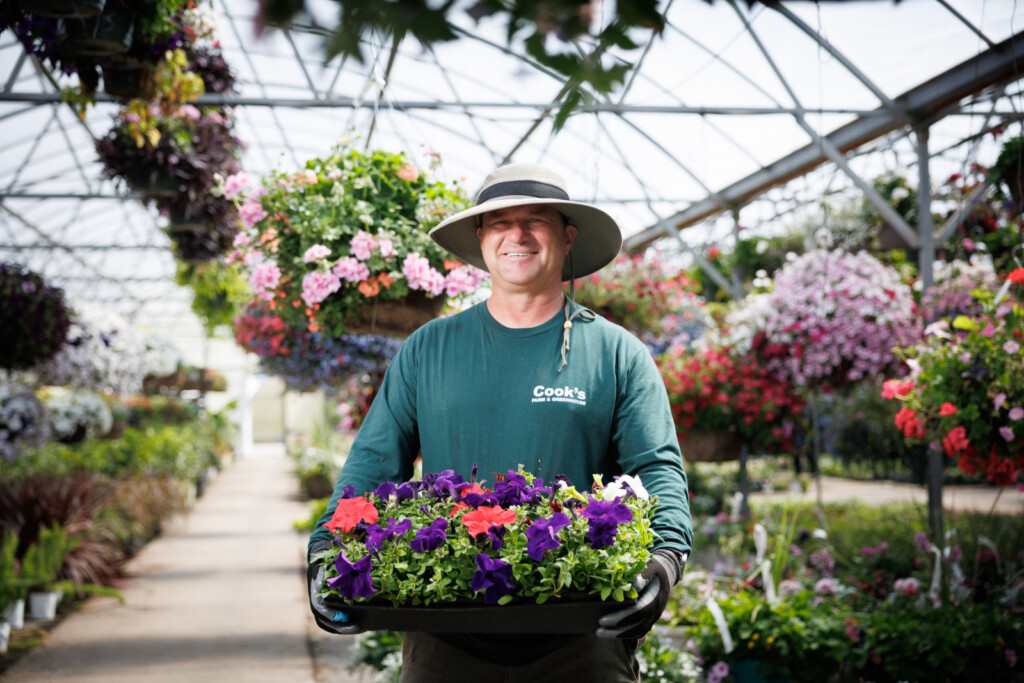
    Running a farm is hard enough, but rapid city growth makes it even tougher. More than a decade ago, the late Verl Cook faced a series of staggering hurdles that threatened to wipe out his family’s livelihood.

    First, the city decided to treat the Cook’s greenhouse — the most profitable part of the farm — like a big-box retail store. They demanded the family build a paved parking lot, a project that would cost $200,000.


  • Future Craft Farm Launches First CSA Season in Salt Lake City

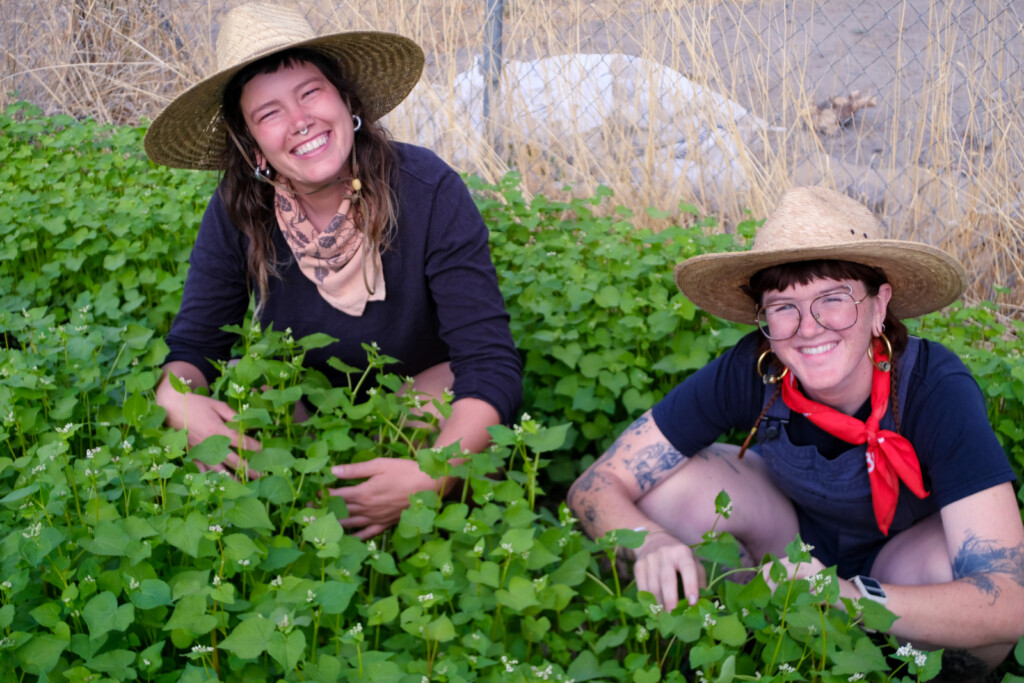
    Hall and Scheig found their land last June and broke ground just two months later, transforming what was essentially a blank canvas into a diversified market garden. This year marks their first full growing season, and they’re launching it with a community supported agriculture program, or CSA. CSAs allow people to support local growers by purchasing a season’s worth of produce upfront, giving farmers the financial stability they need during the most expensive part of the year.


  • A Perfect Night in Downtown Salt Lake City: Little America, Beerhive, and STK

    Staycations in one’s own town always sounded to me like something old, feeble, and tired couples do. For younger people, adventure has always seemed to inhabit the other side of the fence, right alongside the greener grass.

    But sometimes extreme situations call for extreme measures.


  • Farm-to-Table in Utah: Why More People Want to Know Where Their Food Comes From

    When was the last time you plucked a chicken? How about threshing wheat or milking a cow? For most people today, the answer is never. What used to be a daily survival skill has slipped into the history books, while farmers, ranchers, and a multitude of other hands continue to prepare, package, and produce the food we buy at the grocery store.