Utah Stories

Stone Cold Cryotherapy

Chill Out! Heal Your Aches and Pains With This New, Breathtaking Subzero Therapy

|


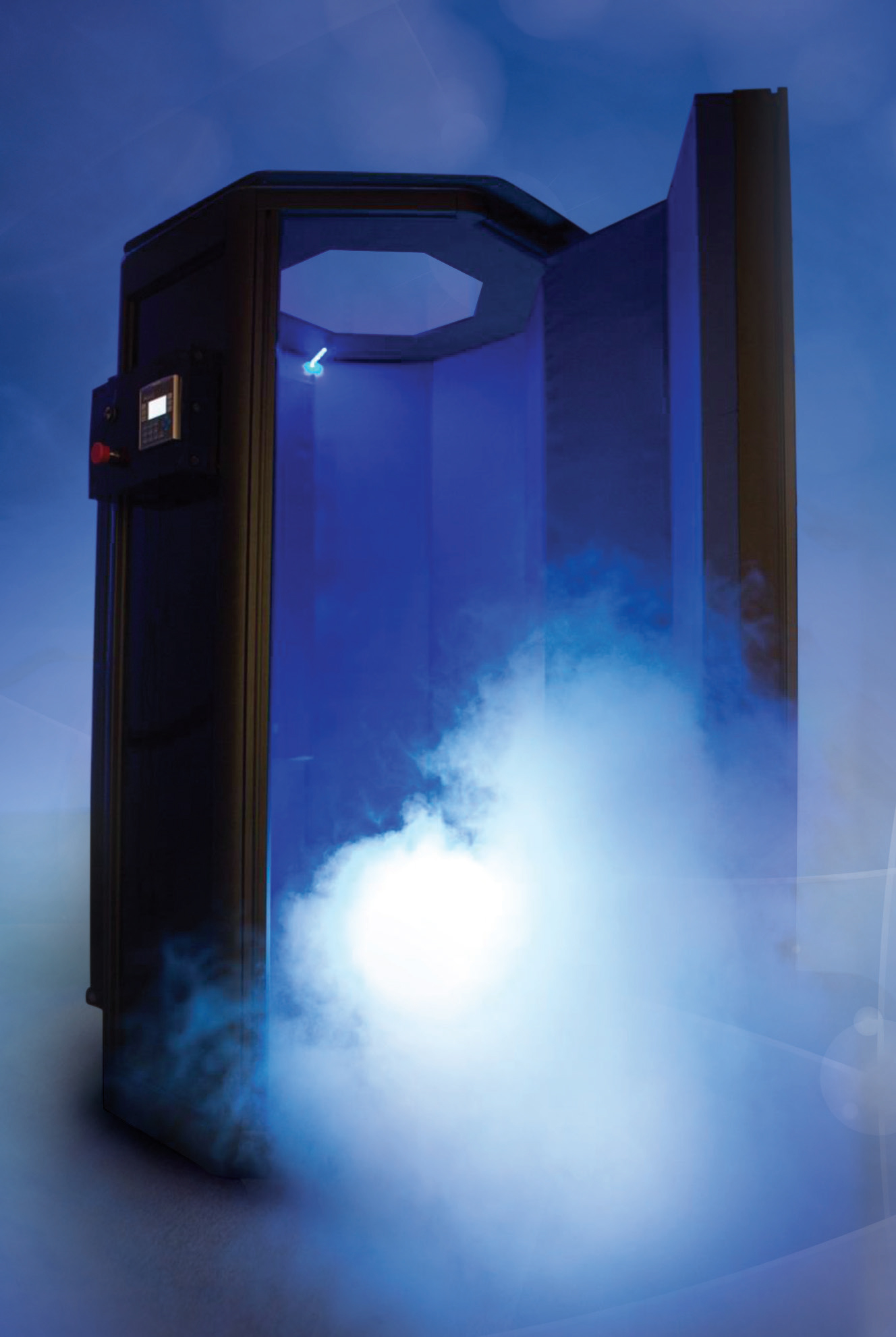
machine-with-background
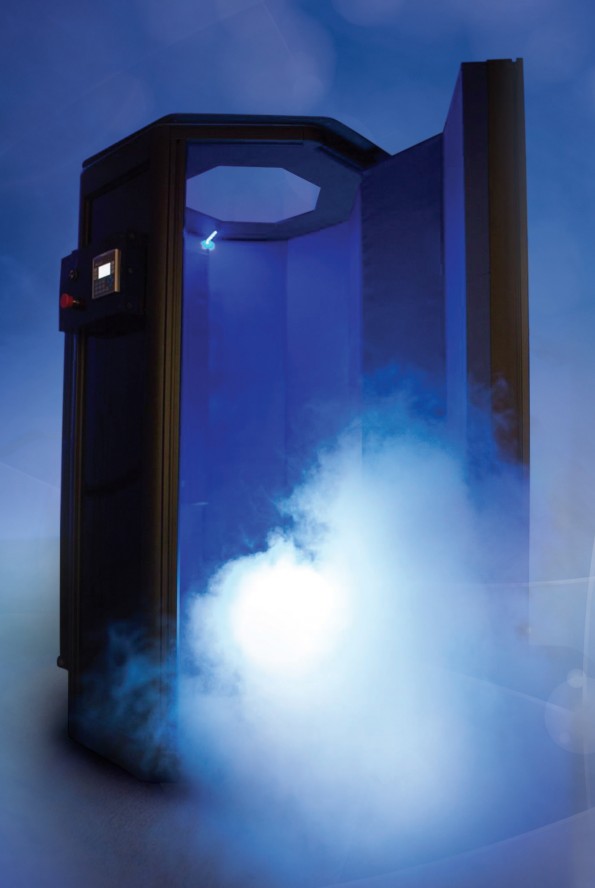
Metallic pod used in cryotherapy is able to cool to -300 Fahrenheit

In a December 2015 Denver Broncos special, ESPN highlighted one of the team’s  secret weapons that may have helped them capture their Superbowl victoryTheir advantage? Whole body cryotherapy (WBC), a treatment that utilizes subzero temperatures to manage pain and speed recovery. 

Although most who dwell in the Rocky Mountain States have grown accustomed to cold winter temperatures, WBC takes cold to mesospheric levels. In other words, nearly 200 degrees colder than anywhere on our planet!

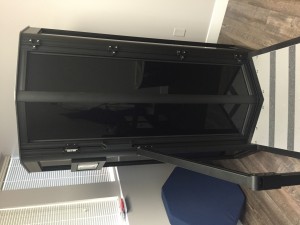
The polar opposite of a sauna, cryotherapy is conducted in a metallic pod, using liquid nitrogen to lower the temperature to a breathtaking  (literally) -300 degrees Fahrenheit.IMG_4926
Whereas heat therapy increases tissue elasticity and stimulates sensory receptors to ease muscle and joint stiffness, this dramatic and rapid freezing effect triggers the body’s “fight-or-flight” response, spiking endorphin levels and decreasing symptomatic pain.

Cryotherapy began during the late-1970s in Japan as a non-invasive pain procedure and since has became widely popular in Europe. Recently, cryotherapy centers began crystallizing in the US. While elite Utah athletes such as Darren Williams and Stevenson Sylvester note the therapy’s benefits, the availability of this alternative treatment in our our desert state had been high and dry.

That is until 2014, when TJ Berry and Jeff Jerman opened Stone Cold Cryotherapy in South Ogden. “Fracturing my back in a 2008 snowboarding accident left me with pain and discomfort ever since, and cryotherapy has been my saving grace,” says Berry.

“I owned a marketing company before Stone Cold. My background is in business, and realizing the potential in the untouched Utah market was enough to push me over the edge,” continues Berry.

Sessions lasts only three minutes, but continual treatment has been shown to help alleviate inflammatory conditions and decrease pain on a variety of frozen fronts, including Arthritis, multiple sclerosis and fibromyalgia. It’s even been shown to boost overall mood levels and the immune system.

“When the body goes into this emergency mode, it pulls more blood into its core,” explains manager Ty Kenny. “Constricted blood vessels then dilate and the blood expands, taking with it endorphins and anti-inflammatory agents.”

The recovery center focuses mostly on aches and pains as well as athletic recuperation, and evidence suggests that sessions can cut athletic recovery time in half. “Last year, we got a lot of runners from the Ogden marathon,” notes Kenny. He goes on to boast that a single session can result in an increased daily metabolism, and a caloric expenditure of 500-800 calories.

Several local athletes and trainers have found the new treatment hugely beneficial. Katherine Hristou has been a powerlifter for 36 years and has seen her share of training-related injuries. “I’ve definitely noticed a difference in my pain levels and in helping me to recover,” she insists.
IMG_4942
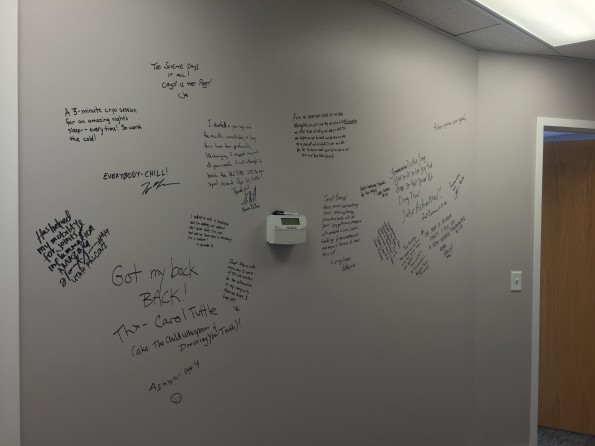
Grateful graffiti left on the walls at Stone Cold Cryotherapy

Other clients have noted that for the first time in a long time, they no longer feel joint pain at night and have been able to sleep better. It should be noted though that the treatment is not recommended for women who are pregnant or those with heart conditions.

Stone Cold has recently expanded into Draper and plans to open locations statewide

Stone Cold Cryotherapy is located at 1865 E. Skyline Drive, South Ogden, and 12176 S 1000 E #1, Draper.

 

Join our newsletter.
Stay informed.


  • Highway 6 and the Midland Trail: Utah’s Transcontinental Highway History

    From Price Canyon to Delta’s desert stretch, Utah played a central role in building the Midland Trail, one of America’s earliest transcontinental highways and the foundation of today’s Highway 6.


  • Utah Acquires US Magnesium Assets in $30M Deal to Protect the Great Salt Lake

    Utah leaders announced the state has successfully won the bid to acquire key assets of the defunct US Magnesium facility on the Great Salt Lake, including its associated water rights and property.


  • Whiskey, Bullets & a Buried Town: Archaeologists Reveal Alta’s Wild Past

    Before Alta was known for powder days and lift lines, it was a silver mining town clinging to the side of a narrow canyon. In the late 1800s, men lived at 8,000 feet, went underground each day, and endured winters that regularly buried buildings in snow. This past summer, that mining town resurfaced — literally — during construction at the Alta Ski Area.

    To understand what Alta really looked like, you don’t begin with legend. You begin with its trash — and this time, that happened almost by accident.

    Alta Ski Area was installing underground water reservoirs to support snowmaking. Because the project sits on Uinta-Wasatch-Cache National Forest land, an archaeologist was required to monitor the excavation. No one expected the trench to produce much.

    But, It did.

    Artifacts began surfacing almost immediately. Enough that the Forest Service contacted the Utah State Historic Preservation Office for help. Lexi Little, who coordinates the Utah Cultural Site Stewardship Program, helped mobilize nearly 30 volunteers to assist with what quickly became a focused two-week excavation.

    Winter deadlines were approaching. The pipes for the reservoirs had to go in the ground. There wasn’t time for a slow, extended dig.

    “It was two weeks of digging in the dirt and helping figure out exactly what we were looking at,” Little said.

    Most of the people screening soil weren’t professional archaeologists. They were trained stewards from around Utah — part of a statewide volunteer network that now approaches 500 people. They poured dirt through shaker screens, scanning for fragments that could piece together a town long buried.

    “Archaeology is human trash,” Little explained. “Archaeologists are very into trash.”

    Alta had left plenty behind.

    https://youtu.be/hzIHzx3OGoo?si=dKcl2CEz-t6FZzYw

    Victorian-style ceramics appeared first — the kind typically used in hotels. Medicine bottles followed. Ink bottles. Hand-blown glass. A porcelain doll’s foot surfaced from the soil, a small detail that shifted the mental image of the town. Families were here. Children were here. This wasn’t only a camp of miners.

    The bottles helped establish time. Manufacturing details — whether glass was hand-blown or mold-made, whether a maker’s mark appeared on the base — allowed archaeologists to date many of the artifacts to the 1870s through the 1890s, when Alta was booming as a silver mining town.

    “That gives you that range of dates for when Alta was really booming,” Little said.

    One reusable soda bottle clearly stamped “Salt Lake City” connected the canyon to the valley economy below.

    Then something unusual rolled out of a dirt pile.

    A corked bottle. Intact. Liquid still inside.

    To access this post, you must purchase Utah Stories (Digital + Print) or 3 month free trial (Digital).


  • The Only Full Bottle of Alcohol Ever Found in Utah Was Unearthed in Alta

    When a backhoe rolled a corked bottle out of the dirt at Alta this summer, no one immediately grasped what they were holding. It wasn’t empty. It wasn’t shattered. It was full. “The bottle that was discovered up at Alta is the only bottle of alcohol ever discovered in an archaeological excavation in the state…