Utah Stories

Hidden Utah – Camping Off the Beaten Path

Utah is one of the best states for finding solitude, but where can experienced travelers go when popular camping destinations are packed? Find out more!

|


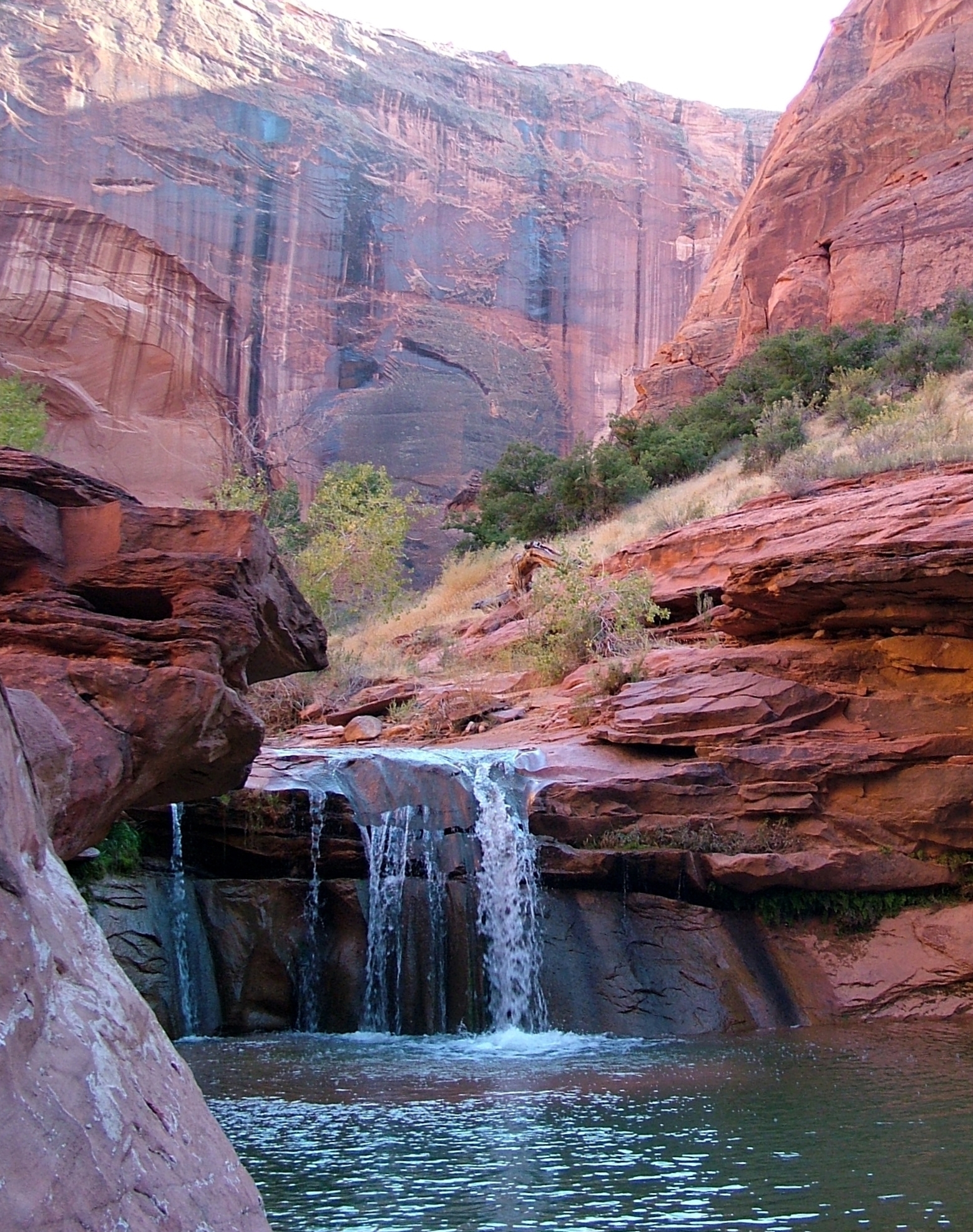
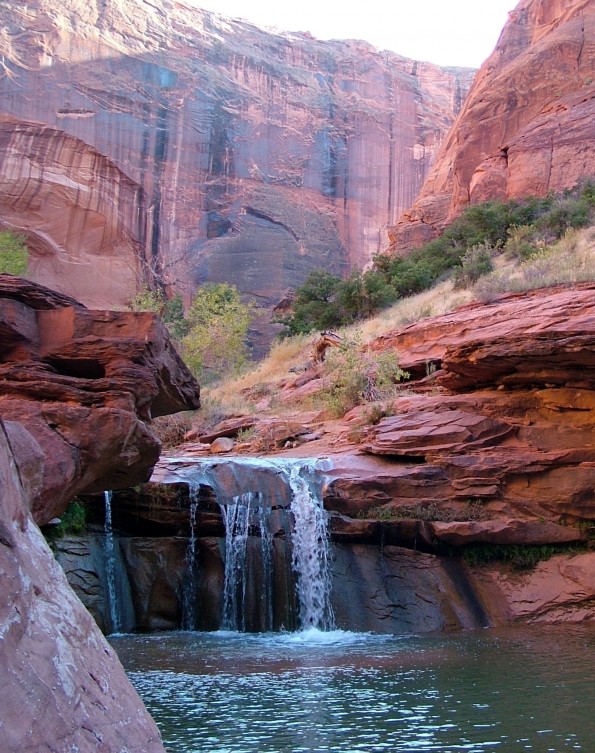
Coyote Gulch Waterfall 2
Coyote Gulch Waterfall. Photos by David Jensen

Utah is a mecca for hikers, campers, and nature lovers who want to leave the daily grind behind.

Off the beaten path, where neon Vacancy signs and RV hookups beckon less intrepid travelers, lies a treasure trove of secluded hideaways where you can escape from civilization for as long as you choose. Whatever your getaway preferences are, from alpine peaks to desert canyons, Utah’s unique geography offers a haven for outdoor enthusiasts seeking solitude.

There are a million places in Utah to call your own, and finding your own secret place is half the fun. Here are some of our favorite places to get away from it all:


San Rafael Swell
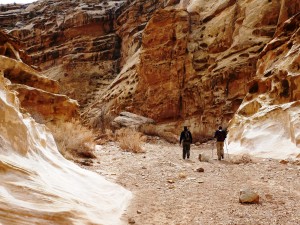
Hiking Crack Canyon (San Rafael Swell)
Crack Canyon – San Rafael Swell

One of Utah’s most primitive and alluring landscapes is the San Rafael Swell. Tucked amongst the chasms, grottos and canyons of this desert paradise are a million places to lose yourself. The Swell an immense anticline of undulating stone that offers welcome solitude and clandestine adventure.

Not far from Goblin Valley State Park is Crack Canyon. Like dozens of other slot canyons in the Swell, Crack’s curvy sandstone walls heave and ripple like a giant snake, wending its way through a labyrinth landscape that is equal parts beautiful and foreboding. With walls that look like giant slabs of Swiss cheese, the canyon alternately broadens and narrows, constricting and widening, falling 700 vertical feet over its 2½ mile length. Chockstones and drop-offs ensure that it isn’t a walk in the park, and a lone hiker may have difficulty ascending some of these obstacles on their own, so you may want to bring a friend and a rope. Never hike a slot canyon if there’s a chance of rain.

With the possible exception of holiday weekends, you can very likely have Crack Canyon or dozens of other amazing places in the Swell all to yourself. This canyon and others like it are Wilderness Study Areas where camping is not allowed, but campsites, both primitive and developed, are plentiful elsewhere on BLM land.


Grand Staircase-Escalante National Monument

To gaze across the seemingly barren moonscape of the Kaiparowits Plateau belies the fact that some of Utah’s most stunning desert hideaways lie concealed within deep canyons carved by tributaries of the Escalante and Colorado Rivers. Canyons like Egypt, Davis Gulch, Harris Gulch, Coyote Gulch, Fiftymile Creek and others are perpetual oases, offering backpackers ready sources of water from perennial streams that flow through canyons so verdant and lush you’ll forget you’re in a desert. In many places, the streambed is the trail.

Once home to the Fremont and Anasazi cultures, these Canyons of the Escalante are rich in Native American art and artifacts. The intrepid young vagabond, Everett Ruess, wandered many of these same canyons more than 80 years ago, prior to his disappearance in Davis Gulch in 1934.

Hiking in the footsteps of ancient civilizations will cause you to reflect on their harsh existence in a land of extreme seasons and difficult terrain, but today’s hikers will savor every step. Backpackers can sleep in tranquil grottos of Navajo sandstone or whispering groves of cottonwood trees, then fill water bottles from dripping springs and mossy gardens that cling to orange rock walls 200 feet high.

Coyote Gulch is one of Utah’s premier hiking destinations. If it’s solitude you’re after, avoid going there on holiday weekends. Always check weather conditions and never hike alone.

Other places to explore in Utah include Greater Canyonlands, Glen Canyon Recreation Area, the Uinta and Deep Creek Mountains, Utah’s 5 national parks, 12 national forests and 40 state parks. Every dirt road leads to adventure, and tent camping is legal on thousands of acres of public land.

We’ve given you some suggestions, now go out there and find your own retreat. Wherever you find yourself, use the “No Trace” ethic: Stay on trails, clean up your fire rings, pack out what you pack in, leave features and artifacts as you found them, and pick up after others who aren’t as considerate. After all, your secret place may be someone else’s hidden rendezvous, too.
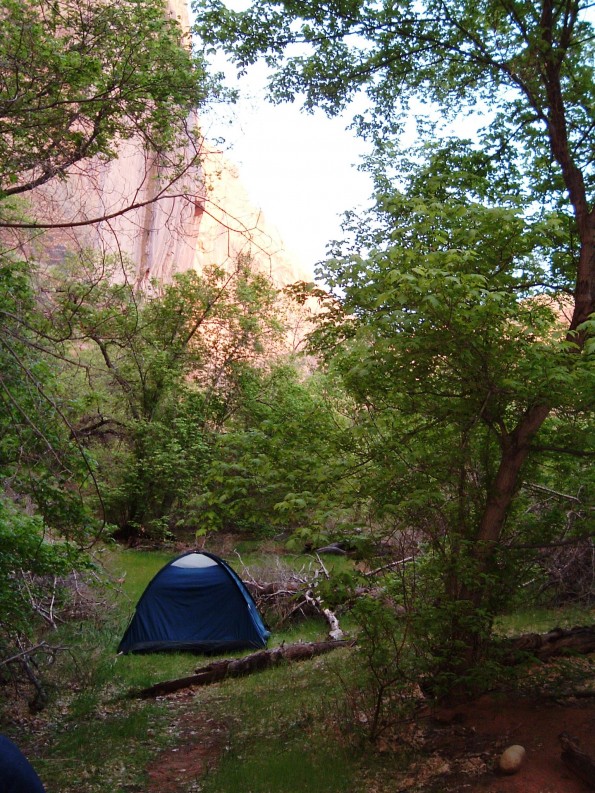

Desert Canyon Campsite


Join our newsletter.
Stay informed.


  • Whiskey, Bullets & a Buried Town: Archaeologists Reveal Alta’s Wild Past

    Before Alta was known for powder days and lift lines, it was a silver mining town clinging to the side of a narrow canyon. In the late 1800s, men lived at 8,000 feet, went underground each day, and endured winters that regularly buried buildings in snow. This past summer, that mining town resurfaced — literally — during construction at the Alta Ski Area.

    To understand what Alta really looked like, you don’t begin with legend. You begin with its trash — and this time, that happened almost by accident.

    Alta Ski Area was installing underground water reservoirs to support snowmaking. Because the project sits on Uinta-Wasatch-Cache National Forest land, an archaeologist was required to monitor the excavation. No one expected the trench to produce much.

    But, It did.

    Artifacts began surfacing almost immediately. Enough that the Forest Service contacted the Utah State Historic Preservation Office for help. Lexi Little, who coordinates the Utah Cultural Site Stewardship Program, helped mobilize nearly 30 volunteers to assist with what quickly became a focused two-week excavation.

    Winter deadlines were approaching. The pipes for the reservoirs had to go in the ground. There wasn’t time for a slow, extended dig.

    “It was two weeks of digging in the dirt and helping figure out exactly what we were looking at,” Little said.

    Most of the people screening soil weren’t professional archaeologists. They were trained stewards from around Utah — part of a statewide volunteer network that now approaches 500 people. They poured dirt through shaker screens, scanning for fragments that could piece together a town long buried.

    “Archaeology is human trash,” Little explained. “Archaeologists are very into trash.”

    Alta had left plenty behind.

    https://youtu.be/hzIHzx3OGoo?si=dKcl2CEz-t6FZzYw

    Victorian-style ceramics appeared first — the kind typically used in hotels. Medicine bottles followed. Ink bottles. Hand-blown glass. A porcelain doll’s foot surfaced from the soil, a small detail that shifted the mental image of the town. Families were here. Children were here. This wasn’t only a camp of miners.

    The bottles helped establish time. Manufacturing details — whether glass was hand-blown or mold-made, whether a maker’s mark appeared on the base — allowed archaeologists to date many of the artifacts to the 1870s through the 1890s, when Alta was booming as a silver mining town.

    “That gives you that range of dates for when Alta was really booming,” Little said.

    One reusable soda bottle clearly stamped “Salt Lake City” connected the canyon to the valley economy below.

    Then something unusual rolled out of a dirt pile.

    A corked bottle. Intact. Liquid still inside.

    Continue reading and support independent Utah journalism with a purchase of Utah Stories (Digital + Print) or 3 month free trial (Digital).


  • How Horses Help Kids Heal: Inside Utah’s Equine Therapy World

    Kelty Johnson trains horses for a living, but her deeper work happens in the quiet space between animal and human. On the Utah Stories podcast, she explains how equine therapy helps children regulate emotions, build confidence, and reconnect through presence rather than pressure.


  • Angela Brown: The Woman Behind SLUG Magazine and Craft Lake City

    Angela Brown is the publisher and owner of SLUG Magazine, one of the city’s longest-running independent publications and a central voice in Utah’s alternative arts and music scene. She is also the founder of Craft Lake City, a nonprofit that has grown into one of the state’s largest platforms for local makers and creative entrepreneurs.


  • Can Utahns Still Afford to Have Kids?

    When families cannot afford homes near their jobs, the daily math becomes brutal. Commutes stretch longer. Childcare costs pile up. Mortgages consume more of a household’s income. The result is what economists call “house-poor” families—people who technically own a home but have almost nothing left over to live on.

    The obvious question is: why isn’t this being fixed?