Utah Stories

Growing Up Before Your Very Eyes: Backyard Urban Gardens

Growing an entire season’s worth of vegetables can be daunting enough, but in the limited space of an urban backyard?

|


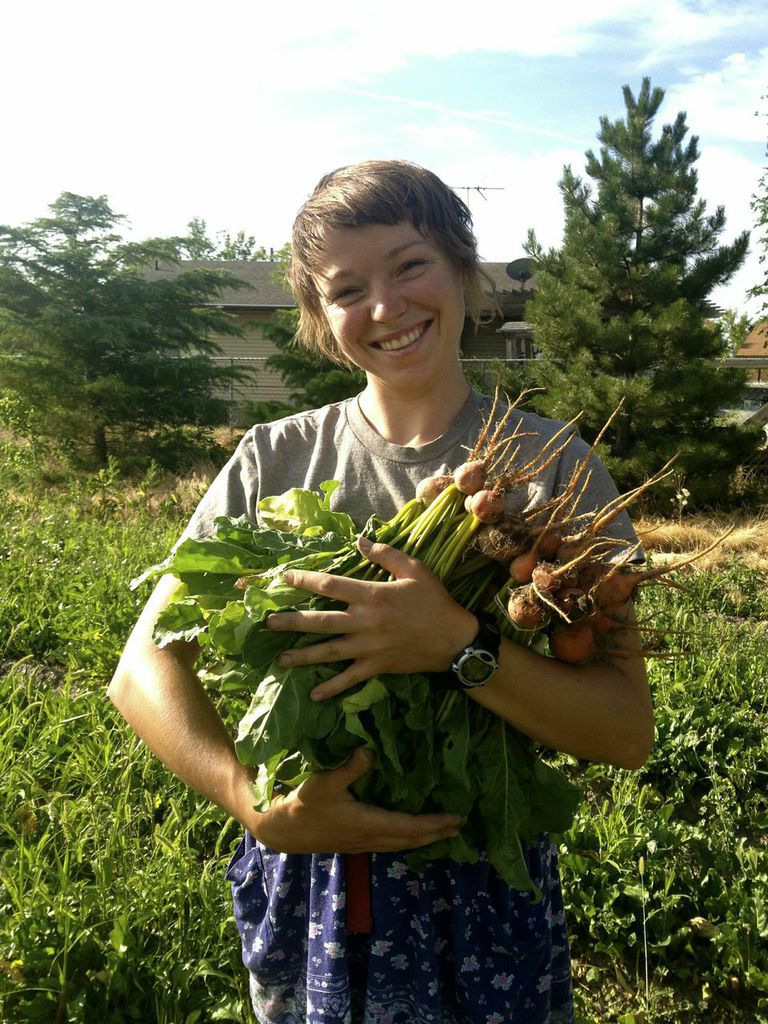
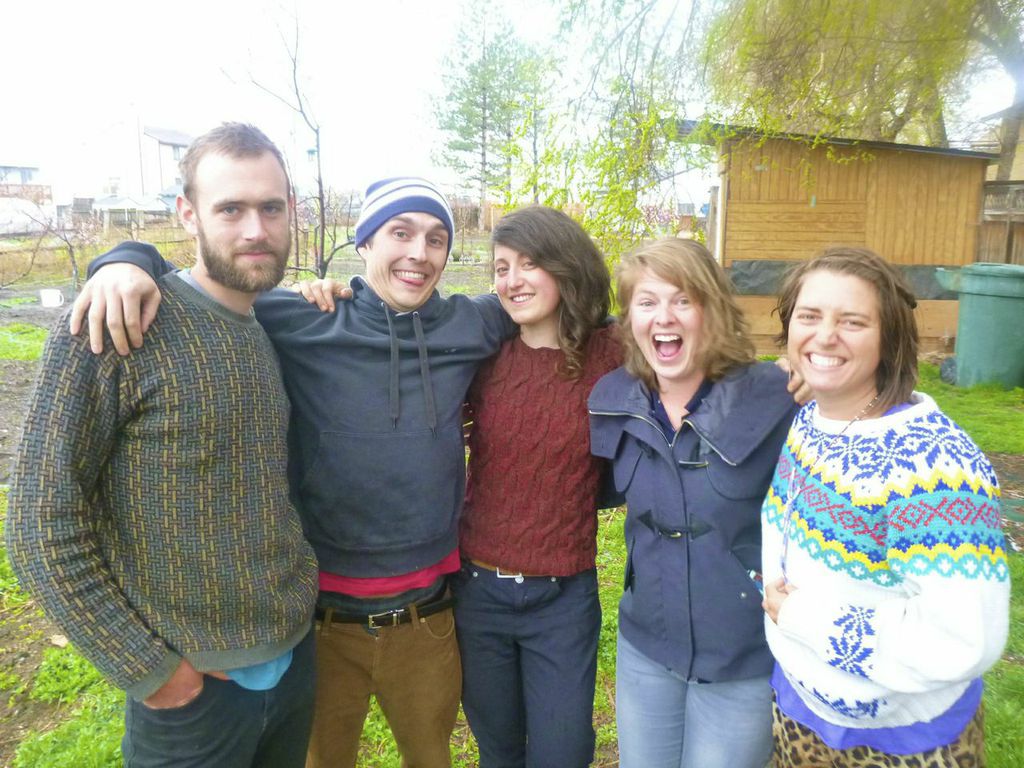
The workers at BUG are all smiles about their mission.

When people think of farming, not many would picture an urban backyard.  But that’s exactly what Backyard Urban Gardens (BUG) hopes to change. With their five satellite gardens located in Salt Lake City, BUG provides annual crops to several local restaurants and families. Each season lasts from May until October and includes a variety of produce:  tomatoes, kale, carrots, beets, lettuce, onions, peppers and beans.The primary output of the farmlands is the community supported agriculture (CSA) partnership, allowing individuals and families to pre-purchase crops for the entire season.

“Even though we are small scale, it’s still labor intensive. There’s always something to be done,” says Alexandra Parvaz, who is in her first year of working with BUG since earning her Masters in Environmental Science from the University of Utah.

“We started out the first year with backyards all over the city. Since then, everything has come onto the west side of the city and have managed to get four of the five backyards on our street,” says third-year BUG farmer Hanley Smith.

They also included come add-ons, such as fruits produces locally from Riley Orchards in Payson, Utah.

Volunteerism is also a major player in the BUG movement. About 10 volunteers help cultivate the crops at any time, as a work-for-trade deal. “Many volunteers are students from the University of Utah or people who have formerly been patrons,” says Parvaz.

Though the area is condense, it’s not without regular farming challenges.  “The water prices,” Smith notes. “Even though they are low, we don’t get the subsidized agricultural water.”  The condensed land also means that each square foot of land must be used to its highest efficiency.

In spite of its growing popularity, BUG farmers see no need for massive growth. “It’s so much more efficient being consolidated and localized. It’s something we can easily jump right into by walking right up to it. We can easily and directly monitor progress,” says Parvaz.

“My feeling on backyard gardening on expanding where you have to load tiller up and drive around is losing proposition. I’m more interested in growing more food on less land,” adds Smith.

And that’s exactly what BUG farming is all about.  BUG is located at 1450 W 1300 S. For more information on prices or how to volunteer, visit http://www.backyardurbangardens.com/.
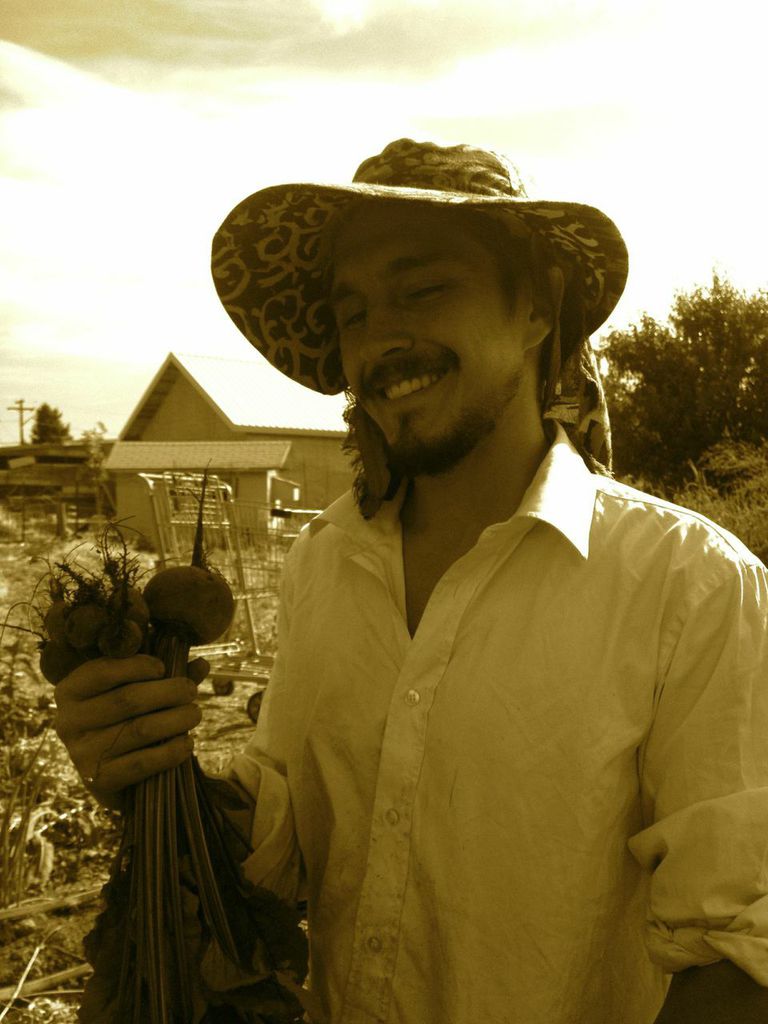
 

BUG farmer Hanley Smith
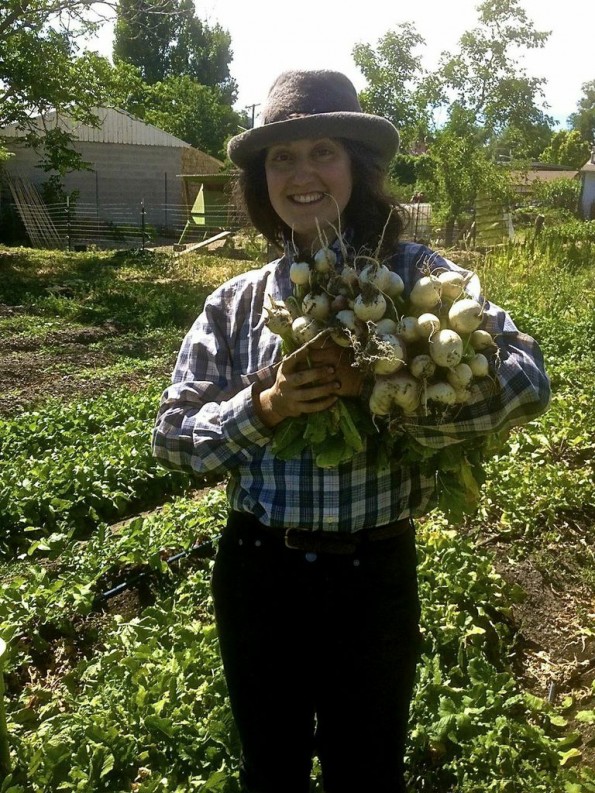
Alexandra Parc picks a fresh crop of turnips
Alexandra Parvaz picks a fresh crop of turnips

Join our newsletter.
Stay informed.


  • How I Lost 120 Pounds and Changed My Relationship With Food

    Throughout most of my life, I used food to cope with chaos, depression, and pain I did not yet understand. By my early twenties, I weighed over 320 pounds and felt trapped in a body that limited every part of my life. This is the story of how learning about food, mental health, and habit-building helped me lose 120 pounds and rebuild stability.


  • Highway 6 and the Midland Trail: Utah’s Transcontinental Highway History

    From Price Canyon to Delta’s desert stretch, Utah played a central role in building the Midland Trail, one of America’s earliest transcontinental highways and the foundation of today’s Highway 6.


  • When Main Street Burned: The Aftermath of the Salt Lake City Fire That Hit Downtown Bars

    Fire doesn’t respect zoning, property lines, or even the most popular block on Main Street. On the evening of Monday, August 11, 2025, a blaze that began around 8:40 p.m. on Main Street. It moved quickly through a row of aging, interconnected buildings that had become the heart and soul of Salt Lake City’s fledgling bar district. By the time firefighters brought it under control, multiple businesses were damaged, dozens of workers were displaced, and one of the city’s most active stretches went dark.

    The fire started at London Bell and spread into neighboring structures, severely damaging Whiskey Street. White Horse never caught fire, but smoke, water, and a partial roof collapse caused extensive interior damage, forcing a full rebuild. Other nearby businesses were affected as well, including some that had helped turn this part of Main Street into one of its most active and economically stable stretches.


  • Utah Acquires US Magnesium Assets in $30M Deal to Protect the Great Salt Lake

    Utah leaders announced the state has successfully won the bid to acquire key assets of the defunct US Magnesium facility on the Great Salt Lake, including its associated water rights and property.