Editors Picks

Vertical Gardening Tomatoes– See the Huge Difference!

Turn your backyard garden into a salsa-making factory by growing up rather than out.

|


I started using this method after programming some lectures 12 years ago for the Mittleidter Gardening Group. All over the world Mittleider was teaching people how to grow food more efficiently often in small spaces with poor soil conditions.

I will not claim that I have perfected the method, or that I am a “master gardener” and I will not say that this is the one and only best method that everyone should use, but it has been great for us in our garden.

On good years through end of July through October we get around 25 pounds of tomatoes from our garden per week . With cilantro, onions, jalapenos –We literally grow all the ingredients to set up a salsa-making factory. Our neighbors love us, because we give away so many tomatoes.  And vertical giant plants reaching eight feet tall, is impressive to wow neighbors and friends.

What I can say about this is that while you need to invest time and money into building T-Frames, the investment is well worth the cost. It’s around $50 per row, about $100 total for the 1×1 posts, wire rope, twine, screws and nails. If there is enough interest in this I’ll make a video on how to make the T-frames, but it is very simple with even a circular saw. I would reccomend buying 12″ nails to pound down from the top of the T-frame to secure the top to the base. I would also recommend setting the posts in concrete if your span is greater than 12′.

Readers: Please feel free to pose questions. This is the fifth video in our gardening series. Four years ago we posted a video called “How To Supersize your Tomatoes” which has received 225,000 views. I’m totally amazed by this, and I would love to engage the YouTube community and hear from you about your garden and promote, especially in Salt Lake City, backyard urban garden homesteading. It’s my dream to have a garden that produces the majority of food we eat in the summer. We are maybe a quarter of the way there now, I’d love to hear from you who are also on your way.

, , , ,


Join our newsletter.
Stay informed.


  • The Utah Farm That Refuses to Give Up as Development Closes In

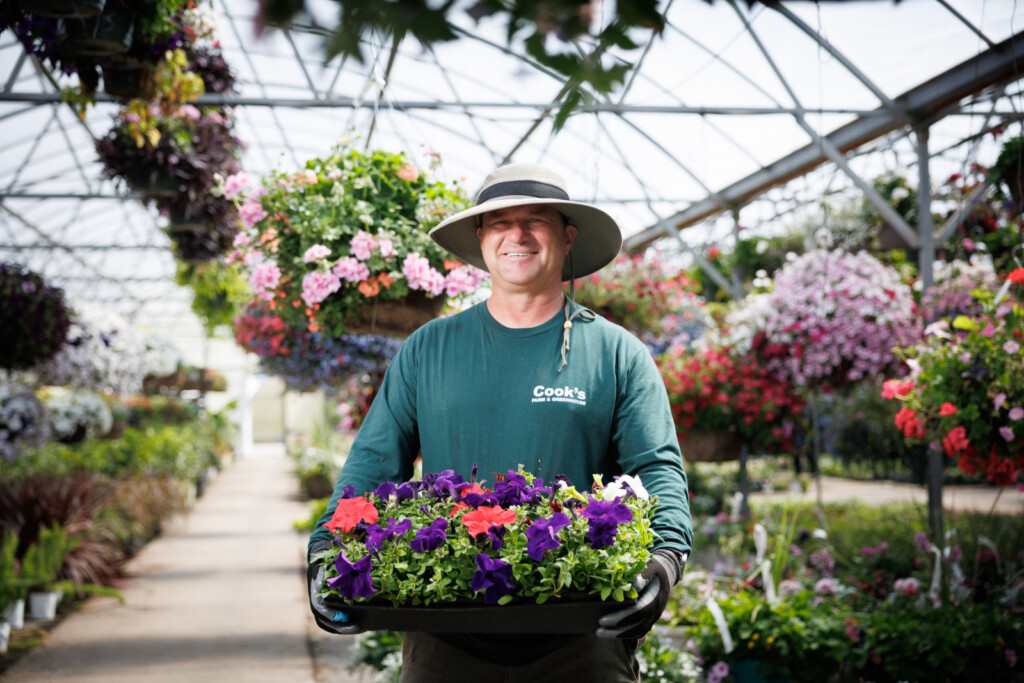
    Running a farm is hard enough, but rapid city growth makes it even tougher. More than a decade ago, the late Verl Cook faced a series of staggering hurdles that threatened to wipe out his family’s livelihood.

    First, the city decided to treat the Cook’s greenhouse — the most profitable part of the farm — like a big-box retail store. They demanded the family build a paved parking lot, a project that would cost $200,000.


  • Future Craft Farm Launches First CSA Season in Salt Lake City

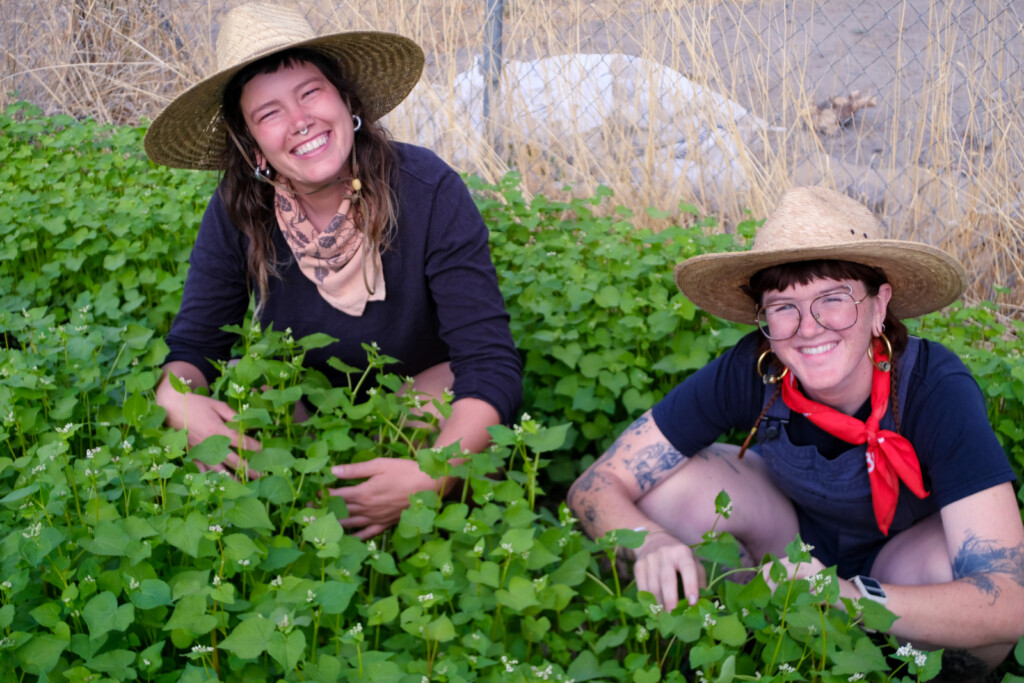
    Hall and Scheig found their land last June and broke ground just two months later, transforming what was essentially a blank canvas into a diversified market garden. This year marks their first full growing season, and they’re launching it with a community supported agriculture program, or CSA. CSAs allow people to support local growers by purchasing a season’s worth of produce upfront, giving farmers the financial stability they need during the most expensive part of the year.


  • A Perfect Night in Downtown Salt Lake City: Little America, Beerhive, and STK

    Staycations in one’s own town always sounded to me like something old, feeble, and tired couples do. For younger people, adventure has always seemed to inhabit the other side of the fence, right alongside the greener grass.

    But sometimes extreme situations call for extreme measures.


  • Farm-to-Table in Utah: Why More People Want to Know Where Their Food Comes From

    When was the last time you plucked a chicken? How about threshing wheat or milking a cow? For most people today, the answer is never. What used to be a daily survival skill has slipped into the history books, while farmers, ranchers, and a multitude of other hands continue to prepare, package, and produce the food we buy at the grocery store.