Beer Stories

Midvale’s Bohemian Brewery

Like Czech-favored beer? Check out Midvale’s Bohemian Brewery.

|


The Story of Bohemian Brewery begins a new chapter with the passing of founder Joe Petra.  But the future looks bright for Czech-style beer brewed in Midvale.

Brian Erickson and Joel Moore carry Joe's legacy into the next generation
Brian Erickson and Joel Moore carry Joe’s legacy into the next generation

Midvale’s Bohemian Brewery lost some of its essence when founder Joe Petras passed away unexpectedly last year. Essence, perhaps, but not its vision which lives on in two young co-brewers Brian Erickson and Joel Moore, both 29.

“Our big thing is trying to keep true to what his principles were,” Erickson says, “But of course, we also have the responsibility of making sure we continue to fit into the landscape for beer and keep the business going.” Moore continued, “Because of our niche and what we are trying to do we feel it’s important.”

As for the high point beers, Erickson says, “We are still exploring the 4-point world.”

Moore added, “It does come down to the culture behind how we were established, especially the Czech. We think we can make real flavorful beers without there having to be this real big alcohol content.”

Besides their own pub, Bohemian beers are on tap at restaurants and in cans at Utah grocery stores. Both Erickson and Moore are strong proponents of cans. “By far a superior package for beer. It’s the little tiny beer keg. Utah is a natural fit for cans. A lot of the places people take craft beers are places where you can’t take glass, like rafting and backpacking. Cans are taking the industry by storm.” Erickson likens the bottle-can question to the cork debate in the wine industry. Fine wine with synthetic corks and screw-top caps are now commonplace. Bohemian beers have never been in anything but a keg or a can. “Before long everyone’s going to have cans.”

,


Join our newsletter.
Stay informed.


  • The Utah Farm That Refuses to Give Up as Development Closes In

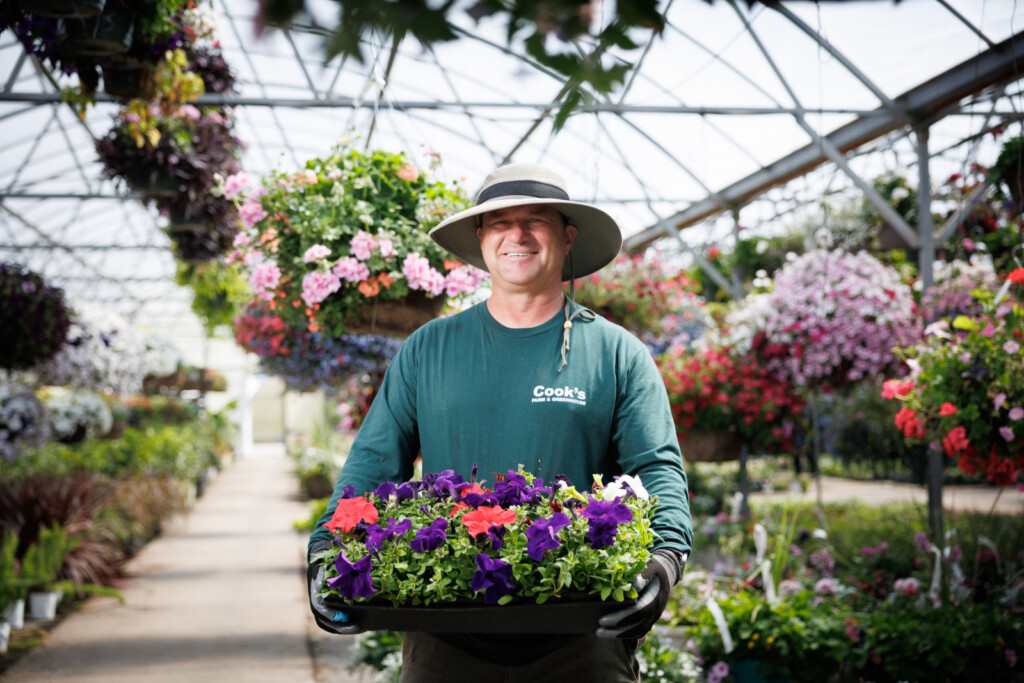
    Running a farm is hard enough, but rapid city growth makes it even tougher. More than a decade ago, the late Verl Cook faced a series of staggering hurdles that threatened to wipe out his family’s livelihood.

    First, the city decided to treat the Cook’s greenhouse — the most profitable part of the farm — like a big-box retail store. They demanded the family build a paved parking lot, a project that would cost $200,000.


  • Future Craft Farm Launches First CSA Season in Salt Lake City

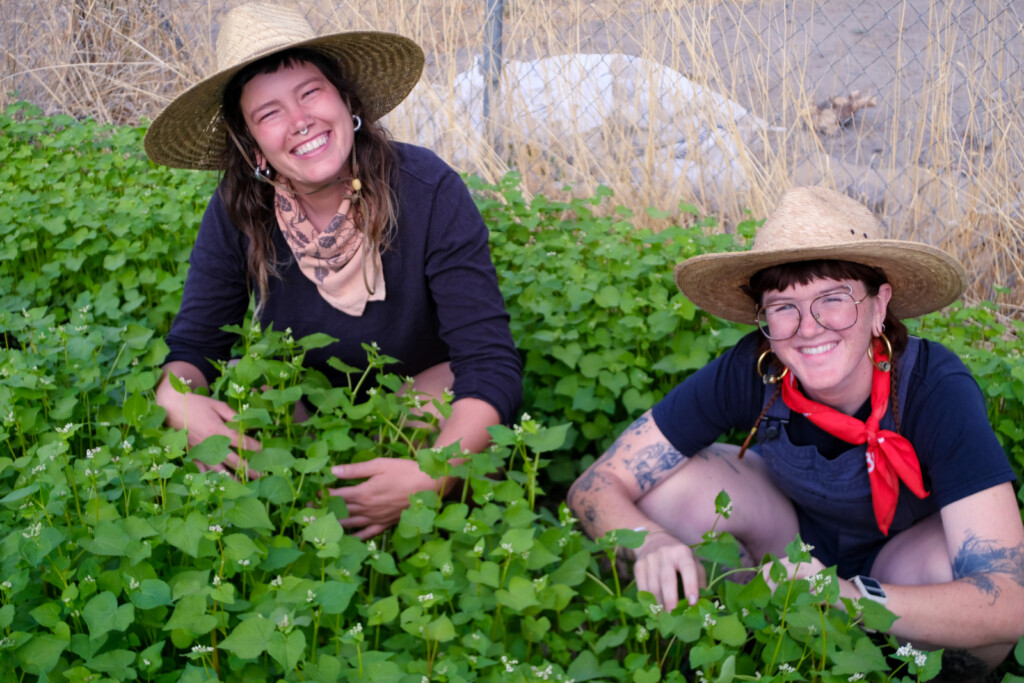
    Hall and Scheig found their land last June and broke ground just two months later, transforming what was essentially a blank canvas into a diversified market garden. This year marks their first full growing season, and they’re launching it with a community supported agriculture program, or CSA. CSAs allow people to support local growers by purchasing a season’s worth of produce upfront, giving farmers the financial stability they need during the most expensive part of the year.


  • A Perfect Night in Downtown Salt Lake City: Little America, Beerhive, and STK

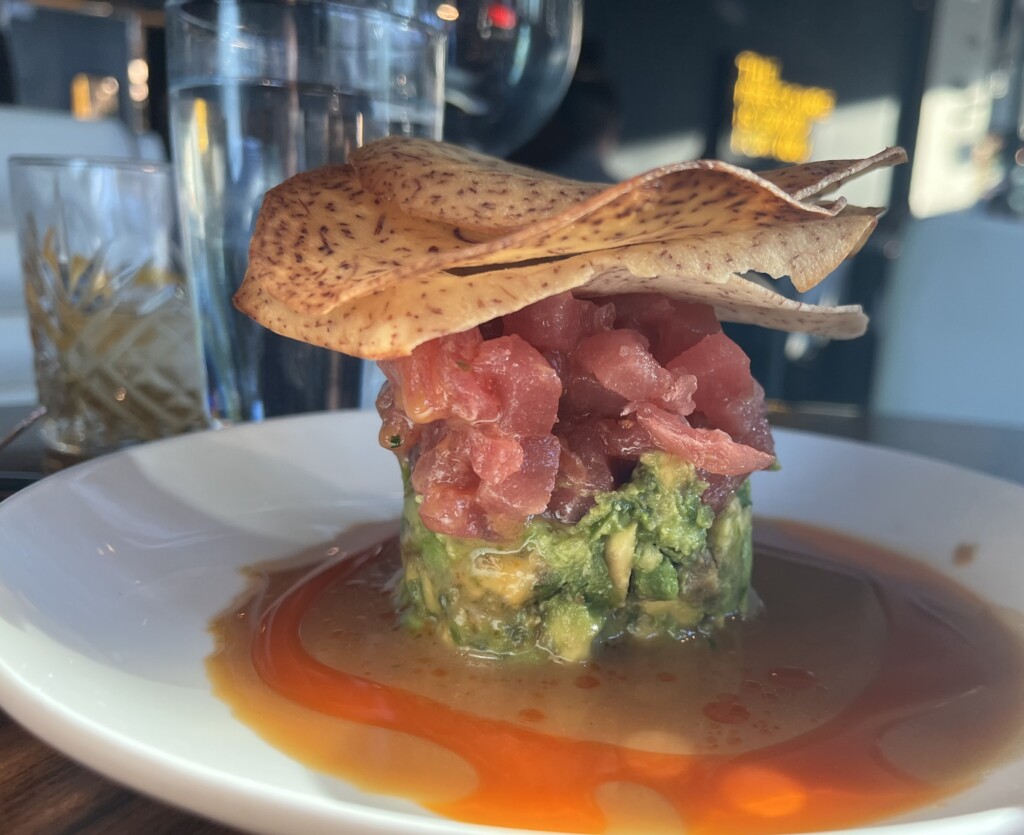
    Staycations in one’s own town always sounded to me like something old, feeble, and tired couples do. For younger people, adventure has always seemed to inhabit the other side of the fence, right alongside the greener grass.

    But sometimes extreme situations call for extreme measures.


  • Farm-to-Table in Utah: Why More People Want to Know Where Their Food Comes From

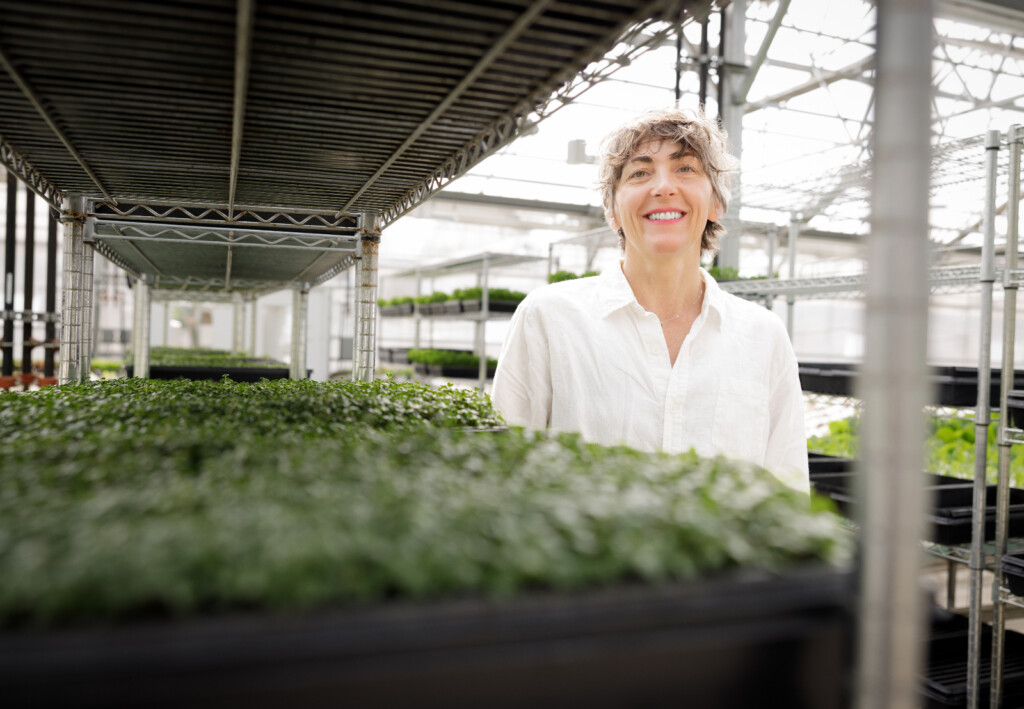
    When was the last time you plucked a chicken? How about threshing wheat or milking a cow? For most people today, the answer is never. What used to be a daily survival skill has slipped into the history books, while farmers, ranchers, and a multitude of other hands continue to prepare, package, and produce the food we buy at the grocery store.