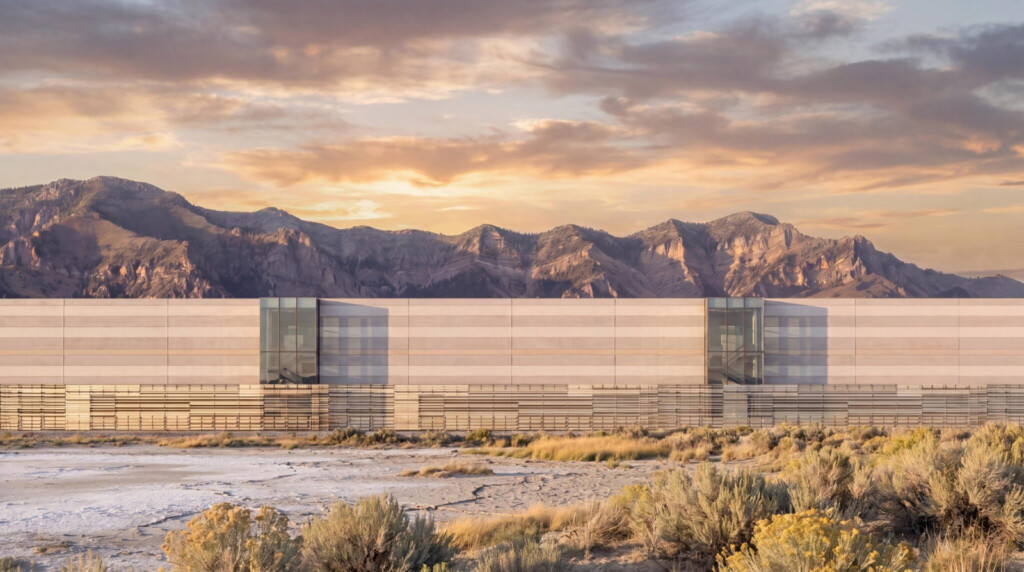

Moab

Moab’s Identity Crisis: Off-Road Adventure, Tourism, and the Fight Over Utah’s Desert Trails

our dogs has been our escape for the past twelve years. (If you don’t like dogs, take your kids, your bikes, your jeep, your UTV or ATV and have a blast. Just don’t bring your cats. Sandwiched between Canyonlands and Arches National Parks, Moab has attracted international attention for its rare accessible beauty. We met…

|


our dogs has been our escape for the past twelve years. (If you don’t like dogs, take your kids, your bikes, your jeep, your UTV or ATV and have a blast. Just don’t bring your cats.

Sandwiched between Canyonlands and Arches National Parks, Moab has attracted international attention for its rare accessible beauty. We met a Parisian lady at the Hoodoo Hotel sitting in a hot tub under the stars. “I just love it here,” She told us. She jets from Paris to Moab to relax. 

When I spend time here, my asthma is at bay. We go on long walks, take in scenic vistas; the massive starlit night; no freeway noise, and less anxiety.

Last season, I had the pleasure of experiencing River rafting the Green and the Colorado Rivers with two of Moab’s most trusted river rafting companies: Navtec and Sheri Griffith. We took our kids down the Green River. Disneyland’s long lines for Splash Mountain have nothing on The Gates of Lodore’s whitewater rapids.

Like everyone who comes to Moab, I am a nature and quiet lover. Permeating our cities are noise, pollution, road rage and anxious vibes. Moab is a great escape. After covering Moab for more than 15 years, I’ve become aware how city-dwellers’ proclivities and priorities – with all of the best intentions – can destroy small, quaint places economically for working class families. 

In our last issue we profiled people who have made their lives in Helper, Utah. We pointed out how Helper and Carbon County only function due to the coal mining industry and hard-working class residents. Without capitalism, with its sometimes dirty, polluting and soul-sucking work, there would be no working class and family economic viability.

Perhaps it goes without saying that towns can’t function as tourist destinations without the risk taking of small entrepreneurs and family-operated businesses. So why am I saying it? Because there are fewer places than ever in Utah where families can afford to live. Moab is quickly becoming one of those unaffordable places. Homes here average $500K and there are an excess of properties in Moab costing more than $1 million.

To access this post, you must purchase Utah Stories (Digital + Print) or 3 month free trial (Digital).
, ,


Join our newsletter.
Stay informed.


  • Utah Craft Whiskey: How Barrels and Utah’s Climate Shape Flavor

    Utah’s craft whiskey scene is shaped by more than grain, yeast, and time. The state’s dry climate plays an unusually powerful role in how spirits age, intensifying the relationship between whiskey and the barrels that hold it.

    Low humidity accelerates evaporation during aging, often claiming 14–18 percent of a barrel’s contents as the “angel’s share.” Unlike more humid regions where alcohol evaporates faster, Utah barrels tend to lose more water, concentrating flavor and driving proof upward over time. That accelerated interaction pulls sugars, tannins, and spice from the wood more quickly, creating whiskeys that often taste older and more structured than their age statements suggest.

    To understand how Utah distillers are deliberately harnessing climate, char, and finishing barrels to shape flavor, two producers at the forefront of that experimentation — Sugar House Distillery and Spirits of the Wasatch — shared how barrel choices influence everything from sweetness and spice to texture and proof.

    *The remainder of this article is available to Utah Stories subscribers and includes in-depth reporting from Utah distillers on barrel selection, aging techniques, and experimental finishes.

    To access this post, you must purchase Utah Stories (Digital + Print) or 3 month free trial (Digital).


  • From Immigrant Miner to U.S. Senator: The Rise of Thomas Kearns in Park City

    In June of 1883, 21-year-old Thomas Kearns arrived in Park City with little to his name and no guarantee of success. Like many young men drawn to the mining camps of the West, he was poor, ambitious, and willing to take whatever work he could find. After months of grueling labor underground as a mucker in the Ontario Mine, Kearns distinguished himself through persistence and curiosity, spending his evenings studying manuscripts on mining and land rights long after his shifts ended.

    That quiet discipline soon changed his fortunes. A chance observation while tunneling led Kearns and a small group of partners to lease nearby claims, uncovering one of the most productive silver deposits in Utah history. In less than a decade, the immigrant laborer had become a millionaire and a central figure in Park City’s economy, setting in motion a rise that would carry him far beyond the mines.

    To access this post, you must purchase Utah Stories (Digital + Print) or 3 month free trial (Digital).


  • Ogden Valley City Incorporates as Voters Deliver a Surprising Mayoral Outcome

    Ogden Valley City has officially incorporated at a pivotal moment for northern Utah, just as growth pressures tied to the 2034 Winter Olympics begin to accelerate. Voters also delivered an unexpected mayoral outcome, setting the tone for how the new city will approach land use, local control, and the work of building a government from the ground up.

    To access this post, you must purchase Utah Stories (Digital + Print) or 3 month free trial (Digital).


  • An Argentine Food Tradition Finds a Home in Sugar House

    In Sugar House, Maria Florencia Farr makes empanadas that carry more than filling. They carry memory. Each one recalls suburban Buenos Aires, where families gathered late at night and meals were unhurried, familiar, and shared.

    “In Argentina, dinner doesn’t happen at five,” she says. Empanadas were a constant in her childhood, as ordinary and dependable as cookies in an American home. Learning to seal them, shaping the distinctive repulgue by hand, marked a small but meaningful rite of passage.

    When Florencia moved to the United States 18 years ago, food became one of the clearest reminders of what she had left behind. She missed the everyday tastes of home and kept searching for them. Over time, that longing evolved into something larger, shaping the decision to build a place rooted in tradition, meant to be shared.

    The remainder of this story is available to subscribers.

    To access this post, you must purchase Utah Stories (Digital + Print) or 3 month free trial (Digital).