Police arrested 19 people on Tuesday connected to an identity theft ring with at least 200 Utah victims, according to KSL. Sandy police Sgt. Greg Moffitt said the investigation began as possible drug activity in an apartment in Sandy. Then as the investigation went on officers issued search warrants on the property and a fraud ring was found.
“It was basically just a fraud ring,” Moffitt said to KSL. “It’s basically two apartments in this apartment complex that weren’t being used as residences — they were being used as like a headquarters for operation — it’s basically how I would explain it.”
According to police, officers recovered drugs, as well as a large amount of mail, forms of identification, checks and tax documents — W-2 forms believed to have been stolen from the mail and from vehicle burglaries across the state, including in Carbon, Emery, Duchesne, Summit and Washington counties.
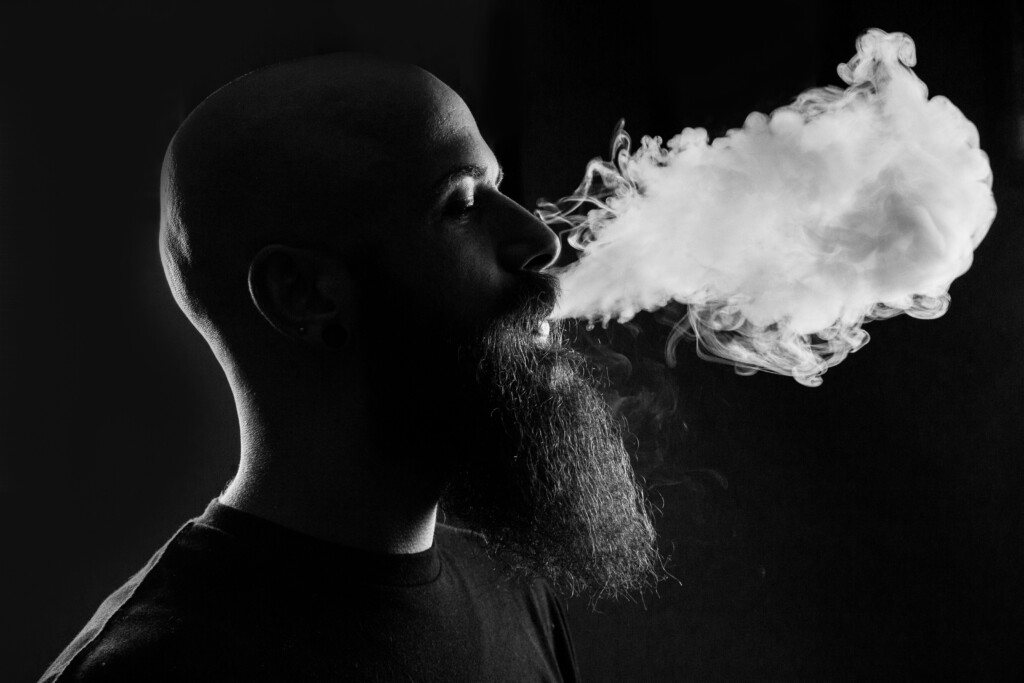
A large crowd of people gathered at the Utah State Capitol, shouting “We vape! We vote! The crowd was protesting a bill that will restrict vapes from being sold in Utah unless they are FDA approved, according to Fox News. Another part of the bill includes only having vape products in mint, menthol, and tobacco flavorings. Similar laws have been passed in cities and states in California. The flavoring law is to prohibit children from being attracted to vaping with flavors such as peach or watermelon. Sen. Jennifer Plumb who sponsored the bill said, “I think one of the things that’s missed in this message is how important it is to protect our youth and our young folks from nicotine dependence,” she told FOX 13 news on Tuesday. “This bill does not take away Utahns’ ability to vape. It does remove flavored vapes which are 80% of what children like to vape.”
Operation Underground Railroad who has been receiving backlash due to its former CEO Tim Ballard is appointing a new CEO, according to ABC4.
Tammy Lee, who served earlier in her career on the White House Interagency Task Force to Combat Trafficking in Persons, told ABC4.com that she heard about the opening for CEO through LinkedIn. “It’s been a very fast process, but through the process, I had to get the opportunity to know the people in Salt Lake City and the organization, and I couldn’t be more thrilled to be joining,” Lee told ABC4.com.
Lee told ABC4.com that preventing exploitation and trafficking is a passion for her, and she referred to the opportunity to work as CEO of O.U.R. as a calling.“I am honored to join the team at O.U.R. who have made it their life’s work to rescue and care for victims of human trafficking and provide a pathway to a bright new future,” Lee said. “I’m confident O.U.R. best days are still ahead.”
During the pandemic, Jessica Lowe found her passion for cooking, according to the Deseret News. She signed up for a course at Park City Culinary Institute, and from there she turned herself into a chef for the homeless. Jessica shops, cooks and delivers hot meals and sack lunches to people who live in tents and cardboard boxes and underpasses throughout the Salt Lake Valley. That’s where her non-profit Be A Little Too Kind began.
It’s two years later and Be A Little Too Kind has a whole team behind Jessica. “I’m not trying to end homelessness or force anyone to change,” Jessica says to Deseret News, “I just want them to know that they have worth and they’re not forgotten. I also want them to know that the meals and other items are donated by other people who aren’t forgetting them.”
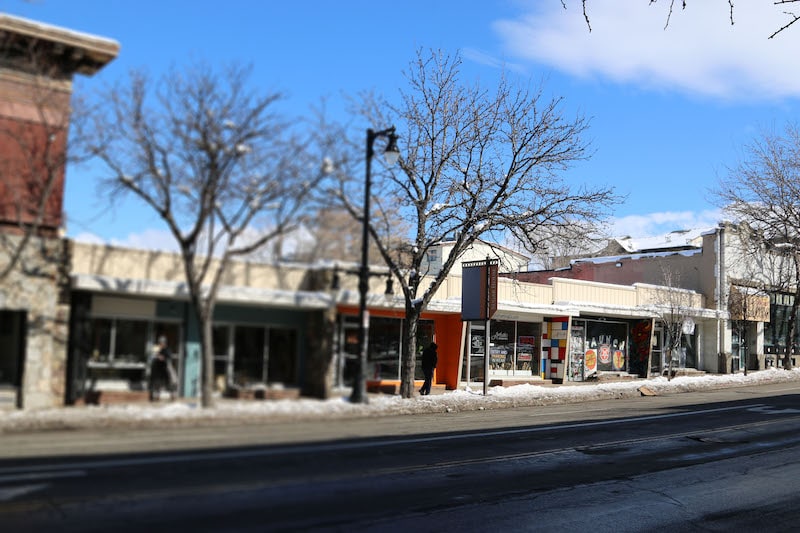
Reconstruction projects will start in Sugar House on 2100 South in March, according to Mayor Erin Mendenhall. The 2100 South project team says the project will reconstruct the road from 700 to 1300 East. “It’s sort of like a necessary evil,” Salt Lake Brewing Company Brand Manager Rick Seven said to ABC4. Seven’s job also covers Wasatch Brew Pub in Sugar House, located on 2100 South. He said last summer, they felt the effects of construction along South Highland Drive. “Some businesses are leaving, some businesses … are wondering how they’re going to feed their family,” he said.
Kimi Eklund is the owner of Kimi’s Chop & Oyster House, one of the businesses that left. Her restaurant was located along South Highland Drive for nearly a decade. Eklund said to ABC4 last summer’s construction took a toll, and in the past year, her business revenue decreased about 55%. So, after nine and a half years, she moved her restaurant. “I found this new location in Holladay,” she said. “I found a lot of clientele.” Both Seven and Eklund said they recognize the need for construction and even acknowledge that it leads to good things. “We do hope it to be positive,” Seven said. “Sugar House itself is a great location.”
*Content for this article curated from other sources.