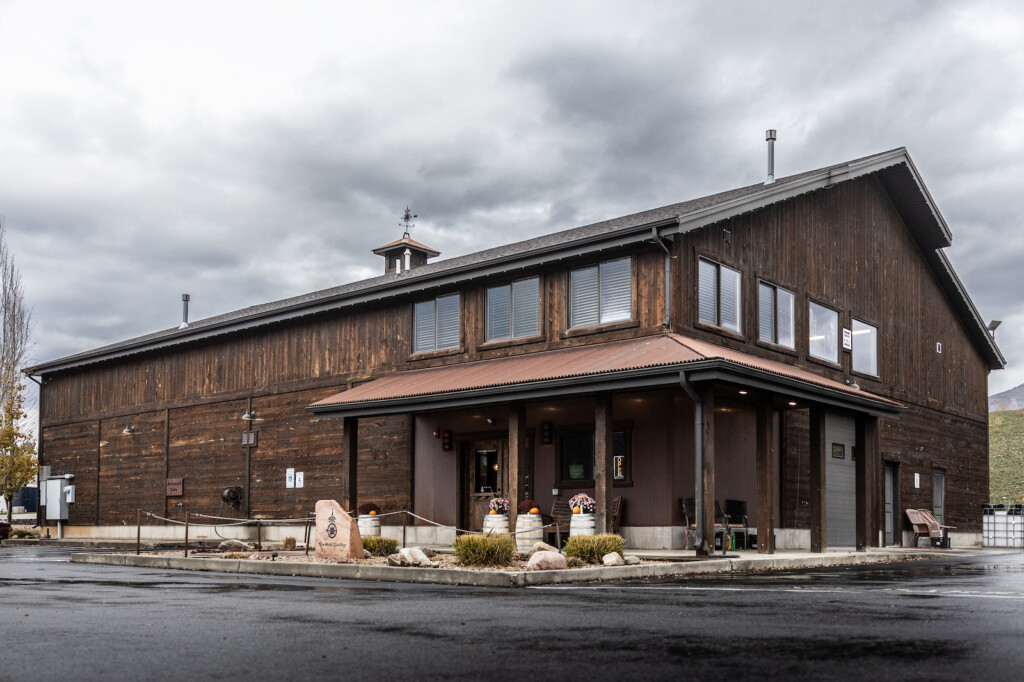
Named after the biblical garden of Eden, Eden, Utah is home to several natural wonders: Powder Mountain Ski Resort, which recently topped the SKI magazine western resort rankings for 2024, and creatively crafted spirits from New World Distillery.
Unlike the ski resort, the distillery is still somewhat of a secret to Utahns, explains Christopher Cross, owner and distiller of New World, who, along with his wife and founder Ashley Cross, opened New World Distillery in 2016.
“The tourists find us easily because they Google things to do nearby,” says Chris. And they’re the ones who then tell their local friends about the tour they took and encourage them to visit.
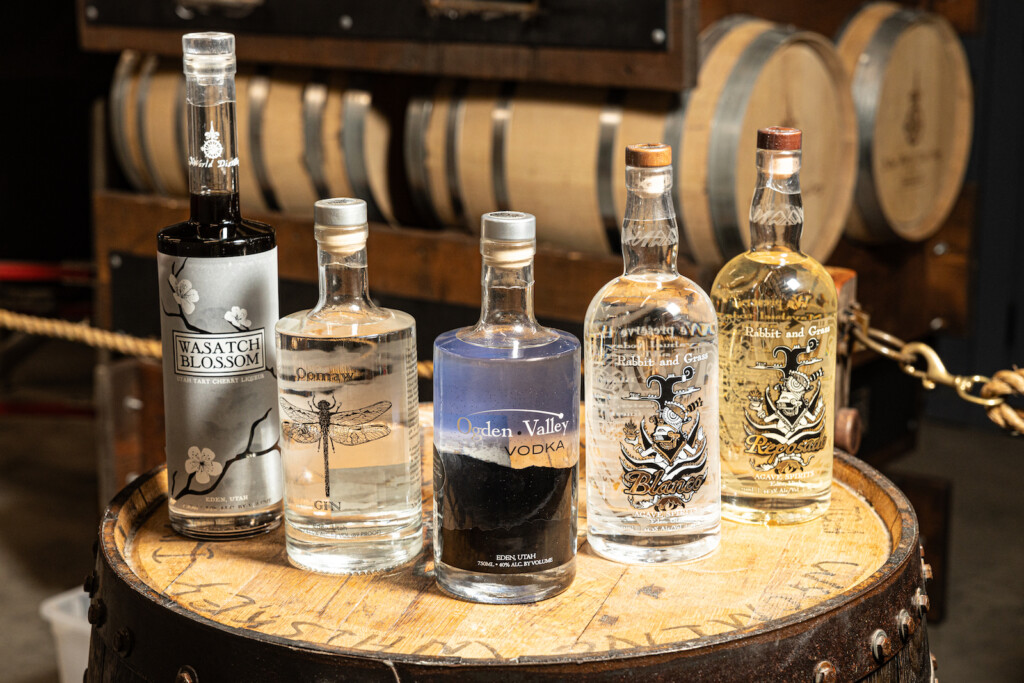
For those who already know the New World name thanks to their leading liquor, Oomaw gin, with the beautiful dragonfly on the label, the craft and artistry that goes into their products is evident — validated by the many restaurants that feature their liquors in cocktails across the state.
While the gin is Ashley’s favorite, Chris’ love is firmly in agave spirits — most popularly known as tequila and mezcal.
Blue agave is the base for tequila, but by law, agave spirits made outside of five specific regions in Mexico cannot be called tequila. Chris is completely fine with that designation and says of their Rabbit and Grass Blanco Agave Spirit, “It’s dramatically different from a Mexican blanco by design, because our process is quite different.”
To craft the blanco, Chris takes 100% organic blue agave and then ferments it using champagne yeast under tightly controlled conditions. He distills it to capture the fruit-forward flavor of agave for a bold blanco that’s easy to sip.
Caring as much about what’s inside the bottle as outside, original artwork by local artist Tyler Davis was commissioned to depict Mayahuel, the goddess of agave and fertility, for the agave spirits line.
“We start with the art first, and then the name comes after,” Chris explains. The Crosses researched ancient and modern renderings of Mayahuel and gave Davis the collection, noting their preferences and then let him craft an idea. “He incorporated the things we liked and tried to avoid the things we didn’t to come up with our own custom, modern version of Mayahuel,” Chris says. “It’s a really cool piece of art and we accepted the first draft! I really love the piece of art because it’s so unique to us.”
Various interpretations of ancient Oaxacan legends say that Mayahuel was the patron of the 13-day festival in the Aztec calendar that starts with 1 Malinalli (grass), and that she gave birth to an infinite number of rabbits, each one describing a state of intoxication. Chris further explains that the name Rabbit and Grass comes from the Aztec calendar which follows a system of each day and week having a nature symbol associated with it, so rabbit is the day and grass is the week.
“New World Distillery ferments, distills, ages and bottles all three traditional tiers of agave spirits: blanco, reposado and anejo,” Ashley explains. The distillery’s latest edition is the anejo, which is aged for just over a year in used barrels that once held their sold out Ogden Nine Rails Bourbon, resulting in a smooth and complex flavor.
The couple also makes the only 100% blue agave-distilled vodka in the state of Utah, and to date, it is only one of two made in the entire United States. When asked about the bold choice, Chris says, “I only make things I drink and I don’t drink vodka, but we needed it in our lineup because a third of Americans do, so we were experimenting and that’s when we tried it. It’s absolutely amazing!”
Finally their Wasatch Blossom Utah Tart Cherry Liqueur is a blend of site-distilled agave and neutral spirits featuring the flavors of Utah Montmorency tart cherries and sweetened with 100% organic agave nectar.
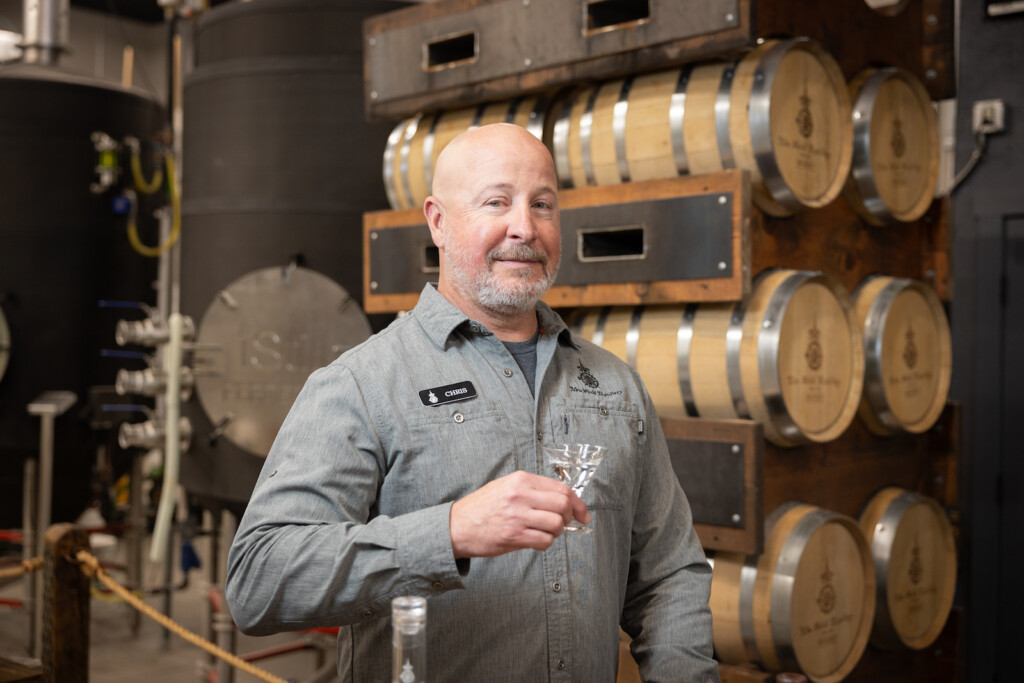
Chris’ foray into agave began long before the distillery, as he grew up in Arizona and headed to the beaches of Mexico (and drank tequila) in his youth. He then became a hobbyist and finally decided to include what is now his favorite in their product line — Rabbit and Grass Blanco — in the distillery’s initial product launch.
“Chris has been chasing tequila his whole life,” says Ashley. “Agave distillates were among the first distillates he ever experimented with in the early days of his research. He’s studied with some of the world’s most-renowned agave producers. His passion for such a tenuous and challenging raw material when it comes to spirits production is what led him down this path in pursuit of making American agave spirits.”
You’ll find many of New World Distillery spirits at various DABS liquor stores. Along with the Oomaw Gin, the Rabbit and Grass Blanco and Ogden Valley Vodka are available widely. Wasatch Blossom Cherry Liqueur is available at a handful of DABS stores and the distillery in Eden. The reposado is available via special order by the case through DABS or at the distillery, while the new anejo is only available at the distillery. All New World Distillery products are available for purchase online to all but six states (Utah being one) in America.
Chris encourages fans of their products living in the Beehive State to ask for them in their favorite bars and restaurants, explaining that demand from customers has a direct effect on more of their products becoming available in more DABS stores.