If you publish a magazine called “Utah Stories”, it might not be surprising that we seek out local businesses that also celebrate stories.
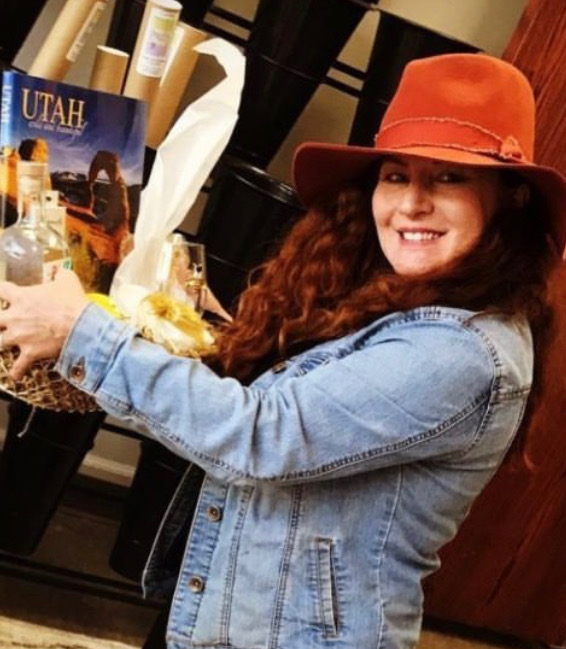
Everything Utah is a shop in the Broadway District (300 South and State) that offers stories about products and their makers from the rural areas, corners and backwoods of Utah. Mary Lindsey is the owner and chief curator of the changing selection of goods which showcases the best of local Utah.
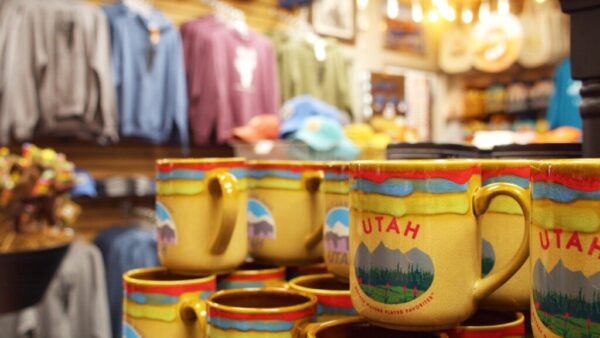
The shop features an array of Beehive Naturals products. Stephanie and Sam Ginn, the founders of the company craft soaps, lotions, and balms from Utah honey and goats’ milk in North Ogden.
Another Utah product with a great story is Redmond Real Salt. It is a Salt Mine near Richfield. A rancher discovered a natural salt lick in his pasture that his cows gravitated to, and it turned out that he was sitting on one of the richest deposits of natural salt west of the Mississippi River. Redmond Salt is special because it’s full of natural trace minerals that improve cellular function.
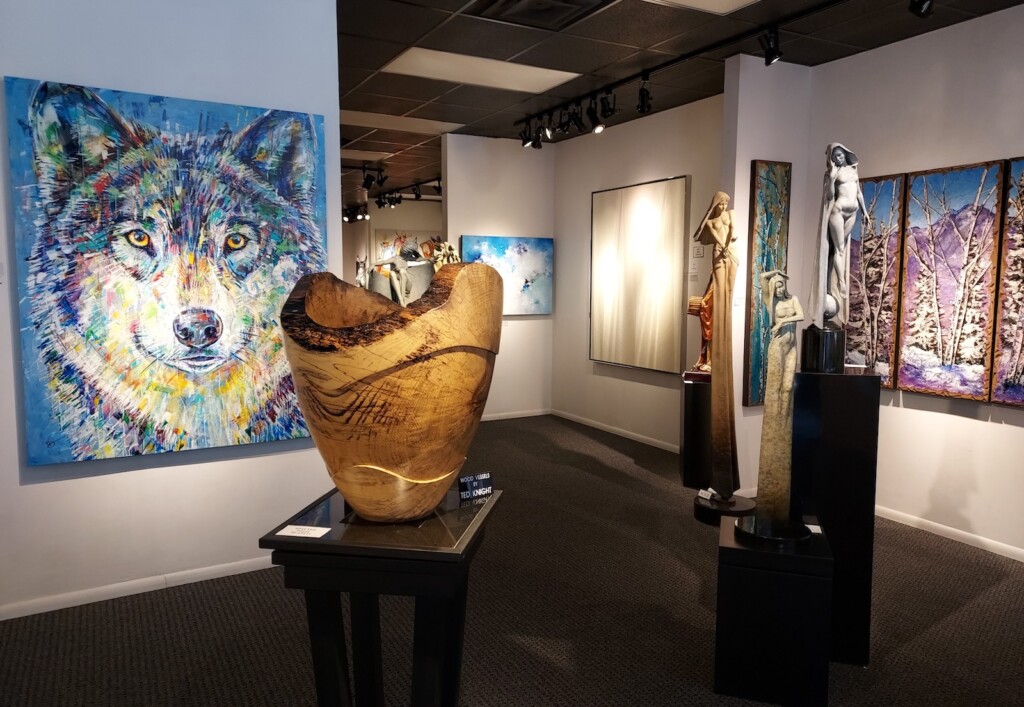
From scarves to hats, paintings and sculptures, to local chocolate, Everything Utah encompasses a niche of what makes the Beehive State special.
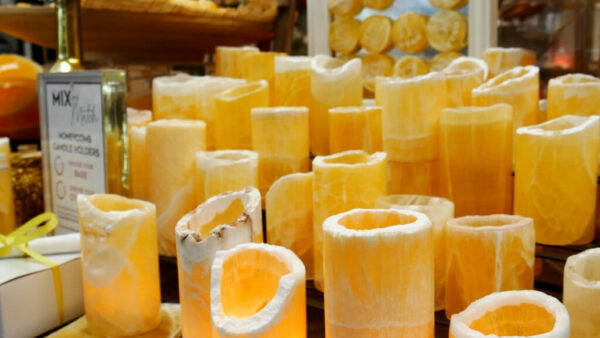
Lindsey works hard to search for the best local artists and goods to provide a variety of beautiful treasures and keepsakes. “I wanted to provide a bit of an immersion for those who come to the city,” Lindsey said. “Utah is so lovely and the people are so lovely, and it would be wonderful to have a place that represents local products and products that are created to tell that story.”
Lindsey curated her collection by being friends with many talented local artists while living in Alpine. She’s focused on telling Utah’s story. “Let’s tell the story of the lake the best we can. Let’s tell the story of the national parks. Let’s tell the story of the little fun facts of Utah,” Lindsey said. In the store are small sand boxes with Utah rocks and arches.
One of Lindsey’s favorite memories in the shop is the Dugway Geode which brought in a unique clientele. She loved watching how much people loved coming to the shop to purchase this specific geode. For more information, go to Everything Utah’s website.