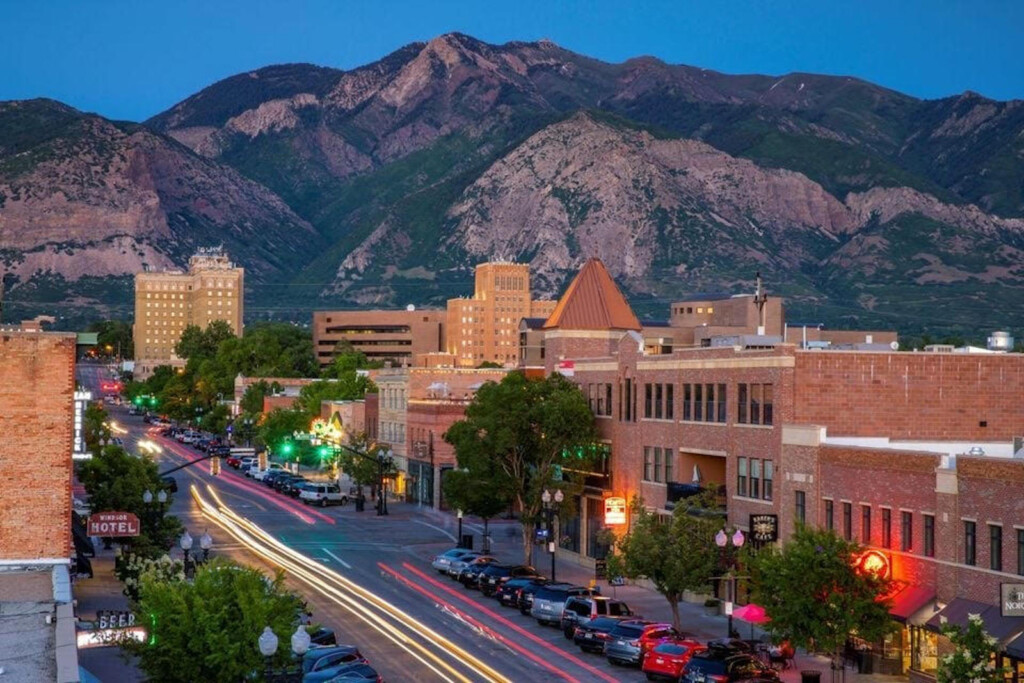
In the early 1900s, movie theaters were everywhere, on virtually every block on every Main Street in the US. The especially lavish ones were called “Movie Palaces,” and were lavishly decorated and adorned. Over the years, movie palaces were torn down as theater chains emerged and television entered the scene. Despite this decline, a few are still open across the United States, allowing us to recall their cultural heritage and architectural history. One such palace, located in the heart of downtown Ogden, Utah, is remarkably well preserved and going strong more than a century later.
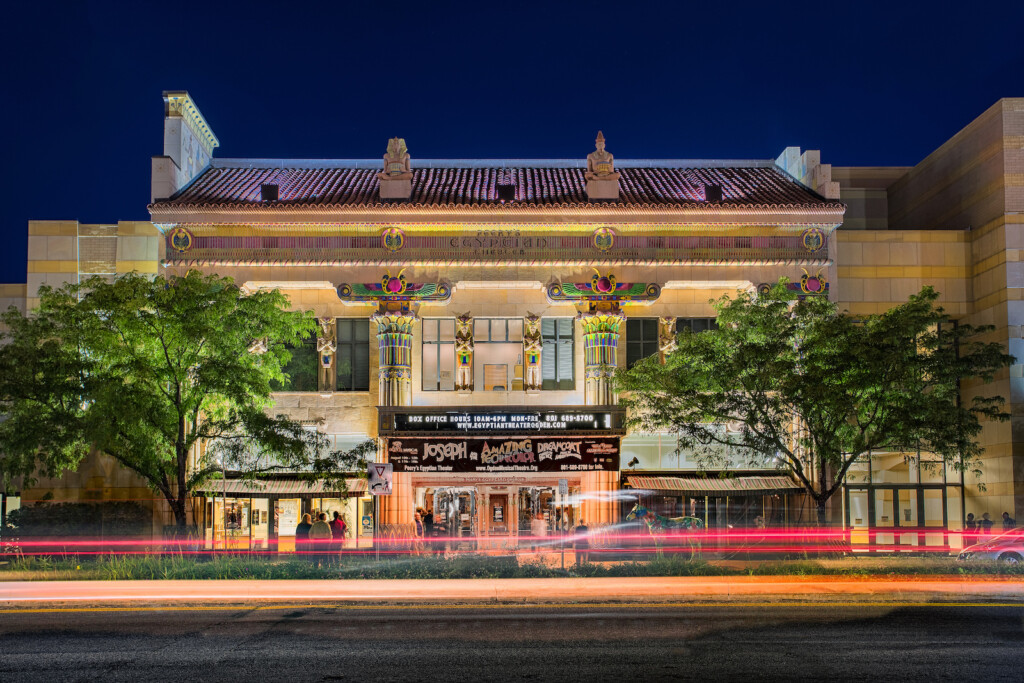
The Peery’s Egyptian Theater on Washington Boulevard in Ogden, Utah was built in 1924. Like many Egyptian theaters throughout the country, it celebrates ancient architectural style and decoration with motifs throughout the exterior, pillars with Egyptian hieroglyphics, and colors vibrantly framing the stage.
The theater itself is remarkably preserved. It’s under a historic marker, and staff over the years have done an incredible job keeping it original. Kassi Bybee is the General Manager of Peery’s Egyptian Theater, and said her staff works to keep it looking like it has for years.
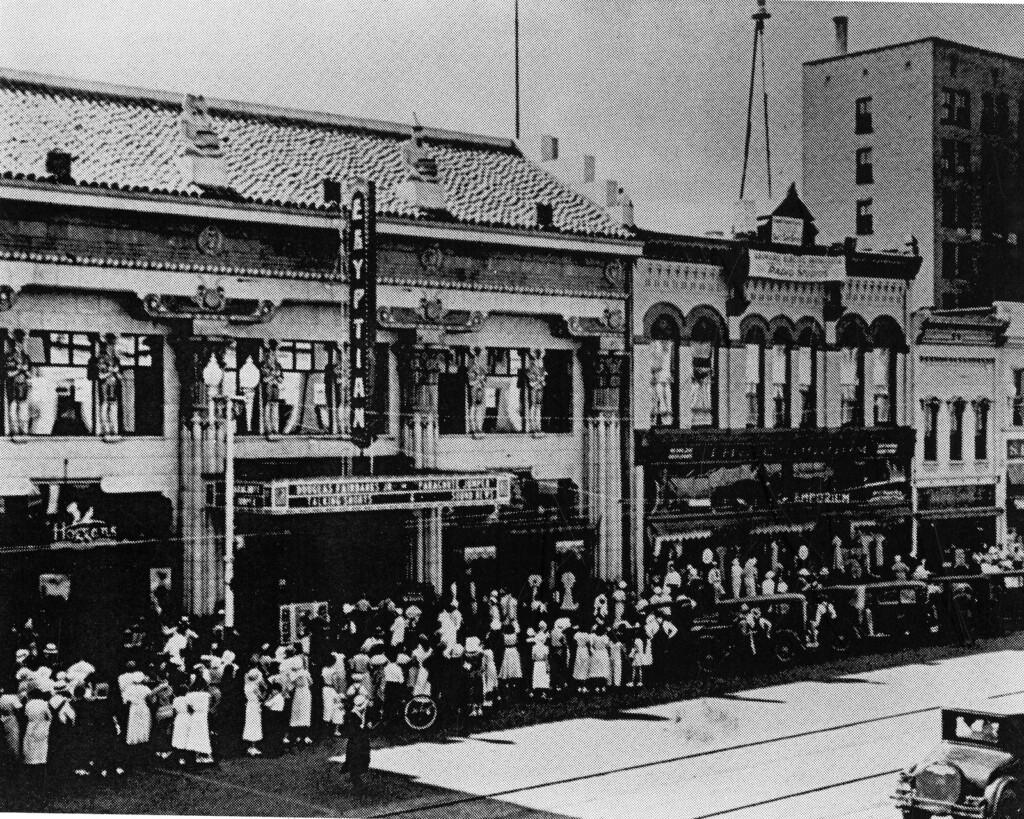
“One of the wisest decisions ever made in our community was to restore and save the Peery’s Egyptian Theater,” Bybee said. “Over the past eight years we have had a very large increase in the use of the theater. When I started as General Manager, I would often hear people make comments such as, ‘What a beautiful theater; too bad it isn’t used much.’ That has significantly changed.”
The box office greets visitors with a massive hieroglyphic above it. As one walks in the theater, it feels as if one is being transported to a different time. Inside the theater, an incredible spectacle that was state of the art in the 1930s takes place. When the audience enters the theater, the light above is like daylight. It’s bright, it’s warm, it’s orange.
As it gets closer to performance time, the sun begins to set in the theater. By the time the curtain falls and the performance or movie is about to start, the stars come out, twinkling above. One could imagine what a special effect this was in the days before computers.
The theater fell into disrepair after its popularity waned in the late 1900s. In 1997, a group of preservation-minded community members got together to bring the theater back to the brilliance it once had. Since then, it’s been under continuous operation as part of the Ogden-Eccles Conference Center Complex. It’s an absolute treasure, a historically brilliant thing, and something that Ogdenites are justifiably proud of.
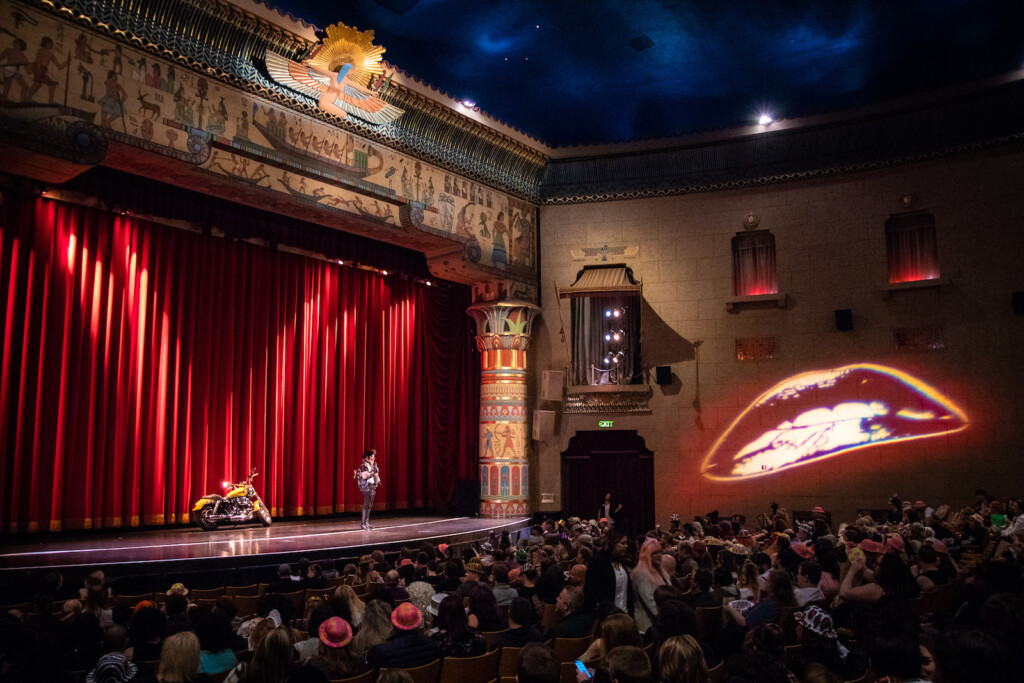
Theater-goers enjoy speakers from Ted-X to comedians. Films like the Rocky Horror Picture Show are shown at Halloween, and concerts are performed. Bybee says that after the theater was restored in 1997, more space was created for performances.
“When the theater was restored, the back wall of the stage was pushed out, creating a space for live performances, and technology was added without distracting from the historical beauty of this theater,” Bybee said. “We are much more than a cinema palace.”