Video

The INN Between: A Model for Compassionate Homeless Care

Jillian Olmsted discusses The INN Between and the challenges of providing homeless the best affordable care.

|


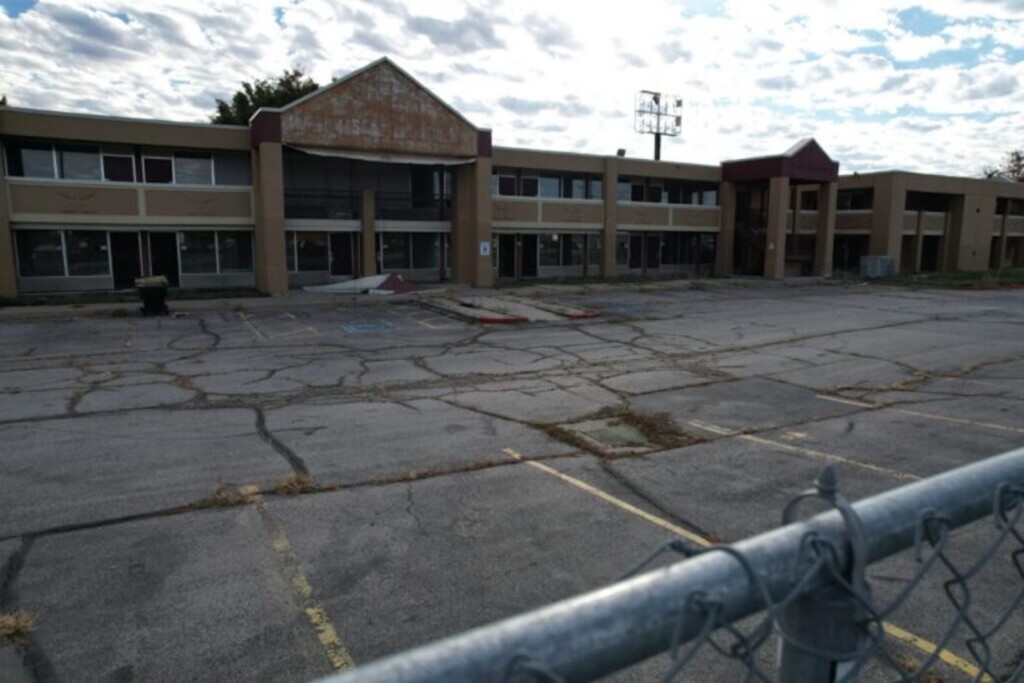
Providing homes for the homeless, or long-term supportive care has proven difficult if not impossible for some of Salt Lake City’s most well-funded organizations. Ask any business owner operating around the Gail Miller shelter, operated by the Road Home and they will report that crime has skyrocketed and their neighborhood has deteriorated. The same holds true for Geraldine E. King shelter operated by the VOA also in South Salt Lake. 

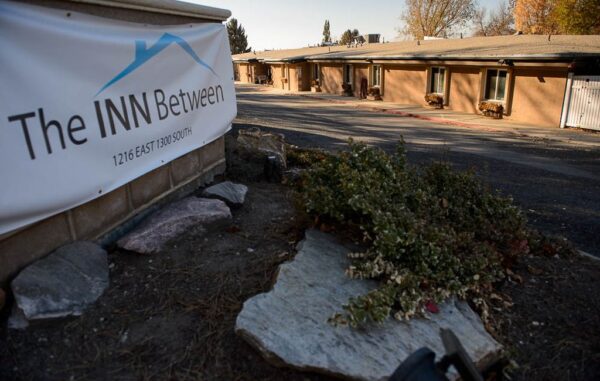
But one organization has proven to be a model and an asset to the neighborhood near Sugar Housed where it is located. This hospice and respite care facility is an exception, and has proven that the homeless can live in an affluent area and be good neighbors to those who live around them.

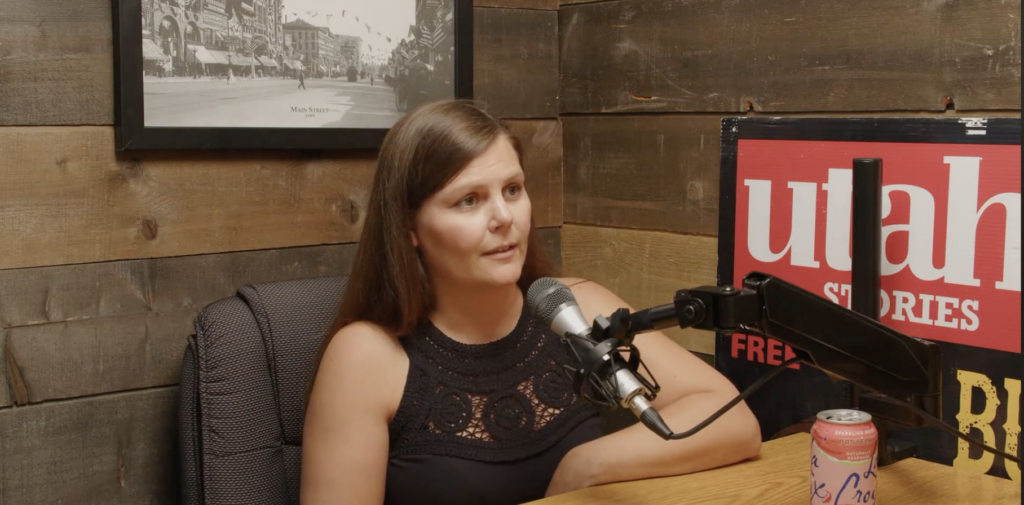
In this episode of Utah Stories, the spotlight is on Jillian Olmsted, CEO of The In-Between. This organization has successfully developed a unique model for creating an ideal resource center for homeless individuals while maintaining high standards for the neighborhood around them. The conversation delves into the organization’s inspiring approach to providing affordable housing and compassionate care for those in need.

“The people in the INN Between are so similar to you and I. We have had individuals who have been a nurse or a teacher and they got cancer and they lost their job, lost their house, and then they’re on the street with this medical crisis. So a lot of us are just a health diagnosis away from being homeless,” Olmsted said. 

The INN Between, located in Salt Lake City, strives to be a home for individuals without one, offering hospice services and medical respite care. Visitors entering are greeted with an inviting atmosphere: wood paneled walls; flower arrangements everywhere; and portraits of current and former tenants. This inviting and warm interior design and decor starkly contrasts traditional homeless resource centers. Jillian explained that the center was designed to resemble a natural home with living areas, a dining room, and individually decorated rooms that feel more like apartments than a clinical facility.

The INN Between maintains a “trust-based approach” towards its residents. Rather than treating them as criminals or suspects, the organization treats them with dignity and respect. Each resident received keys to lock their doors, allowing them to come and go freely. This approach fosters a positive atmosphere, with very few incidents of theft or violence.

Gaining Acceptance From Neighbors For A Homeless Respite in a Affluent Neighborhood

When The INN Between first announced their plans to move into a new neighborhood they were having difficulties with the residents and NIMBYism (Not in my backyard) sentiment.

“​​It was, and there were actually several times that we had to call the police. We had individuals coming into the facility under the guise of being visitors of our residents just so that they could kind of try and get the sneak peek of what was going on in the facility. It took well over a year for those few individuals to quiet down, and I think there just wasn’t really, none of their fears came true,” Olmsted said.

Prior to opening the facility residents were protesting the shelter opening in their neighborhood. As Olmsted said after having none of the issues the residents presumed to happen, the protestors quieted down. 

Recovery Through Compassionate Care

Olmsted shared some heartwarming stories of residents who have improved remarkably during their stay at The INN Between. Some residents, originally on hospice care, have recovered significantly, thanks to the compassionate support they received. The organization’s focus on medical respite care and end-of-life care has helped many individuals regain their health and dignity.

One resident named Patty was diagnosed with stage four cancer when she entered The INN Between. Her doctor said that she only had a few weeks left to live. 

“Patty entered the facility, there were a lot of people in the community that said good luck to her. She’s difficult, she’ll cause you lots of problems. She actually got discharged for breaking house rules, came back, and was ready to receive the help that we could give her. She just found out last week that she is in remission,” Olmsted said. 

Funding and Financing Challenges

Since inception, the INN Between has relied upon private foundations and individual grants to maintain operations. With no government funding long-term planning and stability are difficult. Olmsted believed a more permanent funding solution, possibly with government involvement, is needed to support their critical work. 

“I think that we need maybe the city or the state to come up with a solution with permanent funding so that the in-between has to operate year by year. Most of our funding comes from private foundations and individual grants,” Olmsted said.


, , , , , ,

Join our newsletter.
Stay informed.


  • Has Utah’s Soft-on-Crime Justice Reform Made Communities Safer?

    Has this “soft-on-crime” approach resulted in safer streets?

    SALT LAKE CITY — A decade has passed since former Utah Governor Gary Herbert signed a massive justice reform bill into law in hopes that the state could reduce its prison population and manage low-level offenders through rehabilitation programs instead of incarceration. Has this reinvestment resulted in lower crime and recidivism rates?

    According to the Utah Department of Corrections, that landmark Justice Reinvestment Initiative aimed to “continue holding offenders accountable and securing our communities, but in a way that considers individual risks and treatment needs.”

    Are communities really safer when mental health and substance use needs are addressed through programs administered outside prison walls? The idea was to treat criminals differently based on their mental health needs and backgrounds. But at least one retired Adult Probation and Parole Officer, believes this “soft-on-crime” approach hasn’t resulted in safer streets.

    LOOKING BACK

    State Senator Todd Weiler, in that legislative role since 2012, helped drive the passage of the Justice Reinvestment Initiative (JRI), a massive bill that enjoyed broad-based approval among state officials and the Legislature as a whole.

    In November 2014, Weiler attended the national summit on the issue in San Diego, an event hosted by Pew Charitable Trusts. 

    “I was very involved in it. We had a lot of high hopes,” Weiler, a Woods Cross Republican, said in a recent interview. “That was about the time we were finalizing plans for the new prison. And we actually said that because of JRI we don’t need as many beds because we’ll be incarcerating fewer people. So that new prison was designed with this idea.”

    A key part of JRI dealt with adjusting sentencing for crimes related to addiction, dividing offenders into two basic groups: dangerous criminals who are a threat to society (that group goes to prison), and low-level offenders who get help kicking addictions through state-sponsored programs or private-sector rehabilitation.

    “The ultimate goal was if we have an otherwise good person who got caught up in an addiction, and as a result committed crimes, they need to be punished for their crimes,” Weiler said. “It’s not that we’re going to overlook what they did, but we wanted to focus primarily on helping them overcome their addiction and [that means] getting them back to their job and their family.” 

    Before JRI, low-level drug offenders with felonies would spend years in prison, which wreaked havoc with their lives and future prospects. Addressing the root cause of their theft and property crimes through supervision and treatment made sense. 

    “We’re all imperfect people,” Weiler said. “So we want people working their jobs, paying their bills and raising their kids rather than sitting in jail and watching TV or playing cards.”

    To access this post, you must purchase Utah Stories (Digital + Print) or 3 month free trial (Digital).


  • How I Lost 120 Pounds and Changed My Relationship With Food

    Throughout most of my life, I used food to cope with chaos, depression, and pain I did not yet understand. By my early twenties, I weighed over 320 pounds and felt trapped in a body that limited every part of my life. This is the story of how learning about food, mental health, and habit-building helped me lose 120 pounds and rebuild stability.


  • Highway 6 and the Midland Trail: Utah’s Transcontinental Highway History

    From Price Canyon to Delta’s desert stretch, Utah played a central role in building the Midland Trail, one of America’s earliest transcontinental highways and the foundation of today’s Highway 6.


  • When Main Street Burned: The Aftermath of the Salt Lake City Fire That Hit Downtown Bars

    Fire doesn’t respect zoning, property lines, or even the most popular block on Main Street. On the evening of Monday, August 11, 2025, a blaze that began around 8:40 p.m. on Main Street. It moved quickly through a row of aging, interconnected buildings that had become the heart and soul of Salt Lake City’s fledgling bar district. By the time firefighters brought it under control, multiple businesses were damaged, dozens of workers were displaced, and one of the city’s most active stretches went dark.

    The fire started at London Bell and spread into neighboring structures, severely damaging Whiskey Street. White Horse never caught fire, but smoke, water, and a partial roof collapse caused extensive interior damage, forcing a full rebuild. Other nearby businesses were affected as well, including some that had helped turn this part of Main Street into one of its most active and economically stable stretches.