Dali Discusses His Story of Coming to America
The importance of immigrant success stories and the unique opportunities available in America cannot be overstated. In this compelling podcast, Utah Stories owner Richard Markosian shares his family’s immigrant background and the success they achieved by embracing opportunities in the United States.
Rich then interviews Dalibor Blazic, an immigrant from Serbia who came to America to work in the Grand America Hotel. Dalibor talks about his experiences before coming to the United States and his decision to stay. He initially planned to gain experience and return to Serbia, but he fell in love and decided to make America his home.
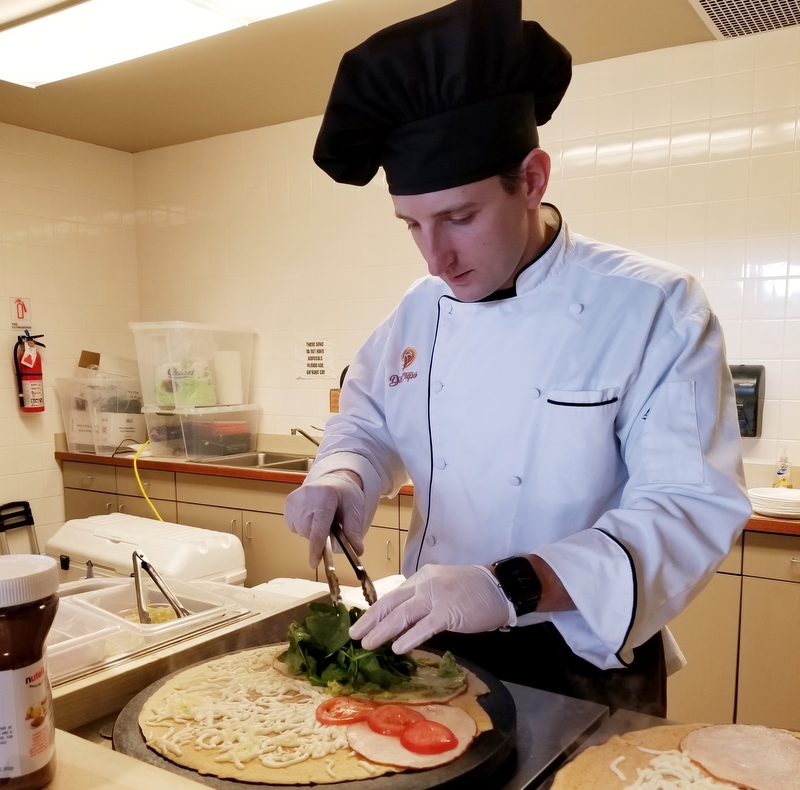
Dalibor started working at the Grand America Hotel and eventually started his own business. He began selling crepes at a local restaurant, testing different flavors and learning about customer preferences. He gradually saved money and invested in his own catering business; Dali Crepes. Despite working three jobs, Dalibor is determined to grow his business and provide excellent customer service. Over time, he expanded his operation, purchased more equipment, and took on more significant events, serving crepes to thousands of people.
Eventually, Dalibor faced a pivotal moment where he had to choose between his multiple jobs and focusing solely on his crepe business. He realized the need to prioritize his venture to continue its growth. Dalibor quit his other jobs and devoted his full attention to Dali Crepes. He reflects on the challenges of working for oneself and the satisfaction of taking that leap of faith.
“Oh, that is the biggest transition that somebody needs to make, to leave all the jobs and start to work for himself. That is huge. I believe a lot of people never do that one. And when they do it and they survive the first year, that is the biggest success that somebody can do,” Dalibor said.
The Beginning of Dali Crepes
Throughout the conversation, the importance of hard work, perseverance, and embracing opportunities shines through. Both Markosian and Dalibor highlight the unique possibilities that America offers to immigrants and the potential for success through dedication and determination.
Dalibor discusses his journey in the restaurant business with show host Markosian. Dalibor mentions the importance of having the right people’s support and being introduced to critical connections, especially when he first arrived in the country. They also discuss the challenges of finding kitchen space and the existence of places like Spice Incubator Kitchens that help entrepreneurs lease commercial kitchen space without the need for significant upfront expenses.
“I don’t say that is smart, but that is how I did it. We do a lot of farmer’s markets, a lot of festivals, a lot of small events, and in the spring we apply for the many festivals that we see,” Dalibor said.
Dalibor expressed his regret for not knowing about such resources earlier, as it would have saved him money on equipment purchases, allowing him to invest more in marketing and rent. They talk about Dalibor’s successful candy-making business, Sir Walter, which is set to open as Utah’s biggest candy shop.
The Future of Dali Crepes
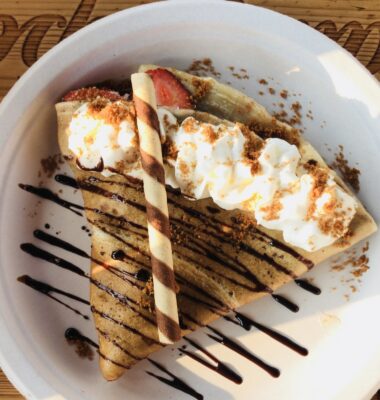
The conversation then shifts to Dalibor’s decision to open his physical location for his crepe shop. Dalibor reflects on the pros and cons of waiting to open his facility and mentions the importance of taking loans to accelerate business growth. They discuss the challenges of finding the right location and the eventual plan for opening a second location.
They also touch upon the importance of maintaining consistent quality and the increasing discernment of Utah customers regarding food. Dalibor emphasizes the need to treat every guest like it’s their first visit and the significance of word-of-mouth recommendations. They mention the increasing demand for quality and visually appealing food, and Dalibor explains his commitment to using fresh ingredients and constantly striving for excellence.
Towards the end, Dalibor talks about his plans for separating his brand into two different spaces: Dali Crepes, which offers sit-down service; and Dali Crepes To-Go, catering to customers in a hurry. He mentions his number of employees, the seasonal variations in workload, and how interested customers can hire his catering services through their website, www.dalicrepes.com.