If you’ve ever skied Brighton Resort, chances are you’ve glided right past the two-story, almost 100-year-old Wasatch Mountain Lodge without even knowing it. Located on the hillside above Brighton Inn, just a few hundred yards from the Milly Express lift, this large, log structure is hidden in dense forest.
“I first became acquainted with the Lodge three years ago same day loans 1000. It was love at first sight,” says JoDene Arakelian, vice president of the Wasatch Mountain Club Foundation.
Few people are aware of the Lodge’s existence. Fewer still know of its importance as a relic of the early days of Utah outdoor recreation.
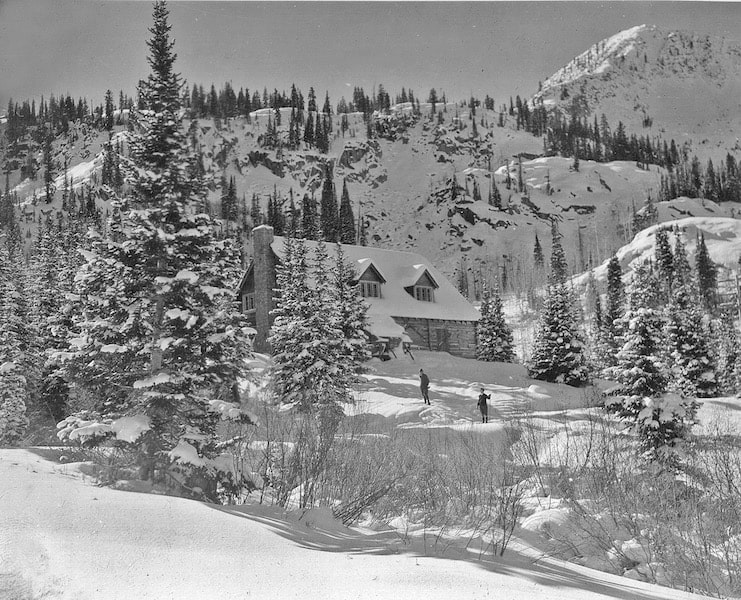
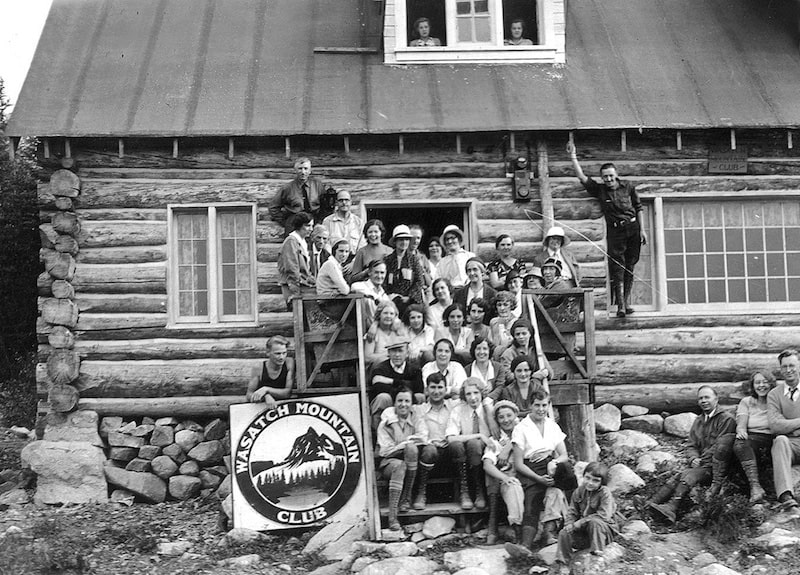
Wasatch Mountain Lodge’s history is intertwined with that of Wasatch Mountain Club, which was incorporated in 1920 to unite the energy, interests, and knowledge of students, explorers, and lovers of the mountains, deserts, and rivers of Utah. The lodge was built between 1929 and 1937, almost entirely through the labor of club members — an especially impressive feat, considering their efforts took place more than 50 years before the first state highway was built through Big Cottonwood Canyon. Upon completion, it became the club members’ base for hiking, climbing, and skiing at a time when travel into the canyon (completed on foot or via wagons, skis, sleds, or snowshoes) was a spine-jarring, day-long affair.
Another testament to the dedication of early members of the Wasatch Mountain Club to outdoor recreation was their self-built rope tow — no longer running but one of the first tow ropes in Big Cottonwood Canyon.
As time passed, the completion of Big Cottonwood Canyon Road, along with the manufacture of rugged, summit-conquering cars and increased snow clearing capabilities (first by the State Road Commission of Utah, and then the Utah Department of Transportation) made overnighting at the Wasatch Mountain Lodge unnecessary for Wasatch Mountain Club members seeking adventure in and around the then-unincorporated town of Brighton.
In 2010, Wasatch Mountain Club turned over ownership of the lodge to the Wasatch Mountain Club Foundation, a 501(c)3 non-profit charitable organization with directives to maintain and preserve the lodge, as well as to use it to inform people about the recreational value of the Wasatch Front’s unique canyons.
The Foundation made the Lodge available for rent to the public, and since then, the historic structure has hosted guests from all over the world for weddings, charity events, avalanche safety courses, yoga seminars, movie sets, and business retreats.
One of the few remaining original log buildings in the Brighton area, Wasatch Mountain Lodge was added to the National Register of Historic Places in 1980.
“I believe historic buildings need to be preserved to remind us where our societies were and how far we have advanced,” says Renae Olsen, board president of the Wasatch Mountain Club Foundation. “The lodge was here before the Big Cottonwood Canyon ski resorts were constructed. Preserving this building provides a great example of architectural, cultural, and social history in Utah. The building helps maintain continuity between the evolution of past and present social and economic activities.”
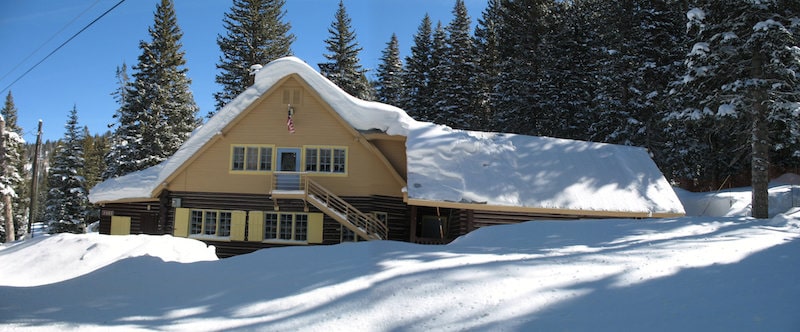
Since its last structural update in 2000, the Lodge has endured two decades of years of heavy snow and natural deterioration. Today, the Lodge is in desperate need of repair, and the Wasatch Mountain Club Foundation is asking the public for financial support. Now until December 1, all gifts toward Phase 1 of the cabin renovation count toward a matching gift of $50,000 pledged by the AHE/CI Trust.
Not only is the Lodge worthy of preservation as a venerable monument to Utah history, its location — in the middle of some of Utah’s best hiking, biking, picnicking, skiing, rock climbing, camping, and fishing spots — makes Wasatch Mountain Lodge a prime adventure base for outdoor enthusiasts of all skill levels. This is especially important after a year defined by sweeping COVID-related gathering space closures and social event cancelations and that threw a harsh spotlight on people’s strained relationships with nature.
“The people who used and worked on the lodge created friendships and relationships that have lasted decades, some as long as five decades,” Renae points out. “Memories were made in a rustic building that didn’t and still doesn’t have a big screen TV, hot tub, or fancy bathroom facilities. Instead, it offers the enjoyment of the outdoors while spending time talking and interacting with others.”
Renae, JoDene, and the rest of the board of directors for the Wasatch Mountain Club Foundation are working to ensure that Wasatch Mountain Lodge continues to serve as the bridge between people and the natural world well into the future, but they need your help.
Please visit the website to make a gift to the Foundation’s “100 More Years” campaign.
Subscribe to Utah Stories weekly newsletter and get our stories directly to your inbox
#mc_embed_signup{background:#fff; clear:left; font:14px Helvetica,Arial,sans-serif; }
/* Add your own Mailchimp form style overrides in your site stylesheet or in this style block.
We recommend moving this block and the preceding CSS link to the HEAD of your HTML file. */
(function($) {window.fnames = new Array(); window.ftypes = new Array();fnames[0]=’EMAIL’;ftypes[0]=’email’;fnames[1]=’FNAME’;ftypes[1]=’text’;fnames[2]=’LNAME’;ftypes[2]=’text’;}(jQuery));var $mcj = jQuery.noConflict(true);