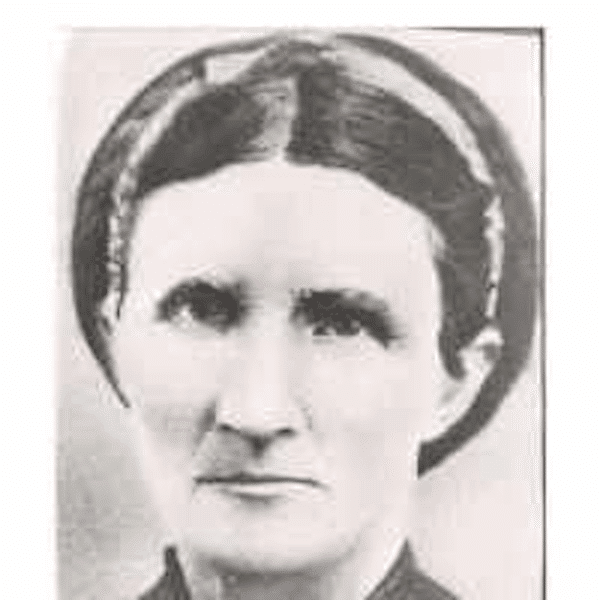
In 1873, Brigham Young issued a call that would give Utah a unique place in the history of women in medicine: “The time has come,” he said, “for women to come forth as doctors in these valleys of the mountains.”
Many Utah women answered this call, leaving their homes to study medicine on the East Coast. For others, however, Young’s declaration may have seemed a bit slow. After all, by 1873, Mary Heathman Smith had been practicing medicine in Huntsville for almost 10 years.
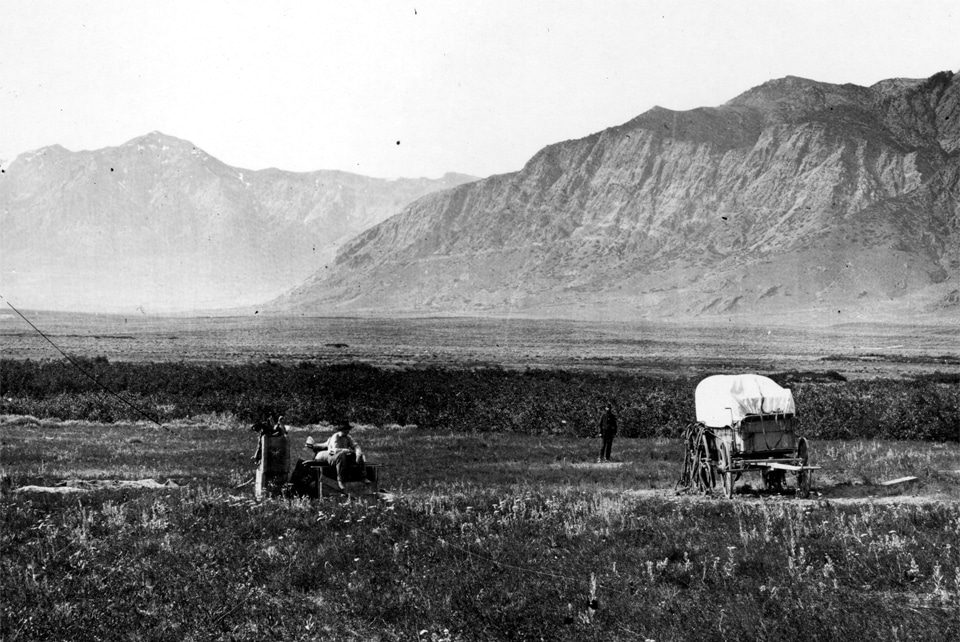
Mary trained in a maternity hospital and with local doctors in England before joining The Church of Jesus Christ of Latter-day Saints and moving to Utah. Her skills were invaluable in the secluded Ogden Valley where she settled with her husband and nine living children. For thirty years, she served as the valley’s doctor, midwife, nurse, and sometimes surgeon.
Mary’s son, William G. Smith said, “She brought about 1500 children into this valley. She was called Grandma Smith by everybody that knew her. She did all kinds of nursing for the sick men, women, and children.”
Granddaughter Della Smith Greenwell described Mary’s midwifery this way. “She would go to the home every day for ten days on a maternity case to bathe the mother and baby. The fee was $3.00 and many, many times she wasn’t paid, or would take a fee in eggs, chickens, or maybe a ham.”
Grandma Smith approached the level of legendary folk hero in the stories told by Ogden Valley residents, many of whom she had ushered into the world. She once encountered a bear as she walked up Ogden Canyon, escaping unscathed after engaging in some pleasant conversation with the beast.
Granddaughter Della said her grandmother was “known to use grandfather’s straight blade razor to amputate a finger or other small jobs of surgery.” When her husband John was mauled by a bear and came home clutching a chunk of his thigh, Grandma Smith sewed him together with thread from her sewing kit. Granddaughter Agnes Hislop Snooks said, “The weather was never too cold or the snow too deep for Grandma to go to help anyone in sickness or trouble.”
Despite her larger than life persona, the common thread in all of the memories of Mary Heathman Smith is her happy disposition. Her son William said of her, “She was always cheerful. She would bring a smile and sunshine into the sick room.” And according to granddaughter Della, “Mary Heathman Smith was loved by all who knew her.”
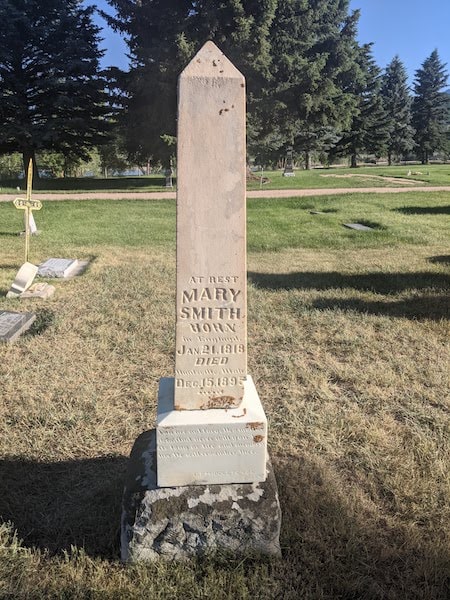
On her deathbed, Mary had three requests of future Church president David O. McKay (whom she’d delivered). First, she wanted the church bells to ring her out, per English tradition. Second, according to William, “She wanted a bouquet of ripe wheat placed on her casket, symbolizing that wheat had lived its time, but by planting it in the ground, it would rise again.” Third, she asked to be buried in the same grave as her husband. All three requests were granted.
In 1937, the Daughters of the Valley organization erected a monument in Huntsville dedicated to Mary Heathman Smith and her legacy. The brass plate reads in part, “For 30 years, in storm and sunshine, during the bleakest winter and darkest night, with little or no remuneration, she attended to the people of Ogden Valley with a faithfulness unexcelled.”
Subscribe to Utah Stories weekly newsletter and get our stories directly to your inbox