
Big tech is censoring us, tracking us, selling our personal data to corporations to advertise to us more efficiently. We buy everything on Amazon, book our hotels on Expedia and rooms on AirB&b, get around on Uber and get all our news from YouTube and Facebook. We make Silicon Valley executives and Wall Street investors insanely rich, while our local small businesses and our communities deteriorate. “Expect another round of PPP!” they inform us.
The middle class, the working class, and all non-tech workers watch their spending power decline: food, gasoline, and especially housing costs are going nuts. The middle class is shrinking. The homeless population and subsistence class are increasing. What can we do?
Utah’s Housing Crisis is exacerbated by the fact that California’s residents are in a “mass exodus”. Expect higher housing costs as more transplants move here. It is hard to see any path that doesn’t result in massive inflation. The Fed is painting a rosy picture but nobody is buying it.
The government increased our money in circulation by 40% in just 14 months. All of this “free money” and $4 trillion in stimulus spending doesn’t happen without a major currency devaluation. So what do you do?
So What Do You Do?
It’s time we all fight back by embracing the “urban homestead movement”. Pay off your house or buy a mini-house and grow your own food. Learn to grow, harvest, share and put-up and preserve extra. It’s time we return to the land. The land provides. We have forgotten this. We don’t need to dump petroleum-based products into the land, nor use giant tractors, nor trust factory farms and Big-Ag if we return to the basics.
“Defund the police!” They cry. Yea brilliant (insert sarcastic tone). How about instead we divest from Wall Street and big tech? Bring the power back to the people and communities? Why not invest in our local economies? Those are not only sound ideas but the only ideas that could still preserve our freedom, liberty, privacy, and sanity.
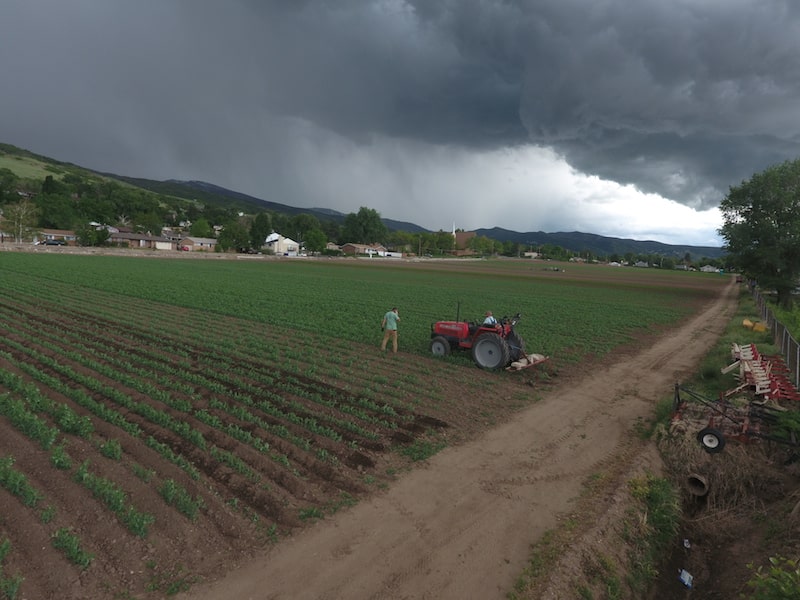
Urban Homesteading is not “tuning in and dropping out” — as the misguided back-to-the-land movement transpired in the 1960s, but it’s “tuning out and settling in” — tune out of the clamor, fear, and hysteria found on social media, and settle into your backyard garden, community gardens, container gardens, or local farmer’s market or farm-to-table restaurants. Divest from Wall Street chains and support local food.
Whatever means we can use to return to settling back into our local communities, from rebuilding our local food supply to supporting local farmers and local food, we need local self-reliance and a strong local economy now more than ever.
They have used Covid as a tool to obliterate our locally-owned businesses. In the process, our civil discourse, civil liberties, and individual rights have eroded like never before. Our sense of identity gained from our local communities is eroding as local retail and restaurants go out of business.
Media fear-mongering and indoctrination in Universities is transforming young, otherwise intelligent people into tribalists who chant slogans, repeat talking points, seek to cancel in the name of “wokeness” rather than understand history and facts. In the process, we are tearing ourselves apart along political lines. This is by design. The government and giant corporations both want us to need them even more. We are the pawns that enthrone them and enshrine their power. Do you feel safe being a pawn?
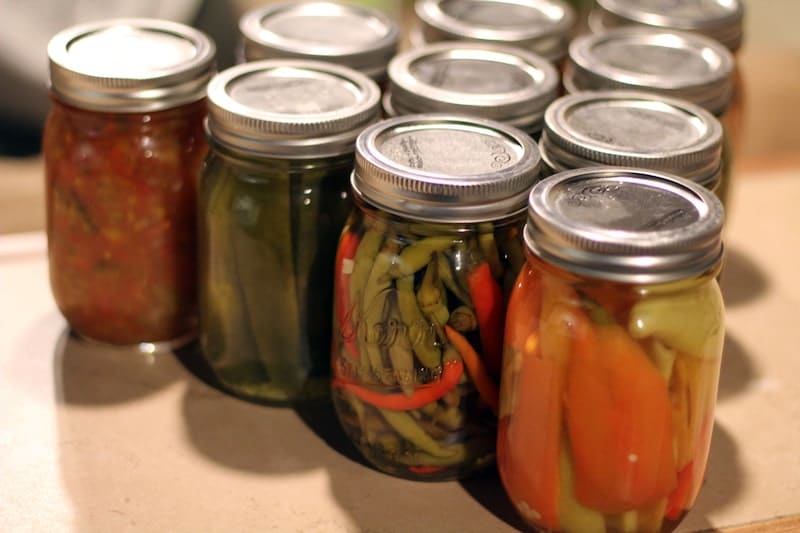
There is a real world, a world where we can grow our own, enjoy the bounty of the earth, the sun made possible by a little sweat from the human brow, and it’s a far superior world to the world they are trying to sell us. Tune out and settle in.
MORE STORIES ON BACKYARD GARDENS:
Urban Homesteading Example 20,000 Pounds From Backyard Garden
Backyard Urban Gardens Bring Garden Bounty Right to your Doorstep
Growing Up Before Your Very Eyes: Backyard Urban Gardens
Urban Gardening: Self-Sustaining Lifestyles
Wasatch Community Gardens: cultivating good health for your body, for your community
Subscribe to Utah Stories weekly newsletter and get our stories directly to your inbox