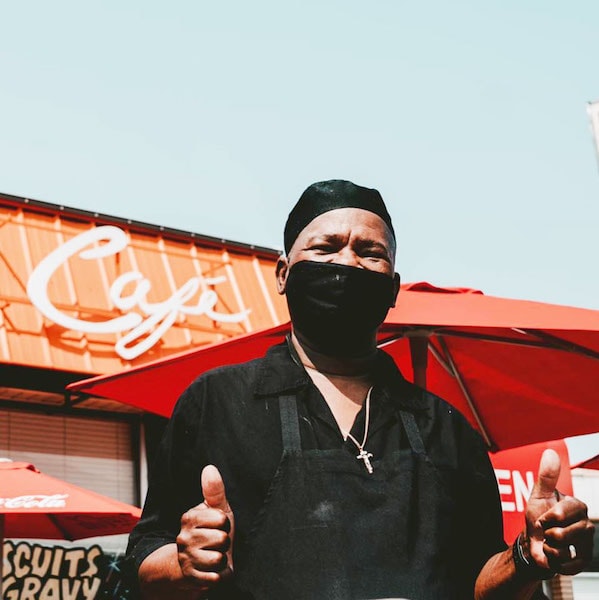
When the Utah economy shut down in March, national conglomerates received billions of federal dollars in bailout funds, but small businesses were left out in the rain with no umbrella.
At a quaint location on State Street in Orem, Texas-born Joe Hicks serves comfort food with a Southern flare. Black-owned businesses such as Joe’s Cafe cite that their clientele numbers have dropped. During the quarantine, many retailers had to shut down altogether, but restaurants adapted by remaining open for delivery and takeout. It can be a struggle to get non-ethnic Utahns to patronize a business like Joe’s over the longer-established retailers or online markets, but the restaurant maintains that they’re getting back on track with a safety plan and help from the Black Lives Matter movement.
The social paradigm shift helped channel support and raise awareness for Black-owned businesses. Due to overwhelming support from the community, Joe’s Cafe reported longer-than-average wait times to seat customers in early June — a rare feat for a black-owned Utah County business (a county that is home to a 90% white population).
Joe himself commented, “Yeah we’ve had people coming in to support us during hard times because of the huge shift to focus on black business. It took a while to establish the place when we first opened, but I never dreamed we’d have lines like this.”
But many businesses wonder if this new kind of attention is here to stay. How much of the new business is the result of activists doing their part to support the business, then not coming back once it is no longer cool according to Twitter? But there isn’t time to worry about that when many places are just trying to make their business accessible while cases rise.
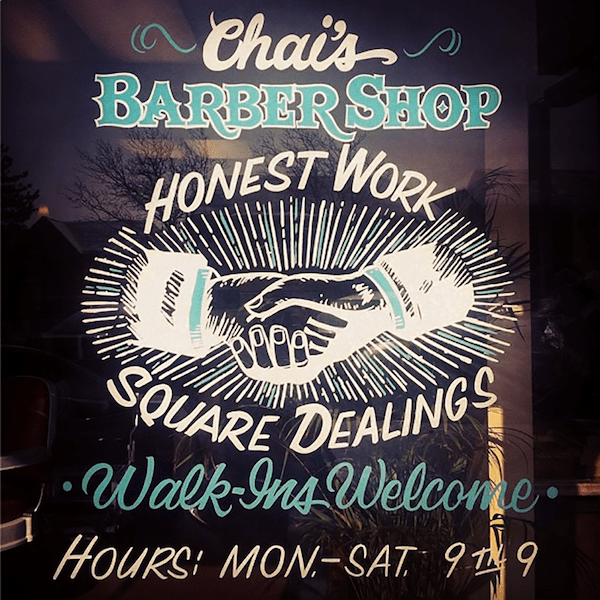
Chai’s Barbershop is one of many parlors trying to find its way around this hairy situation. With their slogan, “You’re only as good as your last haircut”, Chai’s receives rave reviews from customers and rates 4-and-a-half stars on Yelp. Customers appreciate the amount of time Chai and his staff devote to a custom haircut as opposed to a 12-minute clip job at those chain places.
Chai, the shop’s owner, says, “We’re moving forward with trying to create a safe space. We got new procedures our employees and customers have to go through. We clean regularly. Everybody washes their hands and disinfects regularly. We’re trying to get people back in here.”
In a business that is so touch-oriented, creating a safely hygienic workspace can be difficult. But, by frequently cleaning and disinfecting, his team is doing it. The barbershop has also seen an increase in business. Chai said, “I think the color of my skin has a lot to do with it. We are getting more business, but it shows me a lot of places are a ‘black-owned place’ instead of just a business.”
Black-owned businesses in Utah have traditionally been hurdled with their own set of challenges, but the pandemic adds a new threat. Joe’s Cafe, for instance, now requires that all customers enter the establishment donning face masks — a challenge for many Utah County businesses to overcome due to customer resistance. The toughest thing in all of these businesses, next to the potential for getting sick, is the loss of income, which for some can lead to other health risks and a lack of health insurance.
These businesses and others hope the new hygienic regulations they put in place will help spike business but not Covid cases.
MORE STORIES ABOUT SMALL LOCALLY OWNED SHOPS IN UTAH