Inspiration

Keira Shae: Writer Survives the Unimaginable

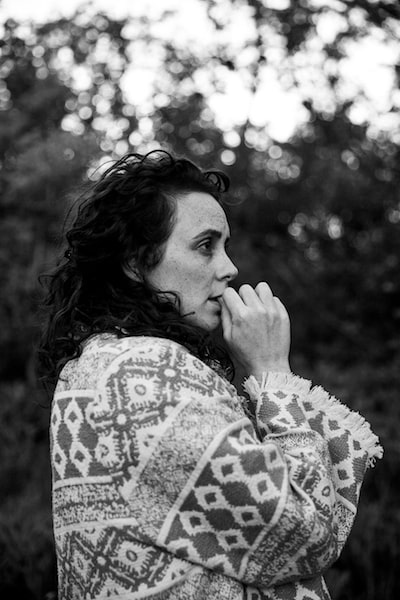
in her memoir, How the Light Gets In Keira Shae talks about growing up in poverty, neglect, mental, physical, and sexual abuse.

|


Keira Shae
Keira Shae

While other children were enjoying their summer breaks, Keira Shae recalls how she was being repeatedly raped by the 18-year-old son of her mother’s then-boyfriend at the age of eight in Utah County.

It wasn’t the first time she and her siblings were sexually, emotionally, and physically abused, as she wrote in her memoir, How the Light Gets In, published in 2018 by BCC Press (By Common Consent, a non-profit LDS publisher) and available for sale on Amazon.com. 

It was the 1990s, and Kiera’s methamphetamine-addicted mother suffered from mental illness, delved into prostitution, was often imprisoned, and couldn’t care for her five children, Kiera vividly remembers. 

Her harrowing upbringing was fodder for the book and helped her release some of her angst about growing up in poverty, neglect, and abuse, even in what is known as “Happy Valley.” 

Seemingly against all odds, the 31-year-old author, mother of three, and dedicated Mormon wife, has made giant strides in trying to overcome her disturbing past and wants to help other youth who feel abandoned, unloved, and trapped.

abused children in Utah

She plans to have her master’s degree in educational psychology from Utah State University in 2021, and will engage in counseling teens. But reconciling her brutal childhood is a daily struggle, and she still sees a therapist weekly. 

Being honest and journaling provided what she calls an exorcism from some of her pain. By telling her story, she wants to encourage minors to seek help from trusted adults, including teachers, neighbors, or church leaders, but she also wants them to know that reporting abuse to police and child-welfare workers likely won’t resolve everything overnight, especially with older kids who have a more difficult time being adopted than infants.

“Just because you report it doesn’t mean it’s going to solve your problems,” Kiera says, bringing up how, when authorities came to investigate abuse claims, she and her siblings often hid in the basement and lied as coached by their mother, or else suffered harsh beatings. 

“It’s a lot more complicated than you think. There is no knight in shining armor. It’s more a network of hands; like a quilt for a soft place to land. Everybody’s help is needed, but you have to make the jump. You have to work on it,” Kiera says.

After running away multiple times, then returned to the chaos, she was asked if she wanted to be placed in foster care, and she emphatically agreed. 

“My mother said, ‘You would rather go with strangers than be with me?’ I would rather be under a bridge,” Kiera told her.

Fortunately, she lived with a caring family for about a year and turned to the power of prayer at an acquaintance’s urging. Although she had prayed for years, a peace finally came over her, and she worked hard at part-time jobs, finished high school, and graduated with a psychology degree from Utah Valley University (UVU).

“I basically exist because of the charity of others,” she says. She even wrote a letter to taxpayers thanking them for turning her life around, mentioning the aid of food stamps, Sub for Santa, Medicaid, and other programs:.

But others give her more of the credit, saying her spirit to live and thrive ultimately changed her life for the better. Instead of succumbing to drugs and trying to escape her history, she pulled herself out of the deep, scarring crevasse, albeit with the help of kind people, some of whom let her down. She now knows that in some cases their hands were tied legally. Although she still believes the system for protecting children is flawed, she thinks the power of communication and understanding is key.

Matthew Draper, her former psychology professor at UVU, quickly realized that Keira stood out and recommends her memoir to his patients who have shared “terrible backgrounds.” After she took one of his courses, he asked her to be a teaching assistant, but their busy schedules prevented that.

“I was so impressed by her intellect, her demeanor, and how she conducted herself,” Draper says. “Keira could respectfully talk with me and not put on airs. There are no airs. What you see is what you get.”

He has complete faith in her ability to heal others.

“She doesn’t care where you’re from; she wants to take care of you,” he says. “She is a genuinely compassionate person. She has every reason to distrust people and not like other people, but she doesn’t. What I would hope for her are as many tears of joy as of sorrow.”


 

, ,

Join our newsletter.
Stay informed.


  • Left in a Box as a Baby: Trauma, Alcoholism, and Addiction

    A man abandoned as a baby builds a structured life in law enforcement, but unresolved trauma and alcoholism slowly begin to unravel it. His story raises a harder question about how change actually happens.


  • Cottonwood Heights Corruption Allegations: A Case That Never Reached a Courtroom

    A year ago, we here at Utah Stories recorded a podcast episode that we never published. We were revisiting corruption allegations from ten years ago. We decided not to publish the video, so it sat there on YouTube for nearly 12 months.

    Then somehow the video was published. How? We are not sure, but once it got out there, the comments came pouring in.

    Dozens of viewers, then hundreds, supported the video with their comments on our examination of allegations of police misconduct in Cottonwood Heights. The video recounts how the Police Department was reported by business owners as focusing enforcement on customers of the former Canyon Inn bar. These allegations did not result in a publicly documented, full investigation by Utah’s Justice Department nor the FBI (at least to our knowledge). So why rehash the past?

    We believe the story of The Canyon Inn (and other area business owners) vs. CHPD and Cottonwood Heights Mayor Kelvin Cullimore raises questions about what can happen when allegations surface and do not move forward through a formal legal process with state or federal oversight.

    In 2012, Cottonwood Heights business owners at the mouth of the canyons began publicly objecting to police activity whereby up to seven cruisers were pulling over 711 and Canyon Inn bar customers on their busiest evenings.

    According to those accounts, drivers leaving the bar were frequently pulled over by police and were given DUI tickets, sometimes even after passing a sobriety examination. The volume and concentration of those stops led residents and business owners to complain about the “heavy-handed treatment” of CHPD toward motorists, especially in and around the Canyon Inn and neighboring 711, and eventually the Porcupine Pub.

    Customers responded in predictable ways. Some chose not to return and avoid the area. Others went to different establishments. Over time, the owner of the Canyon Inn, Jim Stojack, stated that his revenue declined by 70% and that he believed police activity near his business was the main contributing factor.

    Utah Stories reported on these concerns by conducting interviews; gathering video documentation provided by those involved; and making public records requests. Through our GRAMA requests, we reviewed DUI citations issued by the Cottonwood Heights Police Department and examined how those cases were resolved in Holladay Justice Court. During that period, we observed a higher number based on our review of DUI cases dismissed in court due to lack of evidence compared to other jurisdictions. One DUI attorney, Tyler Ayers, went on record saying that CHPD was issuing a high volume of DUI citations that were later dismissed.

    That observation raised questions about how cases were being documented and prosecuted. It did not, on its own, establish intent or misconduct, but it became part of a broader set of concerns raised by multiple sources.

    Continue reading and support independent Utah journalism with a purchase of Utah Stories (Digital + Print) or 3 month free trial (Digital).


  • The Perfect Girls’ Day in Park City: Brunch, Shopping, Spas & Nightlife

    After a week of work, grocery shopping, meal prep, driving the kids around, housework and last minute emergencies, a day of bonding and fun with our BFF’s is just what the doctor ordered. Fortunately, one of the best getaways is just a short drive away to Park City.


  • The Stratos Project Was Already Approved. So Why the Public Meeting?

    Thousands showed up to protest. The decision may have already been made.

    When thousands of Box Elder County residents packed the fairgrounds to protest the proposed 40,000-acre Stratos data center, they thought they were confronting the people in charge.

    They weren’t.

    The county commissioners stood at the front of the room, absorbing the anger, the frustration, the disbelief. They looked like decision-makers. But by their own account, they weren’t.

    Because the decision may have already been made—long before the public ever showed up.

    The Illusion of Authority

    What happened at that meeting wasn’t civic engagement. It was something closer to theater.

    No meaningful public comment. No real debate. No clear path for residents to influence the outcome. Just a room full of people reacting to a project that, structurally, may already be locked in.

    Why?

    Because the real authority doesn’t sit with Box Elder County.

    It sits with the Utah Military Installation Development Authority.

    Once MIDA designates a project area, the rules change. Local zoning can become irrelevant. Private land stays private. Water rights remain private. And the role of local government shifts from decision-maker to facilitator.

    In plain terms: the county doesn’t decide if the project happens. It helps manage how it happens.

    So when residents showed up demanding answers, they were asking the wrong people.

    A Process That Skips the Public

    That should concern anyone paying attention.

    Because it flips the normal order of things. Instead of:

    Proposal → Public input → Decision

    We get:

    Decision → Public meeting → Reaction

    And by the time the public enters the room, the real levers of power have already been pulled.

    So what exactly was that meeting?

    If commissioners don’t have authority to stop the project, then the meeting wasn’t about deciding anything. It was about absorbing pressure. Managing optics. Creating the appearance of a process that had already moved on.

    That’s not transparency. That’s choreography.

    Follow the Missing Pieces