Which came first, the chicken or the egg? In the Intermountain Farmers Association history, the egg came first.
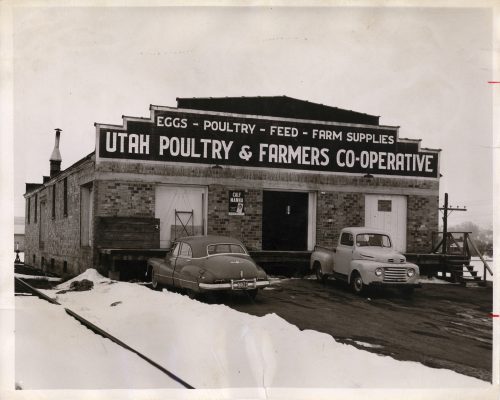
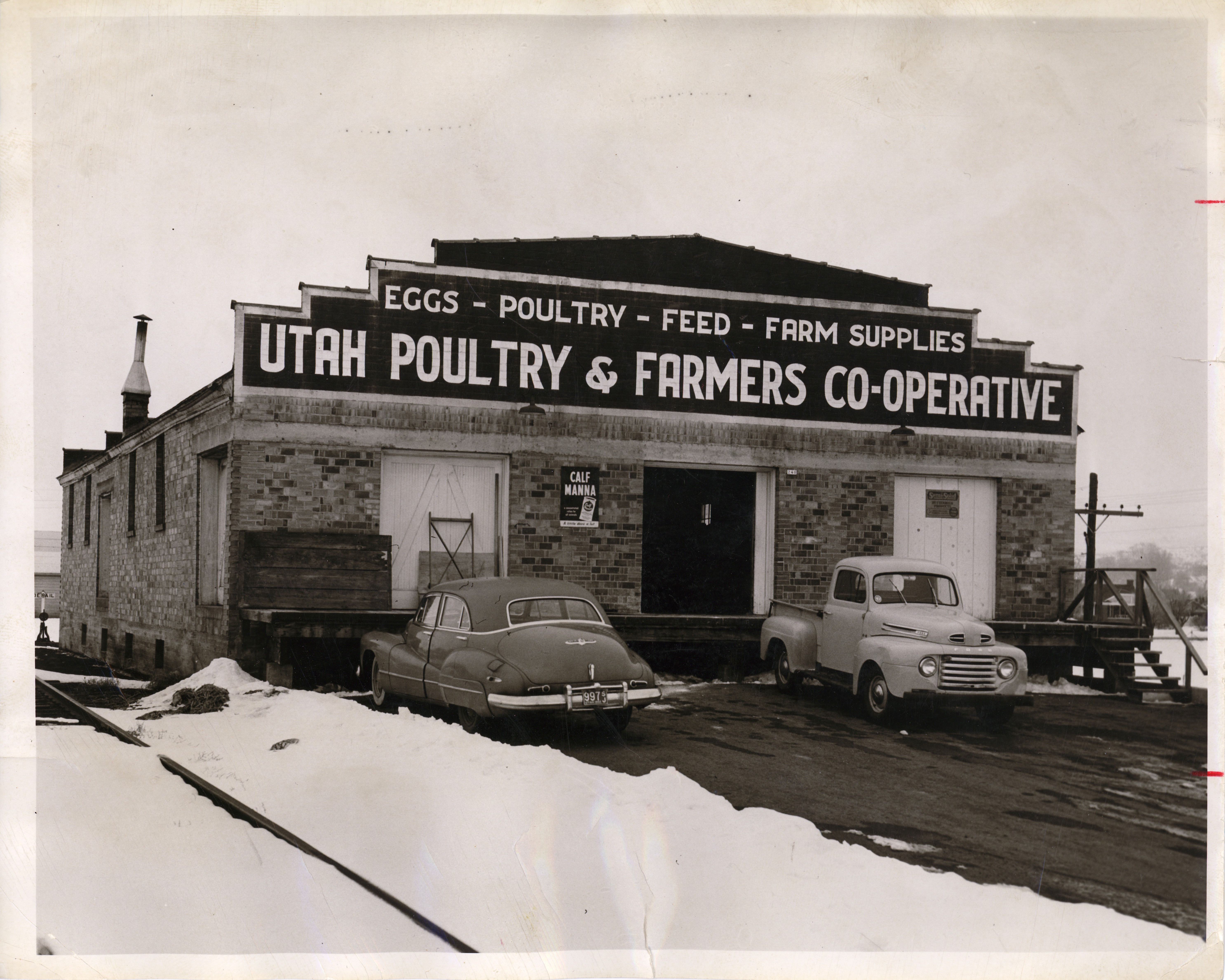
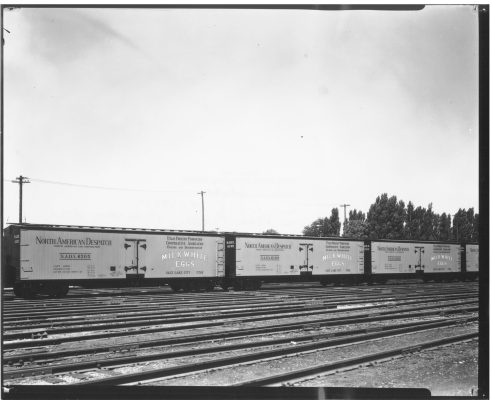
Launched in 1923 as a business cooperative to boost local economies, the Utah Poultry Producers Association achieved success by quickly establishing egg receiving plants in key Utah locations. Recognizing market growth in other commercial territories, the organization expanded operations and created an egg distribution network that included shipping tens of thousands of eggs by rail to locations such as Los Angeles and New York City. Even more brilliant than their shipping logistics was their “Milk White” egg marketing strategy.
“At the time, the brown egg was the most common,” notes IFA Marketing VP Brad Camp, but the co-op succeeded in persuading American consumers that they wanted the egg produced by Utah’s White Leghorns.
WWII, however, disrupted the co-op’s supply chain. “A lot of our eggs went to the war effort,” Brad recounts, and with the shift in the post-war economy, the co-op lost big city markets. Regrouping, the co-op responded by determining how they could best serve the local ag community. They started supplying feed to all Utah’s ag producers and identifying other products that their customers needed and wanted.
That trend continued through the mid-20th Century, and in 1960, the Utah Poultry & Farmers Cooperative reorganized and became the Intermountain Farmers Association. The new moniker best represented the scope of products, such as feed, fertilizer and farm supplies that the co-op offered. As they have evolved, IFA management also has focused on providing members professional agricultural advice, as well as sharing expertise with non-member store customers.
“Our brand promise is ‘Helping to grow the things you love,’” Brad asserts. “That can be helping ag producers grow food to feed the community, or helping an individual grow the best tomato.”
For example, certified crop advisors will work with ranchers or farmers to create customized fertilizer applications, or the city homeowner wanting the perfect urban lawn can follow IFA’s 4 Step Fertilizer Program which uses IFA-produced lawn care products specially formulated for Intermountain West soil. Members and customers both benefit from IFA’s quality products, expertise and customer service.
IFA has been quick to recognize changing agricultural needs as development continues to reshape the Wasatch Front landscape. Marketing coordinator Rebekah Oman points out that employees at IFA stores provide urban customers support on their back-to-basics journey, offering advice on gardening, raising chickens or beekeeping.
And the IFA sells much more than feed and fertilizer. Shopping in the Salt Lake City’s store, you can find children’s clothing and toys, barbecue sauce and fig jam, jewelry and skincare products, along with bat houses and pet accessories. Country music provides the backdrop as good-natured employees ask how they can help.
“We never want to lose our level of personal service,” Brad says. Personal service, quality products, expert advice, as well as responding to an ever-changing economic climate have made the IFA one of the country’s most successful and long-standing co-ops.
Salt Lake’s IFA Country Store location is 1147 W 2100 S. Open Monday – Sat, 8 am to 7 pm