Online Exclusives

Salt Lake’s Parking Meter/Sales Tax Connection

The increase in parking meters fees not only hinders shoppers it hasn’t lowered taxes or fees

|


Has the increased parking meter fees help alleviate fees and taxes in Salt Lake City?

Art Raymond, Deputy Director of Communications, Office of the Mayor, says, “No fees or taxes have been reduced, but the revenue from the new parking meters has helped in keeping fees and taxes stable. All money collected from the parking meters goes into the General Fund.”

Blue-MonsterParking meter fees make up about two percent of the General Fund, which is the primary source of funding for police, fire, parks and streets. Taxes, fees, fines and forfeitures are where the rest of the money comes from to make up the General Fund, according to the Salt Lake City Budget Summary.

Last year’s revenue from the parking meters were around $2.4 million. This is a substantial increase from the coin meters in 2011 which brought in $1.1 million.

On the flip side of this increase to the General Fund is how the new parking meters have impacted the local businesses in a negative way.

“People still aren’t comfortable parking here, they pull in, look around and then they take off. I don’t know why that is,” asserted Carmen Arthur, owner of Carmen Miranda’s Antiques, located on Broadway. “I see this happen daily.”

“Traffic on Broadway (300 South) has gone down considerably from when I moved in about five years ago. It has nothing to do with the economy, the economy is supposed to be rebounding right now. I just think it is the parking here and the lowered speed limit of 20 miles per hour. They don’t want to come down Third if they have to go a turtle’s pace,” says Arthur. “People say they avoid Third, that is a sad note that they won’t even come down here to shop or to walk around. It’s a pretty street, it really is a pretty street,” adds Arthur.

Boutique clothing stores, coffee shops, restaurants, art galleries, antiques shops, bars and a garden store are a sample of the types of unique businesses you can find on Broadway. The Salt Lake Gallery Stroll held on the third Friday of every month is a great way to visit and support locally owned small businesses.

,


Join our newsletter.
Stay informed.


  • The Utah Farm That Refuses to Give Up as Development Closes In

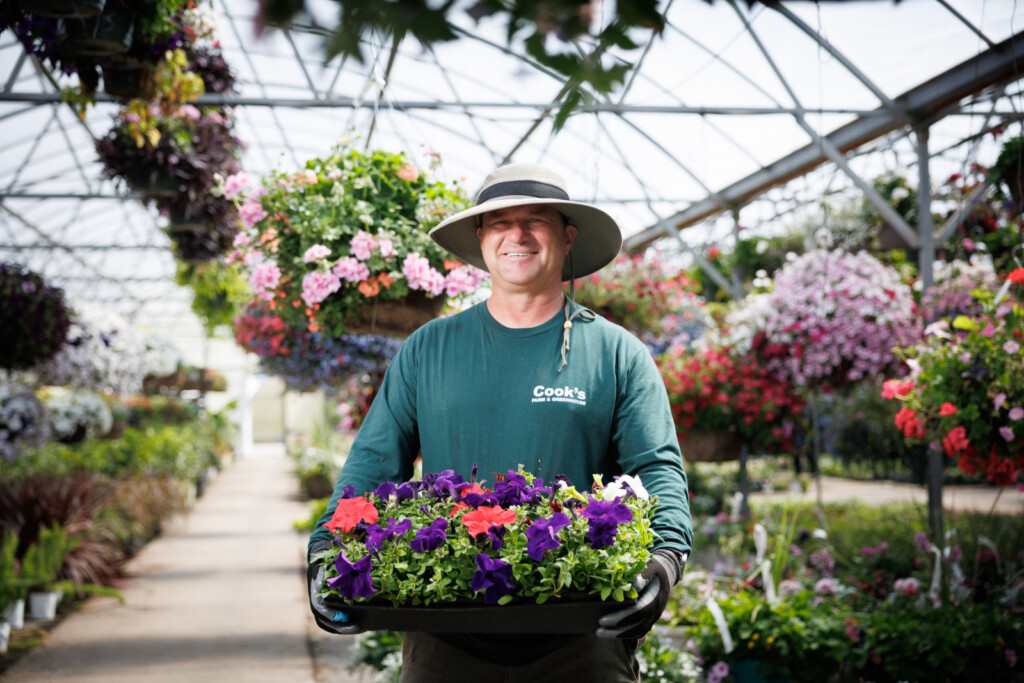
    Running a farm is hard enough, but rapid city growth makes it even tougher. More than a decade ago, the late Verl Cook faced a series of staggering hurdles that threatened to wipe out his family’s livelihood.

    First, the city decided to treat the Cook’s greenhouse — the most profitable part of the farm — like a big-box retail store. They demanded the family build a paved parking lot, a project that would cost $200,000.


  • Future Craft Farm Launches First CSA Season in Salt Lake City

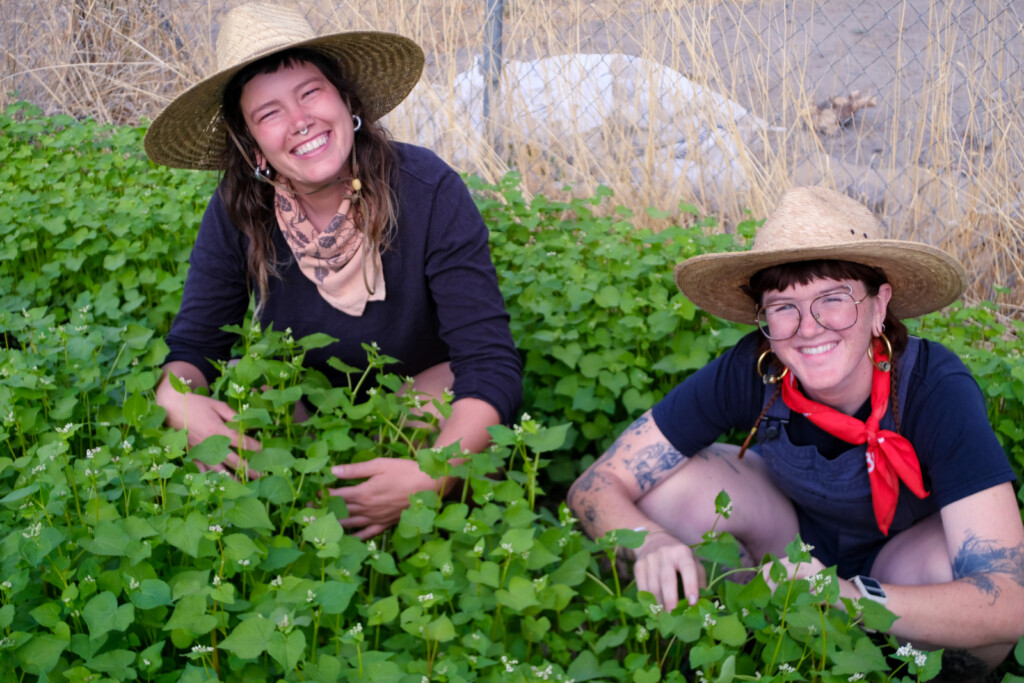
    Hall and Scheig found their land last June and broke ground just two months later, transforming what was essentially a blank canvas into a diversified market garden. This year marks their first full growing season, and they’re launching it with a community supported agriculture program, or CSA. CSAs allow people to support local growers by purchasing a season’s worth of produce upfront, giving farmers the financial stability they need during the most expensive part of the year.


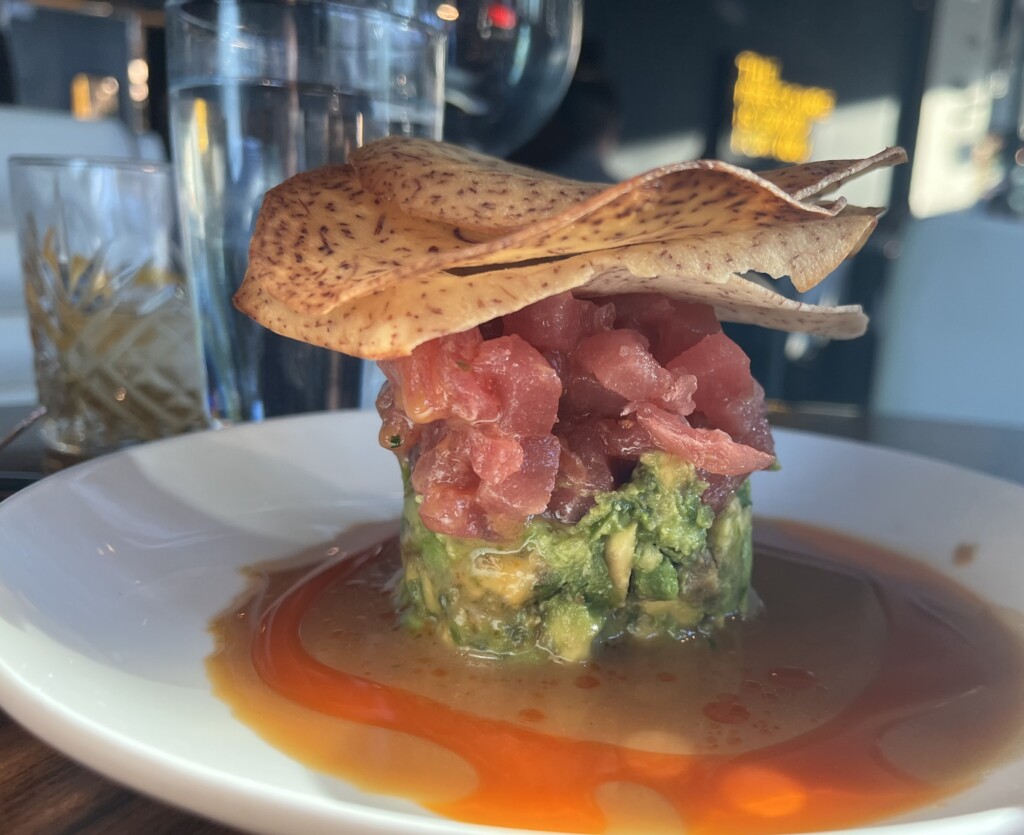
  • A Perfect Night in Downtown Salt Lake City: Little America, Beerhive, and STK

    Staycations in one’s own town always sounded to me like something old, feeble, and tired couples do. For younger people, adventure has always seemed to inhabit the other side of the fence, right alongside the greener grass.

    But sometimes extreme situations call for extreme measures.


  • Farm-to-Table in Utah: Why More People Want to Know Where Their Food Comes From

    When was the last time you plucked a chicken? How about threshing wheat or milking a cow? For most people today, the answer is never. What used to be a daily survival skill has slipped into the history books, while farmers, ranchers, and a multitude of other hands continue to prepare, package, and produce the food we buy at the grocery store.