
Online Exclusives

Greg Miller to Step Down as CEO of Larry H. Miller Group of Companies

Major changes to take place immediately at LHM Group of Companies. What does this mean for Utah?

|

greg miller

greg miller
Greg Miller, former CEO of LHM Group of Companies

After seven years as CEO of the Larry H. Miller Group of Companies, Greg Miller has announced that he is stepping down to pursue personal interests. Gail Miller, owner of the LHM Group announced today that she would transition the Group to a new corporate structure. The new structure, which will include an outside board of directors, is designed to provide for multi-generational family ownership and future growth. In addition to Greg’s departure from his day-to-day role, Steve Miller has also chosen to step down from his role as president of Miller Sports Properties to assist in other areas of the family’s interests. Bryan Miller will retain his position as President of Miller Inspiration. All three will fill roles in family governance.

Greg Miller said: “This is the right move for me personally, for my family and for the business. It has been a privilege to fill the role of CEO and to be a steward of this outstanding organization that my parents sacrificed so much to create and develop. The Larry H. Miller Group of Companies is now entering a new phase and requires a new structure. I have been fortunate to have worked with some of the best and brightest people anywhere.”

The Larry H. Miller Group has experienced unprecedented growth during Greg’s tenure. Under his leadership the Group has doubled in revenue and number of employees and now includes more than 80 companies across the United States. He also led the Utah Jazz through some of the most challenging years in franchise history overseeing numerous changes involving coaches, players and front office staff.

The Larry H. Miller Management Corporation under the direction of Clark Whitworth, its president, has assumed Greg Miller’s responsibilities. Jim Olson, currently chief operating officer at Miller Sports Properties, will assume Steve Miller’s responsibilities on an interim basis. The presidents of the other enterprise groups will continue in their current roles.

Gail Miller, owner of the Larry H. Miller Group of Companies said, “Today is a significant day in the history of this company. The changes announced in the organizational structure of the Group are a natural evolution of a large and growing enterprise. Larry’s dream was for our businesses to survive the two of us well into the future. This change will provide the structure for that to happen. Greg was successful in taking over for Larry while facing one of the toughest economic times in our country’s history. He has done an outstanding job leading this organization and his many accomplishments will have a profound, lasting effect on our family businesses and our communities for generations to come. I am extremely proud of the work he has done and very appreciative of his excellent leadership these past seven years.”

Contrary to internet rumors, the Utah Jazz will NOT be leaving Utah. 

Join our newsletter.
Stay informed.


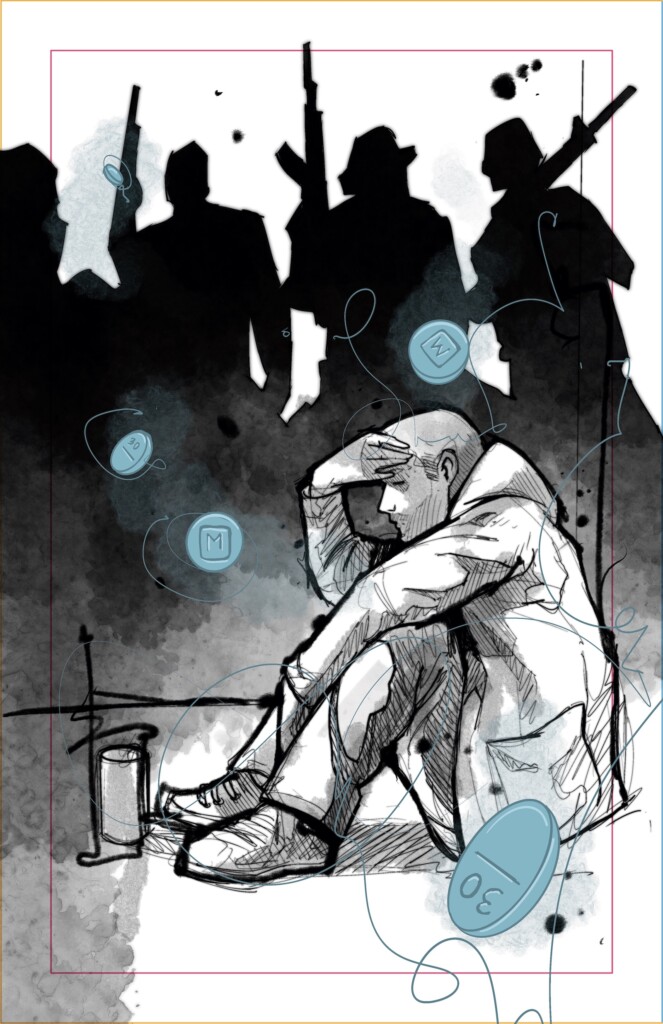
  • Left in a Box as a Baby: Trauma, Alcoholism, and Addiction

    A man abandoned as a baby builds a structured life in law enforcement, but unresolved trauma and alcoholism slowly begin to unravel it. His story raises a harder question about how change actually happens.


  • Cottonwood Heights Corruption Allegations: A Case That Never Reached a Courtroom

    A year ago, we here at Utah Stories recorded a podcast episode that we never published. We were revisiting corruption allegations from ten years ago. We decided not to publish the video, so it sat there on YouTube for nearly 12 months.

    Then somehow the video was published. How? We are not sure, but once it got out there, the comments came pouring in.

    Dozens of viewers, then hundreds, supported the video with their comments on our examination of allegations of police misconduct in Cottonwood Heights. The video recounts how the Police Department was reported by business owners as focusing enforcement on customers of the former Canyon Inn bar. These allegations did not result in a publicly documented, full investigation by Utah’s Justice Department nor the FBI (at least to our knowledge). So why rehash the past?

    We believe the story of The Canyon Inn (and other area business owners) vs. CHPD and Cottonwood Heights Mayor Kelvin Cullimore raises questions about what can happen when allegations surface and do not move forward through a formal legal process with state or federal oversight.

    In 2012, Cottonwood Heights business owners at the mouth of the canyons began publicly objecting to police activity whereby up to seven cruisers were pulling over 711 and Canyon Inn bar customers on their busiest evenings.

    According to those accounts, drivers leaving the bar were frequently pulled over by police and were given DUI tickets, sometimes even after passing a sobriety examination. The volume and concentration of those stops led residents and business owners to complain about the “heavy-handed treatment” of CHPD toward motorists, especially in and around the Canyon Inn and neighboring 711, and eventually the Porcupine Pub.

    Customers responded in predictable ways. Some chose not to return and avoid the area. Others went to different establishments. Over time, the owner of the Canyon Inn, Jim Stojack, stated that his revenue declined by 70% and that he believed police activity near his business was the main contributing factor.

    Utah Stories reported on these concerns by conducting interviews; gathering video documentation provided by those involved; and making public records requests. Through our GRAMA requests, we reviewed DUI citations issued by the Cottonwood Heights Police Department and examined how those cases were resolved in Holladay Justice Court. During that period, we observed a higher number based on our review of DUI cases dismissed in court due to lack of evidence compared to other jurisdictions. One DUI attorney, Tyler Ayers, went on record saying that CHPD was issuing a high volume of DUI citations that were later dismissed.

    That observation raised questions about how cases were being documented and prosecuted. It did not, on its own, establish intent or misconduct, but it became part of a broader set of concerns raised by multiple sources.

    Continue reading and support independent Utah journalism with a purchase of Utah Stories (Digital + Print) or 3 month free trial (Digital).


  • The Perfect Girls’ Day in Park City: Brunch, Shopping, Spas & Nightlife

    After a week of work, grocery shopping, meal prep, driving the kids around, housework and last minute emergencies, a day of bonding and fun with our BFF’s is just what the doctor ordered. Fortunately, one of the best getaways is just a short drive away to Park City.


  • The Stratos Project Was Already Approved. So Why the Public Meeting?

    Thousands showed up to protest. The decision may have already been made.

    When thousands of Box Elder County residents packed the fairgrounds to protest the proposed 40,000-acre Stratos data center, they thought they were confronting the people in charge.

    They weren’t.

    The county commissioners stood at the front of the room, absorbing the anger, the frustration, the disbelief. They looked like decision-makers. But by their own account, they weren’t.

    Because the decision may have already been made—long before the public ever showed up.

    The Illusion of Authority

    What happened at that meeting wasn’t civic engagement. It was something closer to theater.

    No meaningful public comment. No real debate. No clear path for residents to influence the outcome. Just a room full of people reacting to a project that, structurally, may already be locked in.

    Why?

    Because the real authority doesn’t sit with Box Elder County.

    It sits with the Utah Military Installation Development Authority.

    Once MIDA designates a project area, the rules change. Local zoning can become irrelevant. Private land stays private. Water rights remain private. And the role of local government shifts from decision-maker to facilitator.

    In plain terms: the county doesn’t decide if the project happens. It helps manage how it happens.

    So when residents showed up demanding answers, they were asking the wrong people.

    A Process That Skips the Public

    That should concern anyone paying attention.

    Because it flips the normal order of things. Instead of:

    Proposal → Public input → Decision

    We get:

    Decision → Public meeting → Reaction

    And by the time the public enters the room, the real levers of power have already been pulled.

    So what exactly was that meeting?

    If commissioners don’t have authority to stop the project, then the meeting wasn’t about deciding anything. It was about absorbing pressure. Managing optics. Creating the appearance of a process that had already moved on.

    That’s not transparency. That’s choreography.

    Follow the Missing Pieces