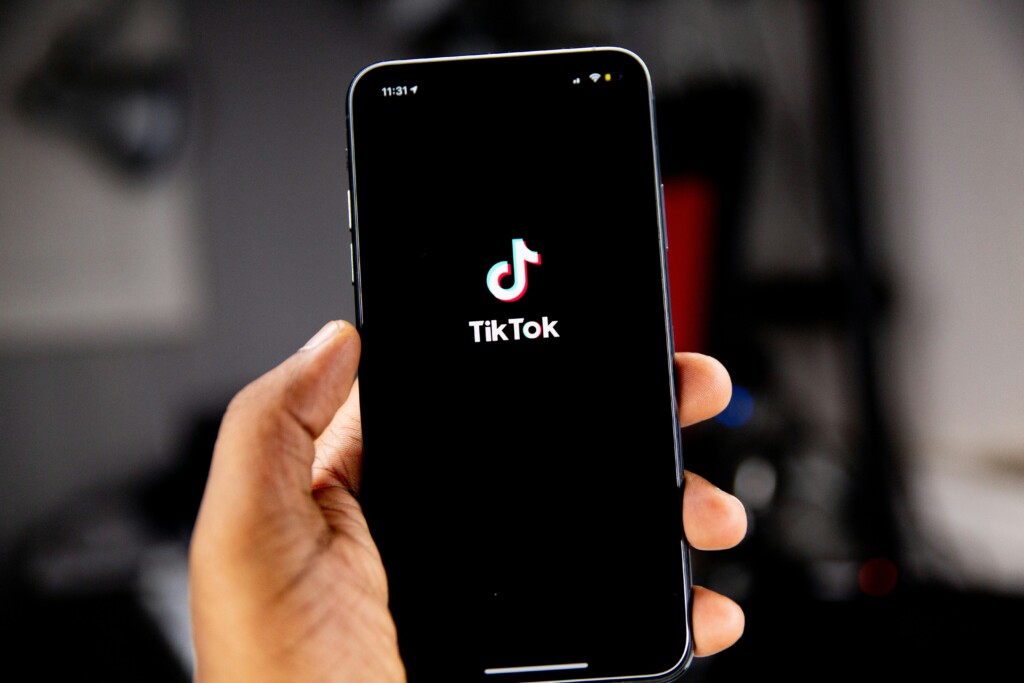
The House of Representatives passed a measure with an overwhelming majority, aiming to force TikTok to separate from its parent company or face a national ban due to concerns over national security risks associated with its Chinese parent company, ByteDance, according to the Washington Post. President Biden’s support for the bill added momentum. However, its fate now depends on the Senate, where some worry it might infringe on free expression rights. Lawmakers argue that the move is necessary to prevent adversaries from exploiting American freedoms. Despite TikTok’s claims of independence and data security, concerns persist. Efforts to address these concerns have intensified in Congress, with past proposals aiming to grant more power to restrict TikTok and similar apps. The sudden shift towards legislation came after previous attempts faced opposition from both liberal Democrats and Republicans concerned about free speech and government overreach.
The snow and rain have seemed to come back, after a brief relief of sunshine. But it seems that the atmospheric river will not continue flowing over Utah, after Thursday it looks like sunny skies are returning, according to ABC4. With a high of 54 degrees on Friday, and on Monday a high of 61 degrees.
This storm may bring significant snowfall to mountainous areas, with central and northern mountains expected to receive 4-10 inches, possibly up to 18 inches locally. The Cottonwoods could see 10-16 inches, while mountain valleys might get a trace-4 inches, with potential for up to 8 inches locally. Valleys experiencing a changeover could get up to 2 inches, impacting the Wednesday morning commute with sloppy snow conditions.
A massive underground battery project is underway near Delta, Utah, using hydrogen gas as the energy storage medium, according to the New York Times. This innovative approach aims to store excess solar and wind power in caverns for later use, addressing the intermittency of renewable energy sources. The project involves creating caverns by dissolving salt formations, with plans to produce hydrogen during low-demand seasons and burn it in a power plant during peak demand, potentially replacing a coal-fired plant. While hydrogen is considered a clean fuel, questions remain about its production, transportation, and efficiency, as well as the environmental impact of leaks. Despite challenges, the project could serve as a model for future clean energy initiatives, contributing to the transition away from fossil fuels.
The popularity of Irish Setters peaked in the 1970s, largely due to President Nixon’s dog, King Timahoe, but declined due to their reputation for being untrainable and mischievous. However, dedicated breeders like Russ Gibson continue to preserve and promote the breed. Understanding the breed’s needs, energy levels, and finding a reputable breeder are crucial for potential owners. Despite their quirks, Irish Setters excel in various activities, including hunting and agility. The Irish Setter Club of America hosts events to celebrate and evaluate the breed’s quality, providing opportunities for enthusiasts to connect. Ensuring proper training and exercise is essential to manage their lively nature. Ultimately, owning an Irish Setter can be a rewarding experience, offering companionship and joy.
The Tribune posted an article in February detailing commercial real estate collapsing in Utah, but it seems to also be a national issue as PBS reported federal regulators are expressing concerns about the commercial real estate sector due to decreased demand for office space and high interest rates. This situation is particularly concerning for leaseholders and smaller banks. Economics correspondent Paul Solman provides insights from San Francisco. The coronavirus pandemic has reshaped the future of downtown Salt Lake City, with fewer workers commuting to offices, leading to a slowdown in the office sector. Vacancy rates are high, and office rents and property values are decreasing. Despite this, downtown visitation numbers have dramatically recovered, surpassing pre-pandemic levels. The trend of remote work and interest in hybrid work options is impacting office space requirements, with a focus on smaller, upscale spaces designed to entice workers back to the office. While new traditional office construction is on hold, creative and coworking office spaces are thriving. Underutilized office properties are being repurposed as residential spaces due to soaring housing demand. Salt Lake City’s downtown recovery outpaces many other cities, attributed to factors such as low commute times and a diverse employment base. Downtown’s future resilience will depend on diversifying economic activities and adapting to new trends, such as remote work.
*Content for this article curated from other sources.