State lawmakers have approved funding to build a 600- to 800-bed shelter in Salt Lake County, according to the Salt Lake Tribune. This shelter aims to address the gap left after the closure of a centralized downtown shelter in 2019, which dispersed unsheltered individuals across smaller resource centers in Salt Lake City and South Salt Lake. The new shelter will be the largest the state has seen in years, potentially doubling, tripling, or even quadrupling the size of existing resource centers, which currently house 200 to 300 people depending on the location. Officials are considering both private and state-owned land for the new shelter but have not disclosed specific locations until final decisions are made.
Salt Lake City Mayor Erin Mendenhall announced the groundbreaking for the 2100 South reconstruction project, which focuses on the stretch between 700 East and 1300 East, according to the Salt Lake Tribune. Funded by an $87 million road bond approved by residents in 2018, the project aims to improve pedestrian safety, add space for bus stops, and enhance storm drains and landscaping. The construction, expected to last almost two years, began with work on the north side of 2100 South, restricting traffic to one lane in each direction. This summer, attention will shift to the south side, potentially causing more significant traffic disruptions, including the possibility of one-way traffic for up to two months. Utility work at the 900 East intersection will also cause lane shifts. Completion of the project is estimated for November 2025, with Mayor Mendenhall acknowledging the need for improvements on 2100 South due to its current condition. While some residents and business owners expressed concerns about the construction’s impact on local businesses, officials urged visitors to plan ahead and support Sugar House establishments during the construction period.
According to KSL, Jerusha and Jared Hess, renowned for comedies like “Napoleon Dynamite” and “Nacho Libre,” found themselves unexpectedly nominated for an Academy Award with their poignant animated short film “Ninety-Five Senses.” Despite their comedic reputation, the Hesses were surprised and thrilled by the nomination, considering their film’s humble origins as a nonprofit project.
“Ninety-Five Senses” tells the story of Coy, an elderly man reflecting on life through the lens of his senses, employing various animation styles to convey different stages of his life. The film, born out of collaboration and innovation, explores themes of memory, perception, and human connection in a deeply moving manner.
Despite the challenges of the pandemic, the film gained momentum on the festival circuit, ultimately landing on the Oscar shortlist and securing a nomination. The Hesses, along with their writing team, celebrated the nomination with tears of joy during the nomination announcement. Jerusha Hess was on the Utah Stories podcast a little while ago talking to Mathew Pyne, visit our YouTube channel to see that interview, it was great to get a sense of how she and husband Jared Hess created Napoleon Dynamite, which is now celebrating its 20-year anniversary.
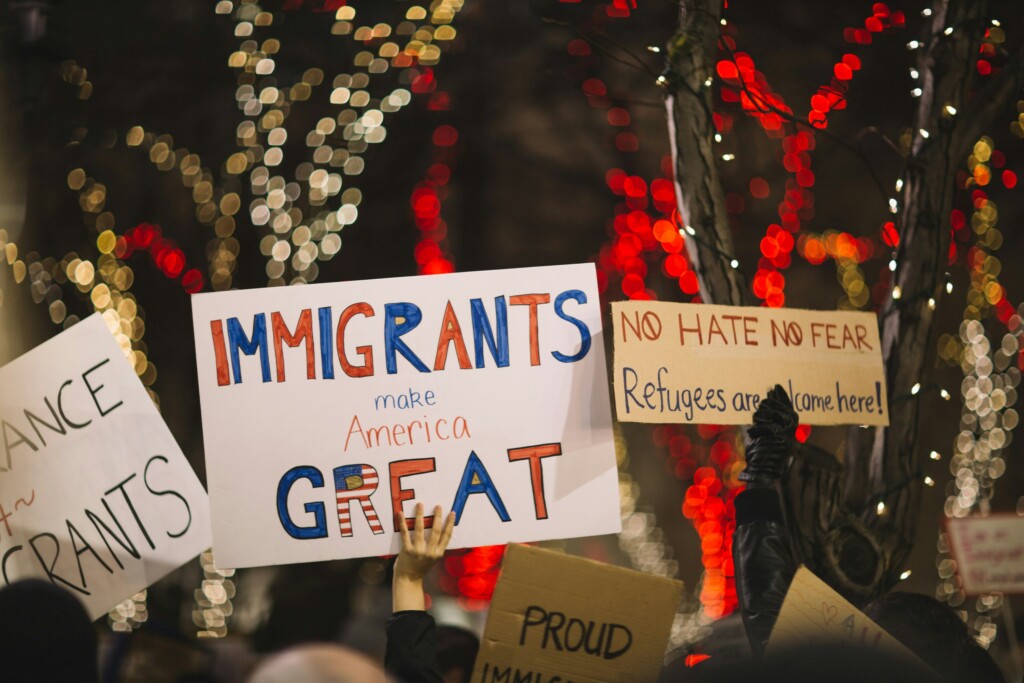
In Denver, there’s a growing concern as the city faces significant challenges due to the influx of illegal immigrants, according to The Gazette. Last year, 36,000 illegal immigrants arrived in Denver, more per capita than any other interior U.S. city. Mayor Mike Johnston states that the city has welcomed nearly 40,000 illegal immigrants, which is the highest per capita among U.S. cities. The city is spending $180 million, 10% of its annual budget, to provide housing, food, and other services to illegal immigrants. However, this expenditure might not be enough to prevent the collapse of Denver Health, where 8,000 illegal aliens had 20,000 free hospital visits costing $136 million. The situation is dire, and Denver residents are watching with horror as the city struggles to manage the challenges posed by illegal immigration.
This year commemorates the 46th year of the event, and now tens of thousands of people show up to watch it. The celebration takes over the whole city.
I am looking forward to the St. Patrick’s Parade this year. It will take place on Saturday, March 16, starting at The Gateway at 11 am. After the parade, the event will continue until 5 pm, with two music stages, one outdoor on the plaza and one indoor stage at 79 S Rio Grande. This big party with the Irish drinks, food and music is called Siamsa, which is a Gaelic term for a traditional Irish party.
Question of the Day: What is Utah’s policy on illegal immigrants? Are illegal immigrants impacting our jobs and homeless services, like they are in Denver?
According to Axios just three percent of Utah’s population consists of undocumented migrants or “illegal immigrants”. Salt Lake City, unlike Denver is not a sanctuary city, we do not allow illegal immigrants to find sanctuary in our city. Is this good or bad? Well it depends on who you ask of course. My wife is a legal immigrant. It took her three years to get into the United States from Bosnia, so why should we allow to come here by paying a Mexican Drug Cartel coyote? This facilitates the criminal networks that undermine law and order. I love all immigrants whether they be documented or undocumented. They are some of the hardest working people you will ever meet, but this is simply an unsustainable policy for the people who are citizens of the United States.
*Content for this article curated from other sources.