Salt Lake City

Mid City Salon Owner Teresa Bowman Leaves Downtown SLC Due To Public Masturbaters

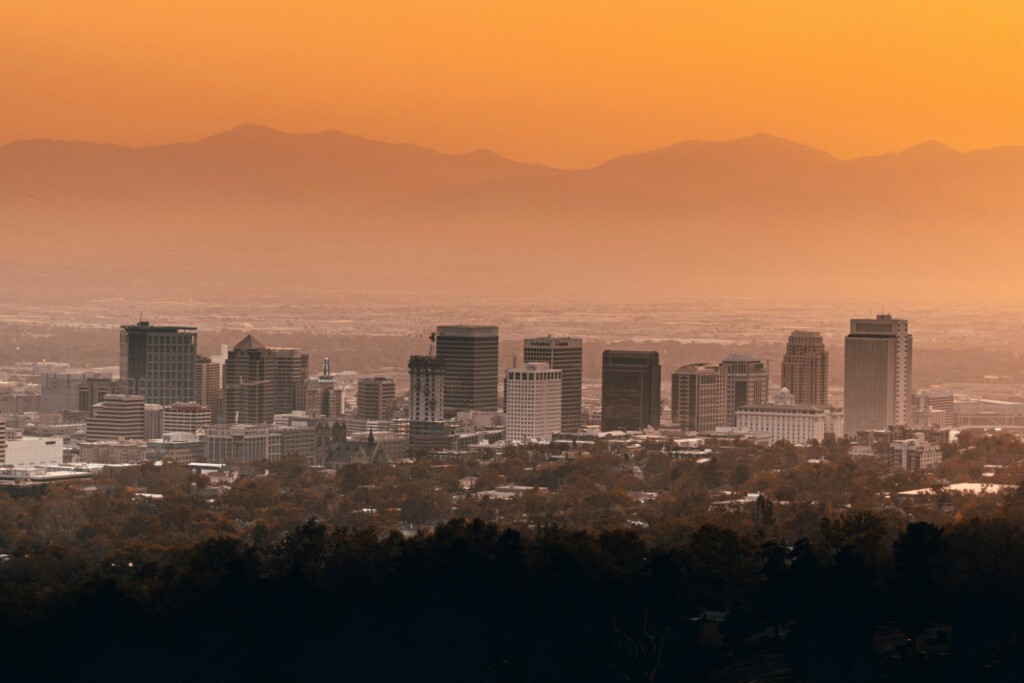
Salt Lake City’s downtown is beloved by locals, but is the homeless problem ruining downtown? Are businesses moving out of Main Street because they don’t feel safe?

|


For a long time, Main Street in Salt Lake City defined the makeup, character, and tapestry of the city. Naturally, it should be a showplace for downtown Salt Lake City businesses.

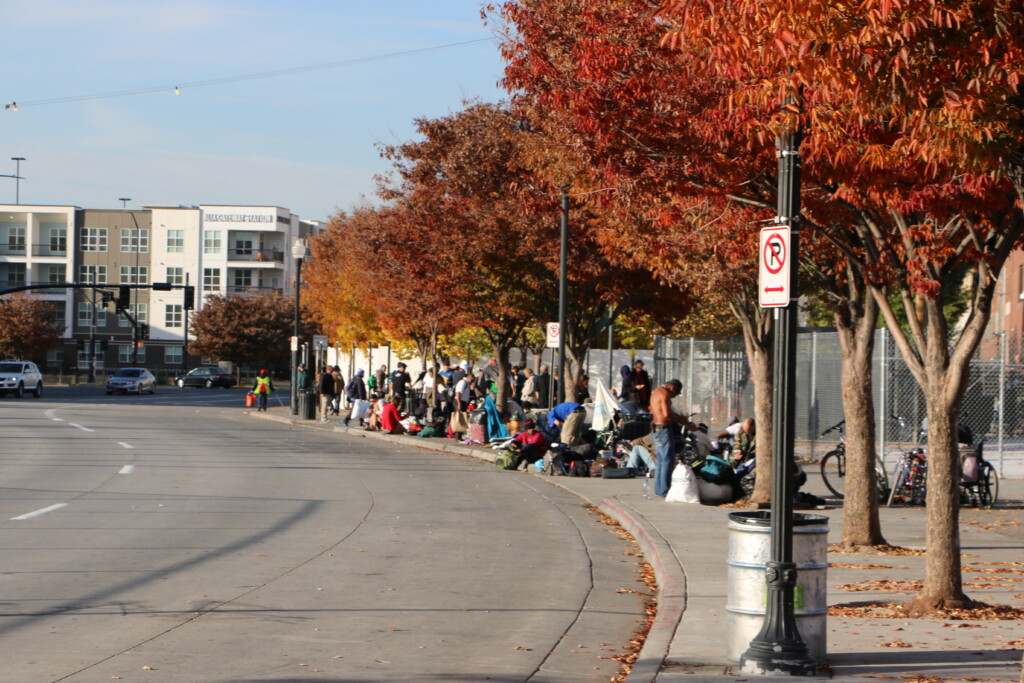
 Unfortunately, downtown Salt Lake City is suffering. The homeless problem downtown has become difficult for local business owners to deal with. 

On this week’s Utah Stories podcast, Teresa Bowman, who has owned Mid City Salon since 1997, came on the program to discuss her experience.

“It’s been really hard,” Bowman said, describing running a business on Main Street. She mentioned a city official advising her to hire a security guard, which she couldn’t afford. On the Fox News she described some of the issues she’s been having such as chairs being thrown off the building and ruining the awning, men masturbating in front of her salon staff, and human feces being left in front of the salon door almost daily.

“I can’t keep girls working here. They don’t feel safe. I don’t feel safe. Nobody feels safe,” Bowman said.

Some businesses on Main Street have closed or moved due to this problem. One of them is Southam Gallery which was on Main Street for 45 years. “They’re making it hard to stay in business,” Bowman said. 

According to Bowman the homeless and business owners used to work together to create a conducive environment. “I knew most of them by name. We were more like a community. It wasn’t like we were scared and they weren’t scared of us,” Bowman said. That all changed in the past few years with instituting ‘abetments’.

Now there is lots of fear and animosity between business owners and the homeless and nobody to turn to for help. Bowman said the police were told by the mayor to let the homeless go and to turn away. “He [a policeman] said we’re not supposed to touch the homeless.”

As a consequence, Bowman moved her salon to Trolley Square.

, ,

Join our newsletter.
Stay informed.


  • Utah Homelessness Crisis: Tyler Clancy Challenges ‘Housing First’ Failures

    “It’s not normal to see someone sleeping on the sidewalk in a sleeping bag with a needle sticking out of their arm.”

    That sentence should not be controversial. In a sane society, it would barely need saying. But in Utah — where politicians, nonprofits, consultants, and bureaucrats have spent more than a decade congratulating themselves for “addressing homelessness” while the streets of Salt Lake have become more dangerous, more drug-soaked, and more morally disorienting — it lands like an indictment. And it came not from a crank, a talk-radio host, or a downtown business owner at the end of his rope, but from Tyler Clancy, Utah’s newly appointed homeless coordinator.

    That matters because if Clancy is serious — and after sitting down with him, he appears to be — then he represents something Utah’s homelessness system has not had in a very long time: someone willing to say the obvious out loud. The old script is dead. Everybody knows it, but almost nobody in power has wanted to admit it. 

    For years, Utah’s homelessness policy has been built on a polite fiction — that if we build enough units, distribute enough funding, and avoid being too “judgmental,” the crisis will gradually resolve itself. That story was easier to maintain when Utah was receiving national praise for “solving chronic homelessness.” It is much harder to sustain now, when the conditions on the ground tell a very different story.

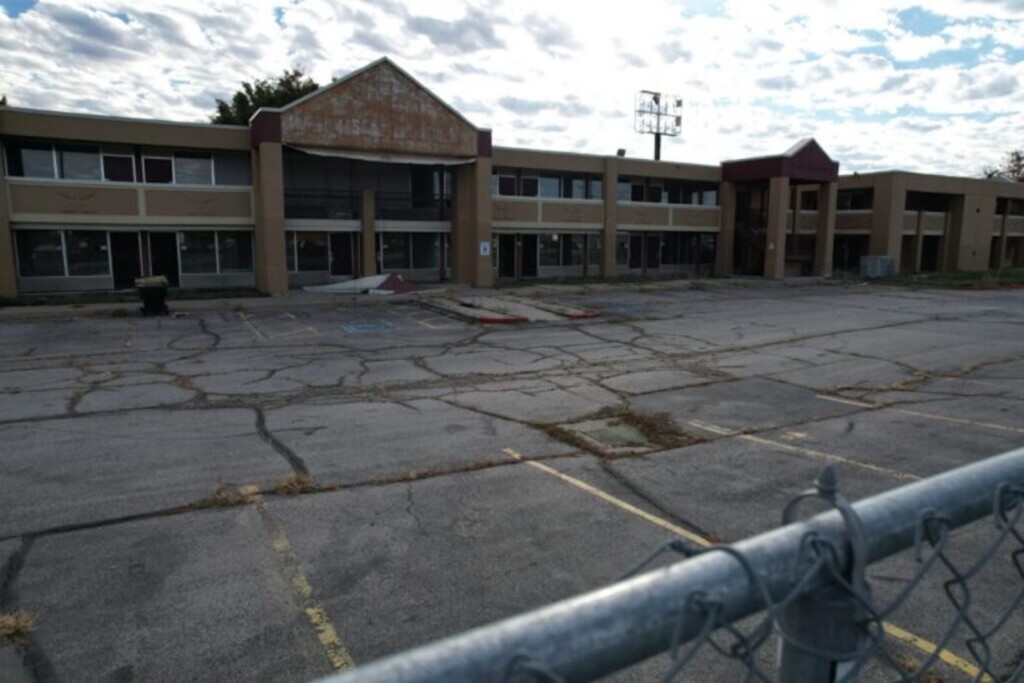
    Magnolia Apartments opened to help alleviate homelessness, but the results were not all positive.

    Part of that failure became painfully clear over the last four years. By most accounts, former homelessness coordinator Wayne Niederhauser was a decent man and a very nice guy. But one person close to him described his tenure as that of “a tiger without stripes”— someone with the title, but not the appetite to challenge the sprawling network of nonprofits and service providers receiving millions in taxpayer dollars. That lack of accountability has had real consequences. Multiple former and current residents have told Utah Stories that of the roughly 60 original tenants who moved into Magnolia when it opened, about 20 have since died — most, they say, from accidental drug overdoses. 

    If those accounts are even close to accurate, they should have triggered a public reckoning. Instead, the system kept moving, protected by good intentions, insulated from scrutiny, and largely unbothered by outcomes that would be considered a scandal in almost any other context.

    That is the machine Clancy is stepping into, and unless he is willing to confront it directly — not just coordinate around it — his role risks becoming one more layer of management over the same failures. The reality he inherits is not complicated in the way policymakers like to suggest. It is visible, immediate, and increasingly impossible to explain away. 

    Open drug use, fentanyl addiction, untreated mental illness, rising disorder, and a growing sense among both the public and the homeless themselves all indicate that the system is not working. Complexity exists, but it has also become a convenient shield for cowardice. It is the language people use when they want to avoid saying what is plainly in front of them: Utah has spent years managing visible human collapse while calling it compassion.

    The Lie Utah Told Itself

    For years, Utah’s approach to homelessness rested on a narrative few in power were willing to question. It sounded compassionate. It polled well. And it avoided uncomfortable truths.

    Continue reading with a Utah Stories subscription. Start your 3-month free trial.

    Continue reading and support independent Utah journalism with a purchase of Utah Stories (Digital + Print) or 3 month free trial (Digital).


  • Left in a Box as a Baby: Trauma, Alcoholism, and Addiction

    A man abandoned as a baby builds a structured life in law enforcement, but unresolved trauma and alcoholism slowly begin to unravel it. His story raises a harder question about how change actually happens.


  • From LDS Mission to Heroin Addiction: A Utah Man’s Descent and Recovery

    More than 100,000 Americans died from drug overdoses in a single year. That number is often repeated, rarely absorbed, and almost never understood in a way that forces real reflection. Because addiction doesn’t usually look like chaos at the beginning.


  • The Reality of Meth Psychosis on Utah’s Streets

    On the streets of downtown Salt Lake City, psychosis has become part of the landscape.

    People scream at invisible enemies. Some believe they are prophets. Others wander through traffic carrying conversations with voices nobody else can hear. To passersby, it can look theatrical, bizarre, and absurd. But behind many of those episodes is a darker reality few people want to confront directly: methamphetamine-induced psychosis, prolonged sleep deprivation, trauma, addiction, and the slow destruction of a person’s ability to distinguish reality from delusion.