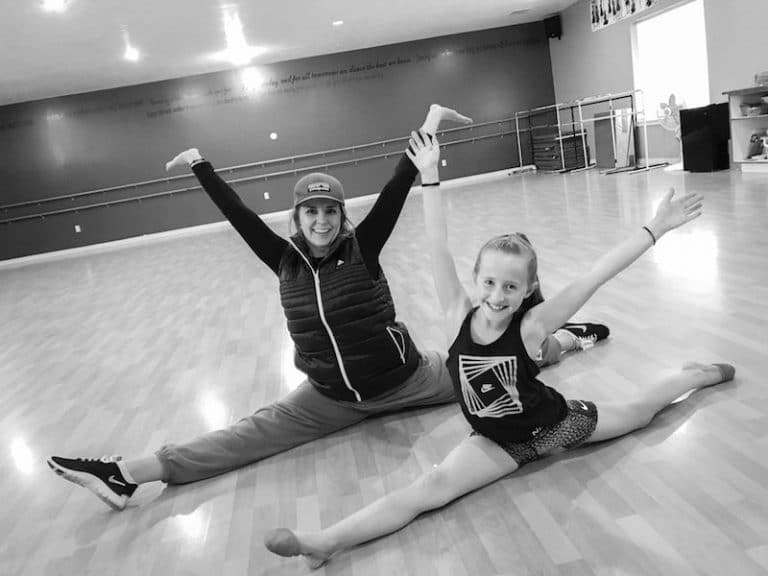

The mountain air and golden sunshine combined with the alpine elevation along with a bit of history puts Utah on the map as a source of astounding dancers. From ballroom and TV stars like Derek and Julianne Hough from Orem to Norwegian Principal Ballerina, Whitney Jensen, from Sandy; Utah simply has a little bit of dance magic.
It’s not all magic of course. It’s a lot of hard work. You’ve seen the photos of ballet dancers’ feet bandaged and wrapped. That’s part of what comes from hours of practicing the art of dance. Yet, perhaps part of Utah’s dance magic came into the world on the day William Christensen arrived. Born and raised in Brigham City, Utah, trained as an American Ballet dancer and choreographer moved away to perform his first ballet in Portland, Oregon. Not long after he returned to Utah in the early 1950s due to his wife, Mignon’s illness. It didn’t take him long to establish the first school of ballet at an at the University of Utah. Christensen eventually went on to become Ballet West’s first artistic director, and eventually founded the San Francisco Ballet and Ballet West in Salt Lake City.
Dance has a long-running history that has paved the way for dancers like Bradi Hill, owner of Rhythm Works Dance Studio in Clearfield, Utah. Hill began dancing at Rhythm Works Dance the age of four under the direction of Diane Allred. Allred trained her sisters as well, making dance a family affair. She has always loved dancing, but it wasn’t until high school that she realized it was her passion. Dance, as well as the studio, became such a huge part of her life – working there throughout her high school and college years — that when Allred retired, she looked to Hill to buy the studio. That’s exactly what she did, and it has paid off.
At Rhythm Works Hill prides herself and her team with teaching proper technique and vocabulary to her dancers, some who began at the early age of two. It isn’t just jumping around that we teach, Hill said, we believe that all students should feel important when dancing, especially the little ones. We want their experience to be positive and self-esteem building and hope that every student finds a passion for dancing to free from their daily stresses.

Despite her youth, she embraced the challenge and her passion for dance led the way. Allred trained her for a year on not only how to run the business but to make it successful. The reward came only three years after Hill purchased the business when she was awarded Utah Business Magazine’s 20 in their 20s award in 2017. In those few short years, she increased enrollment in the 25-year-old business by 25 percent despite competition from other studios and continues to create new and fun classes bringing in new students as well as keeping the former students. Currently, Rhythm Works is home to 11 performance teams and 10 recreation classes and offers classes for ages 2-18 in Jazz, Hip Hop, Lyrical, Contemporary, Ballet, Toddler Time, and beginning tumbling. Their competition teams have performed in Disneyland in 2005, 2008, and 2015 and New York City in 2012.
She talks about some of the challenges “in the dance world, it has become common for dancers to become sexualized at a very young age. Rhythm Works is known to be a more conservative studio with modest costumes, clean moves, and age-appropriate music,” says Hill.
When asked her thoughts on why Utah produces so many amazing dancers she believes that it may be in part numbers. “There are more kids in Utah,” Hill said, “you can find a high-quality dance studio without having to search far away. We have a local team base here and that’s important.”
So, whether it is the history, the alpine air, hard work, or golden sunshine, Utah is the place to dance. It always has been and always will be.