
Inspiration

Inspiration for Life

He soon found himself at the end of the city and began hitchhiking. He continued until he reached Salt Lake. He turned to me and said, “I sat under this tree. The setting sunlight came through the leaves and I smiled. It was the first time I smiled since I learned I was soon to…

|


News of Death

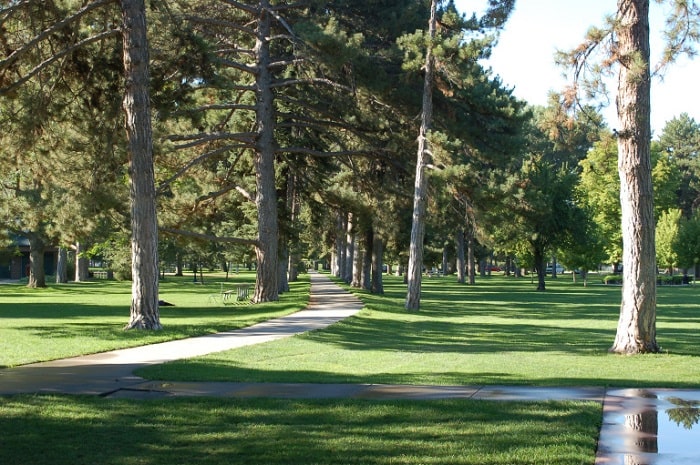
Every city has a place where the downtrodden congregate. In Salt Lake, Pioneer Park is that place. I would see drug use and violence, but on one spring day I saw something new. A man in a chef toque was meditating under a tree. I saw him there daily. My curiosity grew and one day I sat in silence beside him. After awhile he turned and smiled at me with a sublime gaze. I asked the reason he meditated in the park. Without losing his smile he calmly said, “I’m here meditating because I am dying.”

He was born in Compton, California and had lost two brothers to gang violence. To avoid the same fate, he concocted a plan. He sold crack long enough to get the money to move to Las Vegas and attend culinary school. He had been working as a successful chef for several years when he began to feel an increasingly intense pain in his back. He had tests run, fully expecting to hear he simply needed to get a massage or to be better hydrated. He was not prepared to discover that he had terminal cancer.

Upon receiving the news, he immediately went home and flew into a rage. He destroyed his apartment, punching holes in the walls and throwing his lamp through the window. He eventually fell to the ground and wept like a child. When he woke, he was surrounded by chaos and shame.

Inspiration for Life

On a normal day he would have walked to the bus stop and gone to work, but once at the bus stop, he kept walking. He soon found himself at the end of the city and began hitchhiking. He continued until he reached Salt Lake. He turned to me and said, “I sat under this tree. The setting sunlight came through the leaves and I smiled. It was the first time I smiled since I learned I was soon to die.”

He decided he would sit under the tree until he either found peace or death. When I met him, nearly four months had passed. He wanted to share with the world something so meaningful that it would change many lives … if only he had time. He began to ask me brilliant, soul searching questions until finally he said, “What will you be doing on the day you die?”

I laughed at the seriousness of the question and shrugged it off. My friend laughed and assured me it was no laughing matter. “Life is so fleeting. You may live 50 more years or you may die today. Either way, it will not be enough time. You need to realize this.”
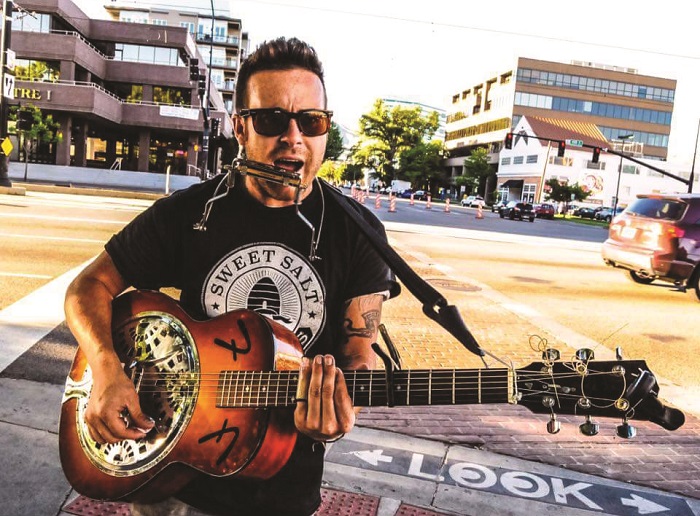
Tom Bennett performing

I thought about his question and came to realize that my life has been defined by travel and making music. I brought my guitar the next day and played for my friend. Our visits continued until one day I arrived at the park and he wasn’t there. I returned for many days and never saw him again. I quit my job and have now been on the road for over six years. I have played nearly 2000 shows in 41 states. Every night I sing my song for my friend. One of the lines says,

If you stay true to anything, let it be the wild-eyed wonder of a child. Live your life with a sense of poetry, don’t be afraid to go a little bit wild.

The song is called “If I Could Die Anywhere.

Everywhere I travel, it is my goal to share the great mystery my friend shared with me.

,

Join our newsletter.
Stay informed.


  • The Truth About Dyslexia: Why So Many Kids Are Misdiagnosed

    Many bright Utah students fall behind in school for one simple reason: their dyslexia goes unnoticed. In this interview, Barbara and Julia Morelli explain how misdiagnosis, late screening, and a rigid education system leave gifted kids struggling—and how the Morelli Foundation is helping them succeed.


  • Has Utah’s Soft-on-Crime Justice Reform Made Communities Safer?

    Has this “soft-on-crime” approach resulted in safer streets?

    SALT LAKE CITY — A decade has passed since former Utah Governor Gary Herbert signed a massive justice reform bill into law in hopes that the state could reduce its prison population and manage low-level offenders through rehabilitation programs instead of incarceration. Has this reinvestment resulted in lower crime and recidivism rates?

    According to the Utah Department of Corrections, that landmark Justice Reinvestment Initiative aimed to “continue holding offenders accountable and securing our communities, but in a way that considers individual risks and treatment needs.”

    Are communities really safer when mental health and substance use needs are addressed through programs administered outside prison walls? The idea was to treat criminals differently based on their mental health needs and backgrounds. But at least one retired Adult Probation and Parole Officer, believes this “soft-on-crime” approach hasn’t resulted in safer streets.

    LOOKING BACK

    State Senator Todd Weiler, in that legislative role since 2012, helped drive the passage of the Justice Reinvestment Initiative (JRI), a massive bill that enjoyed broad-based approval among state officials and the Legislature as a whole.

    In November 2014, Weiler attended the national summit on the issue in San Diego, an event hosted by Pew Charitable Trusts. 

    “I was very involved in it. We had a lot of high hopes,” Weiler, a Woods Cross Republican, said in a recent interview. “That was about the time we were finalizing plans for the new prison. And we actually said that because of JRI we don’t need as many beds because we’ll be incarcerating fewer people. So that new prison was designed with this idea.”

    A key part of JRI dealt with adjusting sentencing for crimes related to addiction, dividing offenders into two basic groups: dangerous criminals who are a threat to society (that group goes to prison), and low-level offenders who get help kicking addictions through state-sponsored programs or private-sector rehabilitation.

    “The ultimate goal was if we have an otherwise good person who got caught up in an addiction, and as a result committed crimes, they need to be punished for their crimes,” Weiler said. “It’s not that we’re going to overlook what they did, but we wanted to focus primarily on helping them overcome their addiction and [that means] getting them back to their job and their family.” 

    Before JRI, low-level drug offenders with felonies would spend years in prison, which wreaked havoc with their lives and future prospects. Addressing the root cause of their theft and property crimes through supervision and treatment made sense. 

    “We’re all imperfect people,” Weiler said. “So we want people working their jobs, paying their bills and raising their kids rather than sitting in jail and watching TV or playing cards.”

    To access this post, you must purchase Utah Stories (Digital + Print) or 3 month free trial (Digital).
