Utah Water Conservation
Utahns live in one of the driest places in America. We know about the very real need for water conservation in Utah, we talk about it all the time. Yet those living along the Wasatch Front waste more water per person than almost anywhere else in the world.
To make things worse, we water our yards with expensive drinking water, which consist mostly of water-hungry plants such as Kentucky bluegrass (far more appropriate in Kentucky where rainfall is greater).
Water district experts typically recommend conserving water by finding leaks, putting bricks in toilets, purchasing expensive outdoor irrigation, and other ineffectual methods.
We forget that the more water we use, the more money they make.
Effective water conservation
The most effective way for everyone to conserve water is to support efforts to price it more rationally.
The “smoke and mirror” tactics of maintaining ridiculously low water rates while forcing us all to pay higher tax rates to repay “pork barrel” bonds that continue to unnecessarily remove water from our streams—it makes no sense.
Current low water rates only promote waste by those who can easily pay them while penalizing the rest of us, even when we’re trying to conserve.
Until laws are changed, here are four easy and unique ways you can conserve water in Utah from snow.
Native plants help conserve water
Many of Utah’s native xeric (desert) plants are either deep-rooted or can store water when there is less natural precipitation.
For instance, the native sagebrush in our parking strip can send its roots down 25 feet and requires no additional watering. Desert plants have adapted to only absorb water during wet weather.
Saving water by keeping water
Much of the natural precipitation falling on harder surfaces such as roofs, driveways, and sidewalks usually channels into storm drains.
Keeping that water on our properties goes a long way toward conservation in Utah’s deserts.
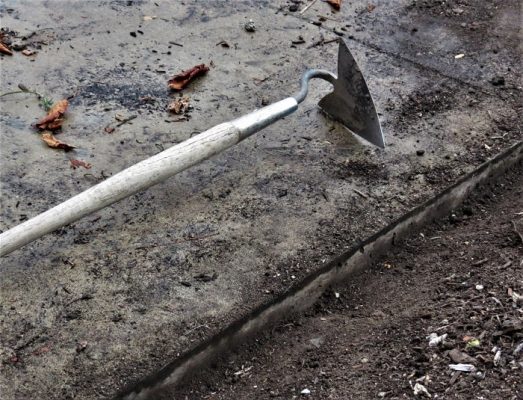
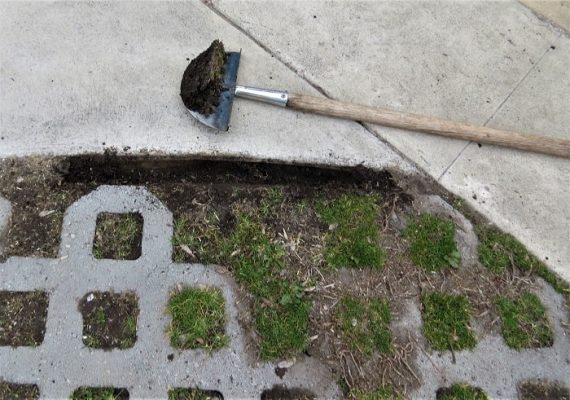
One technique is lowering the soil level adjacent to these impermeable surfaces. This helps to “catch” water by allowing it to enter the earth and recharge the water table.
Worms + Utah water conservancy = Win
The nightcrawler, a large, well-known worm that many of us know as fishing bait, was introduced from Europe hundreds of years ago and is known to build topsoil through its burrowing activities.
We have all witnessed this rapid production of soil in yards as it increases soil levels, especially adjacent to paved surfaces. Its tunnels, however, also provide a natural means of water absorption, which leads to water conservation.
We can help it along by routinely edging or lowering the soil level adjacent to sidewalks and driveways.
Construct your way to water conservation
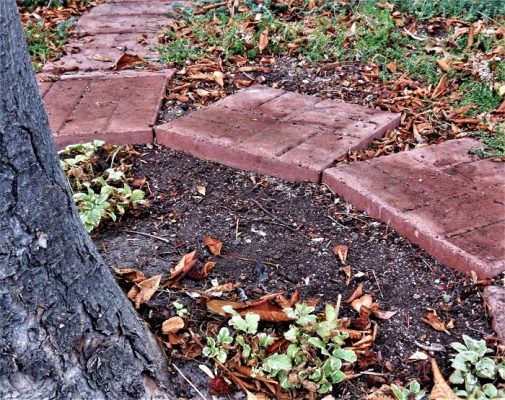
Another approach is to install elevated, movable stepping pads or “turf stone” in higher traffic areas to promote water infiltration.
Clover and a variety of other ground covers not requiring mowing can be transplanted into and around these less hardened areas.
We employed some of these ideas twenty years ago when we ripped out our parking strip lawn to replace it with appropriate native and xeric plants including various ground covers, flowering bulbs, and trees.
By dropping the soil level several inches below the sidewalk, I removed 22 wheelbarrow loads of dark topsoil and added it to our vegetable garden box beds.
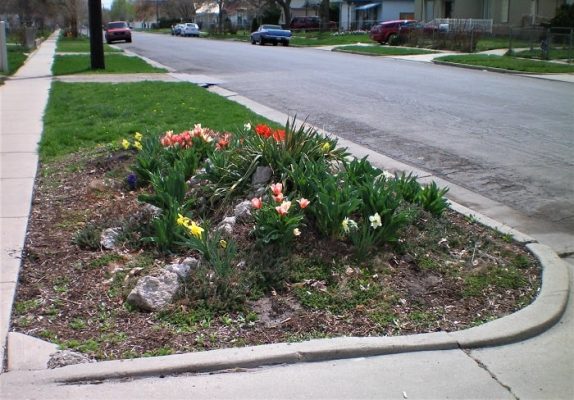
Salt Lake has relaxed its requirements about parking strips.
Today there are ideas and resources available on the internet, at local nurseries, water conservancy districts, or vogue gardens such as Red Butte Gardens, to create an attractive replacement.
If everyone followed these four easy ways to conserve water in Utah from snow our world would be a very different place.
You can also visit us at 415 South 1000 West.
The desert surrounds us. We can all find ways to live in it with harmony and beauty.