Stories of sexual assault, harassment and misconduct by politicians and people of influence seem to permeate the headlines with alarming increase. Unfortunately, many stories of this nature could almost be written on a template where only the names of the perpetrator and victims change. Consider the story of John W. Dawson, Utah’s third Territorial Governor. Although, it took place in 1862, it appears to have been ripped out of today’s headlines.
Abraham Lincoln was in the White House. The nation was engrossed in Civil War. Second Territorial Governor of Utah, Alfred Cumming, wanted to get home to Georgia before the Civil War lines were impassable. Wanting to keep an eye on the growing number of Mormon settlers, the Federal Government was in immediate need of appointing a new territorial governor.
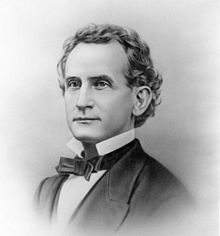
Lawyer, farmer, newspaperman, and loser of multiple bids for public office, John W. Dawson, of Indiana, was selected. His number one qualification was that Indiana wanted to get rid of him, and the Utah Territory was about as far as one could go and still be in the U.S.
Arriving in SLC on December 7, 1861, he did not do much to endear the god-fearing residents to him. Not only did he arrive with his mistress, he voted against Utah becoming a state, and he sent a letter to the legislature proposing that Utah be taxed $26,982 annually, to fund the Civil War. Brigham Young openly referred to Dawson as a “jackass.”
The last straw was when Dawson made lewd and inappropriate advances toward a young widow, Albina Williams, who chased him out of her house with a fireplace shovel. He proceeded to offer her $3,000 to keep quiet about the assault, and then threatened Deseret News editor, Thomas B.H. Stenhouse, that he would shoot him if he published anything in regard to the situation.
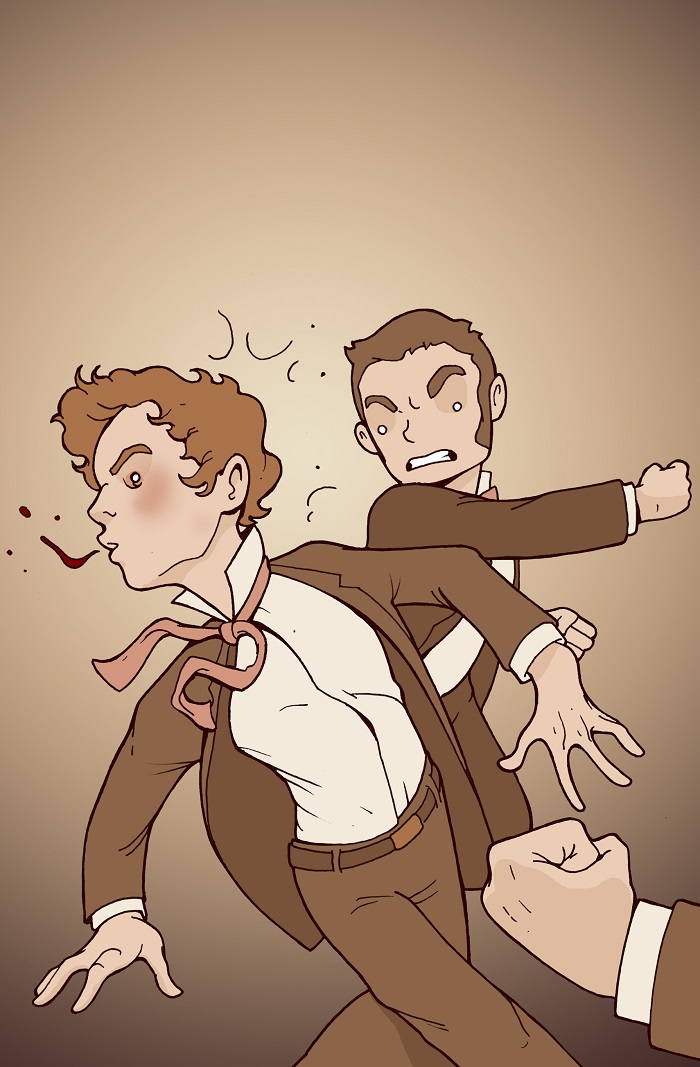
On New Year’s Eve, three weeks after his arrival, Dawson boarded a mail coach headed east. The stagecoach driver, Wood Reynolds, happened to be the nephew of Albina Williams. No longer able to endure Dawson’s bragging about his sexual exploits, Reynolds waited for him to fall asleep at the Ephraim Hanks Stage Station in Mountain Dell, Utah. Along with Moroni Clawson, and others, they beat John Dawson within an inch of his life.
Meanwhile, Albina Williams had sent an affidavit describing Dawson’s “insulting behavior” in detail. This caused a minor sensation in the U.S. Senate. A letter to the People’s Press of Bluffton Indiana, said of Dawson, “He is a poor, despised and hated ruffian, without a solitary friend of any influence on earth, outside of his own printing office. This is not the first time that [a] community has been sickened and disgusted with the infamy and crime of John Dawson.”
If you or someone you know has been a victim of sexual assault, harassment or misconduct, please seek help.
Utah Coalition Against Sexual Assault: 888-421-1100
Rape, Abuse and Incest National Network (RAINN): 800-656-4373 www.rainn.org
For more stories, join us on an Ogden or SLC Ghost Tour or Hysterical History Tour.
801-888-8551