
In Utah County, we like to believe our neighborhoods are safe, our families close, and our kids well cared for. It’s the kind of place where people wave when they pass you on the sidewalk and where yards are as neat as the Sunday clothes in the closet. So when the news broke that a barefoot, emaciated 12-year-old boy with tape around his legs had knocked on a neighbor’s door in Ivins, Utah, asking for food and water, it raised a hard question: how does something like this happen here?
The neighbor who answered the door told police, “I just had a 12-year-old boy show up here at my front door asking for help… he’s emaciated, he’s got tape around his legs, he’s hungry and he’s thirsty.”
That boy’s desperate plea set off an investigation that pulled back the curtain on Ruby Franke, a family vlogger whose online presence once sold the image of the perfect LDS home.
Meeting a Neighbor Who Lived Half a Mile Away
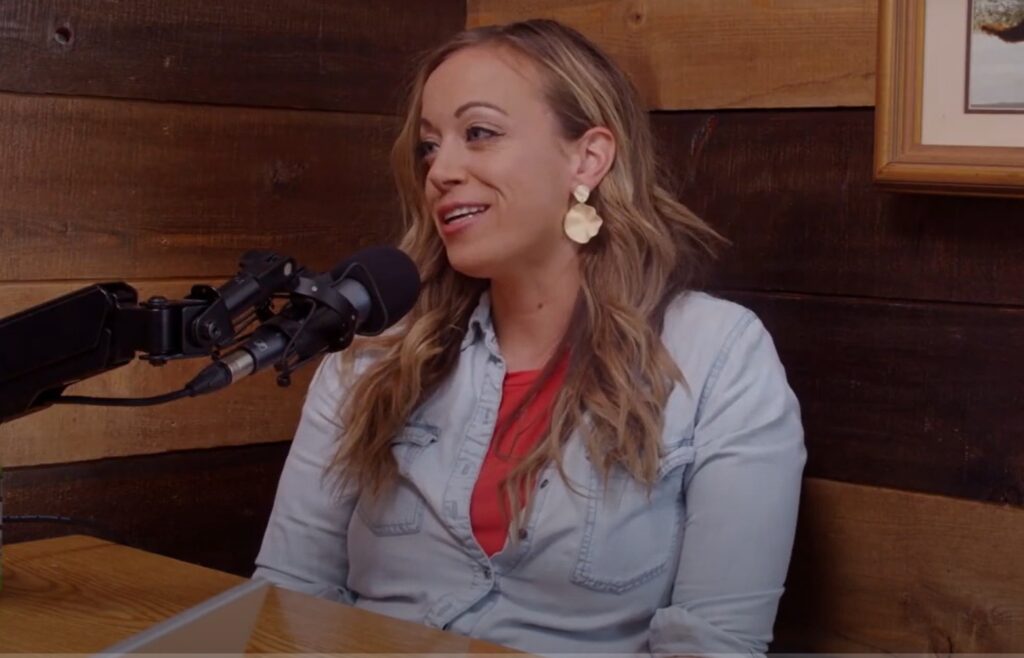
Julie DeJesus, founder of ICU Living, told me she hadn’t paid much attention when the story first broke.
“When this story broke, I didn’t give it a lot of attention… I try to focus on the good in the world and the healing. I had no idea I was actually just living up the hill from it, probably a half mile from the home where most of this occurred.”
Months later, she became friends with Kevin Franke, Ruby’s ex-husband, and saw firsthand how neighbors rallied to support him.
“It’s been a really special experience to see the way people showed up for him,” she said.
“Connections” and Control
The Frankes became deeply involved with Jodi Hildebrandt, the therapist behind a program called “Connections.”
“It was a type of therapy where a lot of manipulation was used based on pillars like isolation… 100% opposite of what helps mental health and resilience, which is connection,” Julie said.
Under Hildebrandt’s influence, Kevin was told to leave the home for over a year. Contact between some of the older children and the family was cut off. Ruby became deeply entrenched in the therapist’s methods.
“You look at what she was teaching and it was quite the opposite of what I found in my own life… connection is really the answer. Happiness isn’t our business. It’s about processing emotion as we go. That builds resilience.”
One of the most disturbing moments in the Hulu documentary shows Ruby coaching her son Chad to “fake it” for the camera:
“Honey, that wasn’t happy enough, make it more happy… Mom, I can’t, I don’t feel happy right now… No, fake it. You better fake it, because we’re going to be fake.”
Julie told me this is how trauma takes root: “You can’t actually be how you feel because there’s a problem with that… now I have all this trauma stuck in my body that is going to last and is going to explode later if I don’t deal with it.”
Utah County’s Polished Image
If you’ve lived in Utah County long enough, you know the culture. Faith and community can be powerful forces for good, but they also come with the pressure to keep up appearances.
“There’s this culture of ‘we need to be the same.’ If we all believe in Christ, then we need to be the same in every way and look a certain way. I think that can creep in when you have a high level of the same practicing members of a religion in one place.”
When challenges are hidden to preserve an image, isolation can set in.
“If I feel the need to fit a mold of that my life is good because I follow a certain set of teachings, then I need to show that I’m happy all the time. That’s not real life. Connection is what heals.”
The Aftermath
Through ICU Living, Julie works to help people feel seen without judgment. She believes prevention and recovery start in the same place — with genuine connection between people.
“Everybody can usually do something. Sometimes it’s not complicated. A smile, a conversation, a simple act of kindness can change everything.”
The Ruby Franke case is a grim reminder that abuse can happen anywhere, even behind the doors of homes that look picture-perfect from the street.
“It’s pretty horrific what happened right under our noses, right here to these children,” Julie said.
In a place where we pride ourselves on knowing our neighbors, it’s worth asking: what else are we missing?