Support your local farmers & artisans
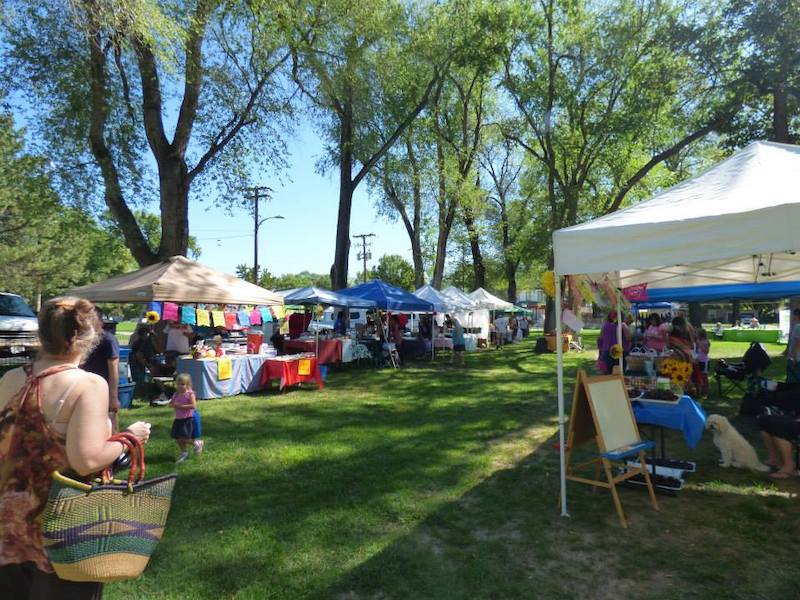
The Wasatch Front and beyond is home to many and varied farmers markets. There is the old and venerable Downtown Farmers Market at Pioneer Park, Wheeler Sunday Market, and Liberty Park Farmers Market. Not to mention all the markets popping up in cities from Brigham City to Moab. Here are some markets that fly under the radar, but are worth a visit:
9th West Farmers Market
The 9th West Farmers Market has been around since 2005, when it started in the Northwest Recreation Center (then the Northwest Multipurpose Building). Now located near the International Peace Gardens on 1060 S 900 W, the market has evolved into a farmers/artisans market and the only non-profit market in the valley. They were also the first market in the area to provide the use of SNAP to purchase fresh local goods in 2006.
Melanie Schertz describes herself as the chief cook and bottle washer for the market. She has been the president for the last nine years and she thinks what makes the 9th West Farmers Market special is that “We are a close-knit group, not just during the season but all year-round. We are a family, not just a farmers market.”
Melanie is a volunteer, as are many that work at the market, including all the board members. “You don’t do this year after year if you don’t love it,” she continues. ”We have a very loyal group of customers that come year after year. I might be prejudiced, but we have the most amazing farmers market there is.”
Sundays 10am to 2pm, June to mid-October
Layton Fest
Layton Fest is held at the Commons Park, 437 N Wasatch Drive in Layton. It brings together the best of Layton City and Northern Utah. With its long history of farming and ranching, Layton Fest is a great venue to highlight this strong heritage of local farmers, gardeners, and ranchers.
This small town open air market is under the supervision of Michele McMillan, Recreation Events Supervisor for Layton. She said they don’t get a lot of farmer participation, but “we bring together the best of Layton and Northern Utah with local food trucks, local entertainment and local vendors. We get a lot of small business owners coming out, and later in the season, community gardeners bring in-season produce to sell.”
Fridays 5:30pm to dusk, June through September
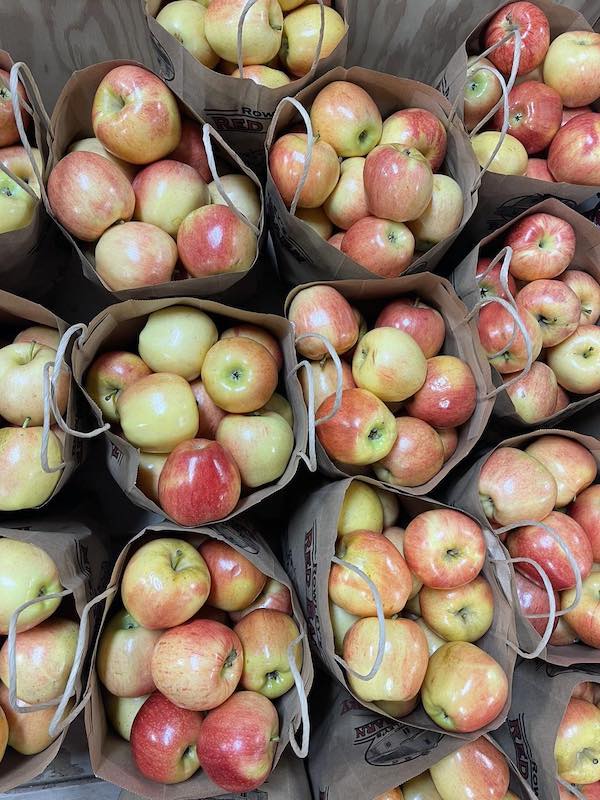
Santaquin’s Pick-Your-Own Apple Harvest
The year starts in the Fall for this pick-your-own apple harvest. The harvest continues every Friday and Saturday from 9am to 7pm, likely starting the first weekend in September and continuing through the first weekend in October.
The varieties of apples change throughout the season as different types of trees ripen. Jace Rowley says, “we start with Honey Crisp and progress from there through Red Delicious, Jonagold, Pink Lady, and Fuji.”
Parking is available at Rowley’s Red Barn, 901 S 300 W, Santaquin, with a short walk to the large tent on the west side of the road to get started. Admission is free and pickers can learn a little about harvesting fruit so that it doesn’t get damaged, and must provide their own boxes and bags. Harvesters pay for the apples they pick.
Rowley feels that they provide a way to get people out and be on the farm. “They can experience fresh fruit from the tree, freshly picked.”
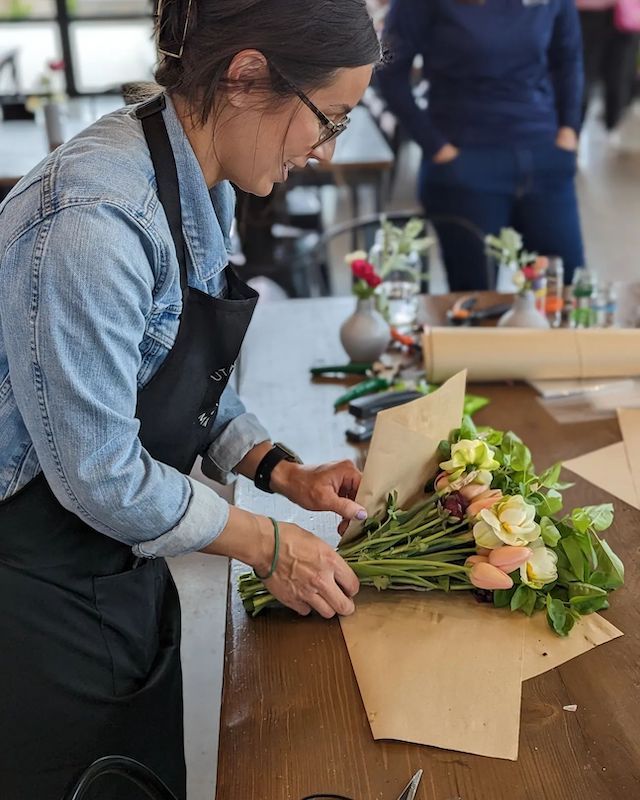
Utah Flower Market 2023
Ready to feed the soul, Utah Flower Market held at Grove Station, 273 S 2000 W, Pleasant Grove, this market brings local flower farmers together to offer everything from tulips in the spring to dahlias in the fall. Flowers can be purchased by the bunch, by building your own bouquet, or buying pre-made bouquets.
Wednesdays: Florists and Designers (wholesale license required): 9:00-11:00am
Public (everyone welcome): 11:30am -1:30pm through October 4
2023 Arts & Ag: A Moab Market
This is a once monthly event held at Swanny City Park, 400 N 100 W, Moab, and sponsored by Moab Arts & Recreation. The market is held on the third Friday of the month from 5pm to dusk through August. The Arts & Ag Market features artisan goods from local, regional, and visiting vendors.
Arts Director Kelley Mcinerney says, “What’s cool about our market is when people come and see how many vendors and entertainers there are in southeast Utah. They are surprised by what is available. We have a lot of food and artisan products.”
The market has been around for about four years and was previously called Market on Center. They changed the name to reflect their move to align the market with the free concert and outdoor movie events.
Mcinerney says, “We don’t set up for every event, but we wanted to give the public a chance to shop, eat, listen to music and watch a movie.”
June 16: Market + Family friendly free dark skies activities
July 21: Market + Free Concert Series featuring Nostros
August 18: Market + Free Concert Series featuring Pixie & The Partygrass Boys
Discover other local markets and events here.