Is Federal Protection of Western Wilderness better than local, economic viability?
According to environmentalists on the far left, the best way to protect and preserve the outdoors is to close roads; stop mining, stop drilling, eliminate fertilizer use on farms, and obliterate the energy and farming sectors of rural economies. According to the right-leaning republican elitists in Utah, we should develop massive infrastructure up our canyons; monetize wilderness to the greatest extent possible, and fight the Environmental Protection Agency in court battles. For years I’ve been wondering: is there any hope in producing a balanced discussion concerning the environmental future of Utah? Or will the vitriol and anger over land use, energy, and clean air only continue at a rolling boil?
As more farmland and rural areas in Utah have been bought by the elites, such as Bill Gates and the Chinese, their objectives are to eliminate the traditional fragmented economies and land ownership and centralize the power and economics on a massive scale. The neo-corporate-feudalism model of monoculture farming on a massive scale is clearly resulting in diminishing economic viability of small towns for working-class Utahns.
Outdoor retailers such as Patagonia want to protect more lands by pushing for ever-increasing federal restrictions, which is why they boycotted Utah for the recent OR show. While this may sound great, these protections inhibit residents from maintaining their sovereignty and their economic interests. This trend defies the traditions of America’s founding, which Constitutionally mandated enumerated federal powers and greater sovereignty for local and municipal governments. The National Monuments and Antiquities Act thwart the notion of local sovereignty. The left uses expanding antiquity designations to direct Congressional Senators to wield their power in determining state land use policy in Washington rather than in County seats.
If we take a 10,000-foot view: the clear presupposition of the elites is that rural residents are “destroying the planet and they must be stopped.” Traditional Western economic activities are raping and pillaging resources and destroying the planet. Leftist elitists maintain that all mineral or oil extraction is “evil” and that the time to “go green completely is– right now!” This sentiment ignores the clearly devastating economic implications for local residents.
Would The World Be Better Off With Fewer Humans?
Many on the far left maintain that the world is overpopulated and humanity is a “plague on the earth“. That if half of our population were eliminated due to pestilence, virus, or plague this would be a net positive for our planet.
I consider myself an environmentalist activist, but this mindset is insane. In fact, population collapse is a far greater threat to humanity than population increases, especially to the elderly who will rely on the young to produce economic activity to maintain programs such as Social Security and Medicaid. Elitist environmentalists who believe the world is overpopulated need to pay a visit to less-populated areas in Wyoming.
The Problem with Underpopulated Small Towns
Wyoming has far more cows and horses than people. It’s home to vast expanses of undeveloped wilderness, broken up by very small towns. The Wind River Wilderness area is a massive expanse of undeveloped land, where poverty among whites exceeds the national average,
Most Salt Lakers know Evanston, just across the Utah border because this is where we get our fireworks and kegs of beer. (because they are illegal in Utah). Most Utahns know the ridiculously expensive ski town of Jackson Hole, where no average person can ever afford to buy a home. Fewer people have visited the towns of Lander, Big Piney, Cheyenne, and De Bois. These towns have none of the faux western polish like Jackson Hole, but they are full of rugged, hard-scrabble, independent, and liberty-loving people. While these towns are tiny the inhabitants in these towns are so friendly they don’t mind people knocking on their doors to sell them meat products. I came to love rural Wyoming and its residents when I sold meat there when I was 18.
Wyoming is full of cattle ranchers, and oil and gas workers. They take pride in “hard work”. They might be called “rednecks” because they love UTVs, hunting, and rodeos. Much more similar to original western settlers, they seek to ride trails on open vistas. They have a passion for being connected with the land through horses, cattle, and sheep; and by hunting and fishing.
I came to appreciate their lifestyle being invited into their homes and witnessing their alternative breed of outdoor enthusiasm which is much more direct and hands-on than the mountain biking and skiing mode of enjoying the outdoors I engage in.
Patagonia-clad environmentalists (like myself), want to only experience the friendly and nice wilderness, without ever knowing its harshness. These people know the unfiltered dichotomy of nature — both its cruelty and majesty. The cruel part is in watching their calves (their livelihood) be killed by packs of wolves from Yellowstone.
Rural residents’ lifestyles, their economies, and the ways in which they enjoy the environment have all become the targets of the elites. Leftist elites in the West believe that all rural, right-leaning “MAGAS” are destroying the planet. Fossil fuels are destroying the planet. And if we only eliminated all oil and gas drilling permits in the U.S. our green revolution could begin. We have received a sense of the shockwaves foreign wars can have on energy prices through the Russian/Ukraine War. High gas prices disproportionately impact the poor living in rural areas, who drive big trucks.
While my experience in Wyoming was eye-opening, I witnessed the same culture and lifestyle in Utah’s small towns, especially near Eden, Utah. The original inhabitants of many of Utah’s most popular small towns are watching their culture disappear and be replaced with mansions and infinity pools where farms once stood. New residents with strong left-leaning environmental values don’t value the economic inputs of farming and ranching. “Cows are smelly and dirty,” new residents say about the ranchers still attempting to carve out a living in rural Liberty, Utah. The story we previously wrote about how Liberty, Utah ranchers who are facing the theft of their water rights by big developers clearly illustrates this trend.
The Degradation of Rural Utah Economies
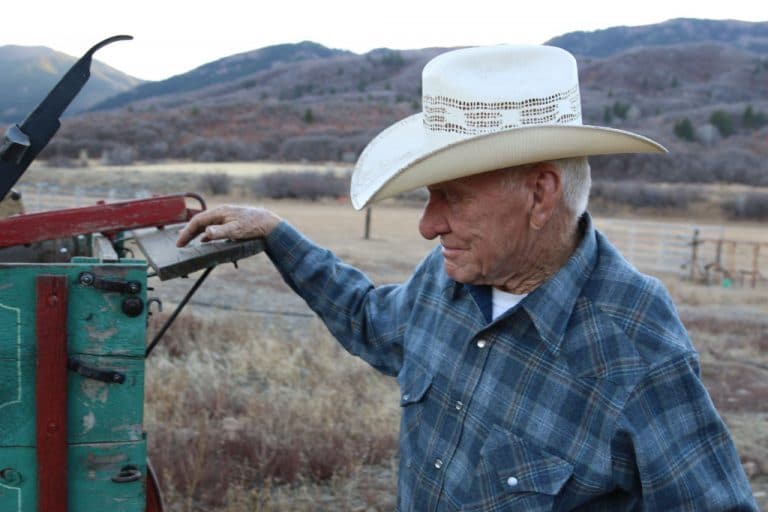
The Outdoor Retailer elites such as Patagonia want to change rural Western culture and economics without understanding them. They are boycotting Utah and our lawmaker’s objectives to keep more land under local control, believing they are “saving the environment from evil people”, as Patagonia founder Yvon Chouinard declared.
The elites who boycott Utah essentially believe that rural western citizens and their values are a scourge. Those who reject the elitist mansion-building, tourism-based economic model don’t deserve to have a say in the discussion over increasing federal protections and restrictions on land use. Chouinard only surrounds himself in an echo chamber.
These policies destroy rural Utah small towns’ economic viability outside of tourism. What the elites fail to understand is if we remove oil and gas production; mining and ranching from the economic equation: 80-90% of the economic viability of rural western towns disappear. Due to the economic declines in small towns, more rural Utah residents are moving to larger cities along the Wasatch Front further exacerbating our housing crisis. During Covid there was a migration by urbanites to rural towns for those who could work remotely. The result is that even the smallest towns along the Wasatch Front have a dearth of affordable housing. What is clear is that without economic decentralization, strong rural economies and culture will be a thing of the past.
Environmental Elitism Is Prevalent on Both the Right and the Left
But those on the far left do not maintain a monopoly on environmental elitism. Those on the right also push ridiculous development efforts by failing to listen to working-class residents.
The gondola proposal up Little Cottonwood Canyon is a case in point. Certainly, the canyons have become overcrowded. So the solution that is proposed by Utah’s most elite developers and pushed now by UTA and UDOT is to build the longest and largest gondola in the world up the Little Cottonwood Canyon. This proposal would make skiing even more expensive (and elitist) in Utah, and cause the trails and watershed under the gondola to be severely undermined due to the massive tower base posts, concrete, and service roads for these towers. Destroying a canyon so more people can go pay $15 for Snowbird’s burgers and $184 for lift tickets is one of the dumbest ideas ever proposed (in my opinion). But luckily not everyone is on board with the elites.
The Outdoor Retailer’s Show and its organizers are not in the elitist camp. we are pleased they decided to stand up to the elites and return to Utah despite the biggest elitist saying that they should never return to Salt Lake because our leaders are “evil”. Who says they are evil? Yvon Chouinard the founder of Patagonia for starters. Who is Yvon Chouinard?