Contentious Mining Plan Still Under Review
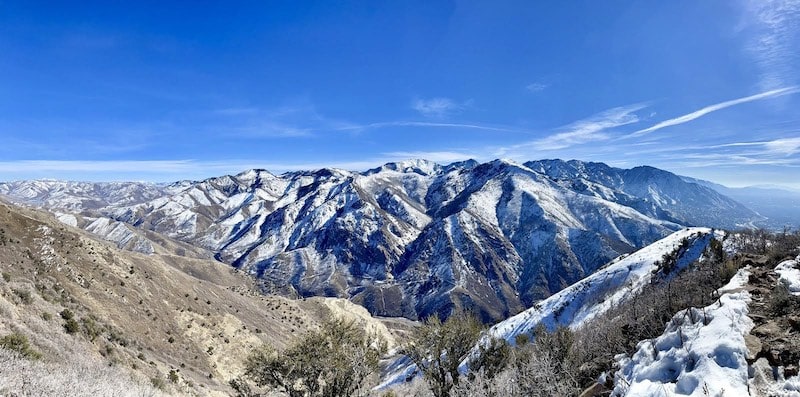
Parley’s Canyon and the Wasatch Mountains are at the forefront of a controversial debate about whether or not a proposed limestone quarry should move forward. Seemingly, the opinions surrounding the plan are overwhelmingly negative, even prompting a petition called “Save Parley’s Canyon.”
Carl Fisher, a respondent from “Save Our Canyons,” the organization responsible for the creation of the petition, says, “Save Our Canyons learned about this application about a year ago. It was filed right around Thanksgiving time in 2021, when Tree Farm, LLC filed an application before the Utah Division of Oil, Gas and Mining (DOGM). As we reviewed the application (and in light of the other battles we were fighting, like a gondola in Little Cottonwood Canyon), we decided we should hire some outside legal counsel to help with this project.”
Still, the road to determining whether or not the project will proceed is a rocky one. In the thick of legal debate, those protesting the mine are determined to obtain the land at an agreeable price to prevent the construction of the mine. Regulators have approved the project as of August 2022, according to reporting by the Salt Lake Tribune, despite the public and county officials attempts to halt it. However, it was approved with permit requirements that will continue to stall the actual act of mining.
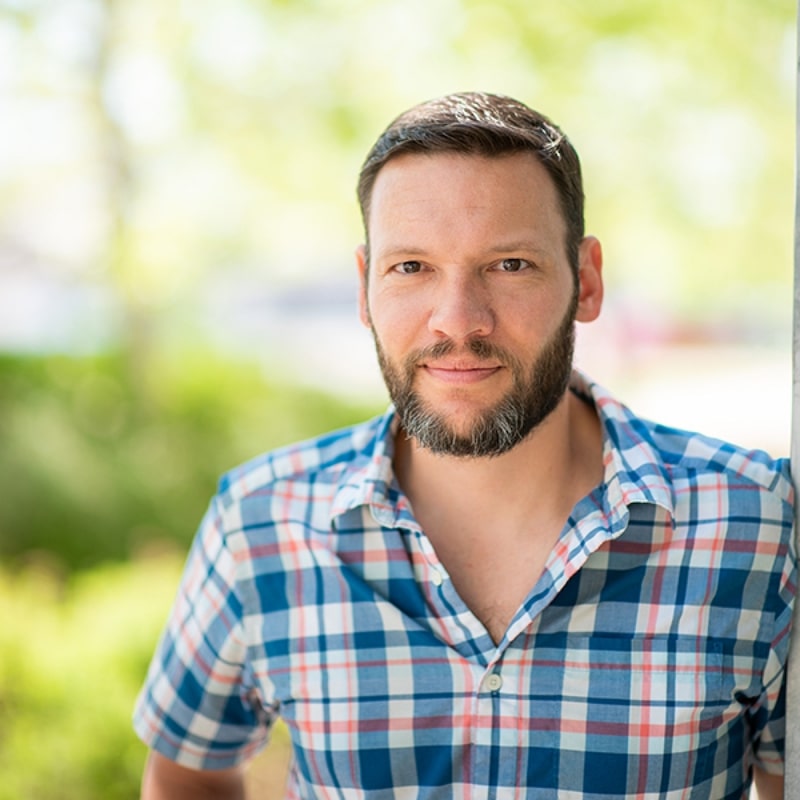
“Our petition stemmed from the fact that we don’t have a high degree of confidence that Utah’s policies or policy makers will do anything to protect our environment. We wanted to start a conversation that suggested not only was there opposition to this proposal, but there was public interest in trying to work with the land owner and/or his gravel pit operators to see this land protected from mining activities, permanently protected for the benefit of people and nature,” says Fisher.
Granite Construction Company is the global operational company responsible for filing for the limestone mine, along with the landowner and partner of the project Tree Farm, LLC. To public knowledge, the original paperwork contained limited information, but was requested at 20 acres, which by law, qualifies for a quick review. This would have made the process relatively easy to get through, but that was before the public found out about it.
Though 20 acres of land is considered a small plot for mining, the impact of the mine could be detrimental to the environment, residents, infrastructure and more. In April of this year, Salt Lake County officials passed a law and zoning change that prohibits mining and gravel pits in the Wasatch Mountains. According to the petition, “nearly all county representatives cited they received hundreds of letters asking them to prohibit this destructive use from further tearing apart our Wasatch Canyons.”
The DOGM received objections from Salt Lake City and Milcreek, which prompted a further look into the project by John R. Bazza, Director of DOGM. One of the responsibilities of DOGM is to ensure that mining propositions ensure public health and safety. The two objecting cities share concerns about the water supply and dust kickup that will be caused by the mining operation. Seismic shaking and wildfires are also concerns for cabin owners neighboring the site of the quarry in the Mt. Aire Canyon Community.
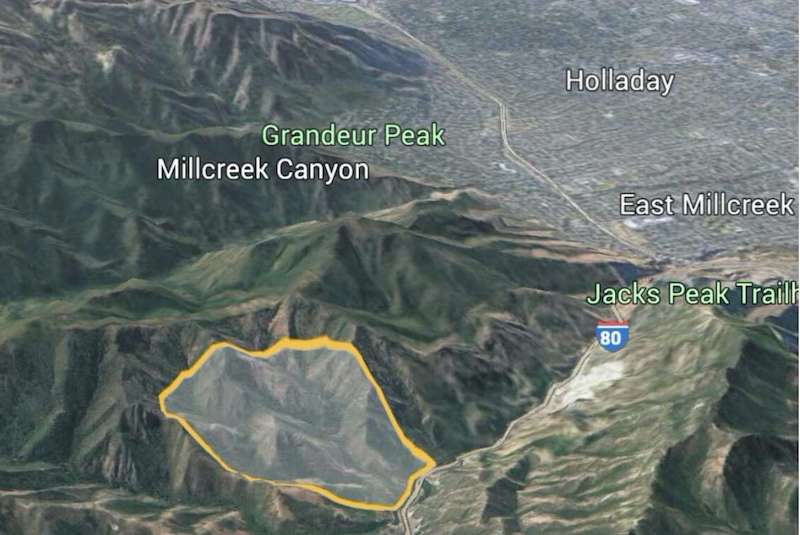
While Granite Construction Company’s filing registered as a small mining operation under 20 acres, records show Jesse Lassley, the original requestor for the quarry permits, had previously filed for the land to be used at 400 acres of mining ground over 100 years. This has created urges for the operation to be reviewed as a large mine, rather than the small one it is currently being reviewed as. At that time, before the April law preventing new mining operations was passed, the determination would have been made by the state based on a 2019 law. With the new guidelines, they will be required to obtain permits from Salt Lake County, who seem to be opposed to the operation.
This is only the beginning of what is inevitably going to be a long-lasting battle between the parties. When the actual digging will become active is still unknown. Until that is determined, protestors urge those who appreciate the wildlife, scenery and natural elements of Parley’s Canyon to sign the online petition.
According to Fisher, “So far as the effectiveness, working to protect Utah’s environment will never have enough support. You know you are successful when a damaging proposal has been stopped, when the dozers have been called off. Our founder, Gale Dick, liked to remind us that every loss is permanent and every victory is temporary in our line of work. Land and water laws seldom work for those resources anymore, they’ve been eroded for 50 years. We used to rally and have petitions to uphold the law that protected the very lands and waters we are fighting to protect today ― the difference is today, the law isn’t nearly as strong as it was and the pressures are many times as great. We are no longer petitioning to uphold the law, rather to strengthen it, but we are standing below looking straight up at what used to be a conservative baseline. This is a long way of saying, there’s still an active proposal to mine the Wasatch, so the petition, the law, nor your elected officials have been successful to date ― they are all a work in process with people on different sides working different angles every day.”