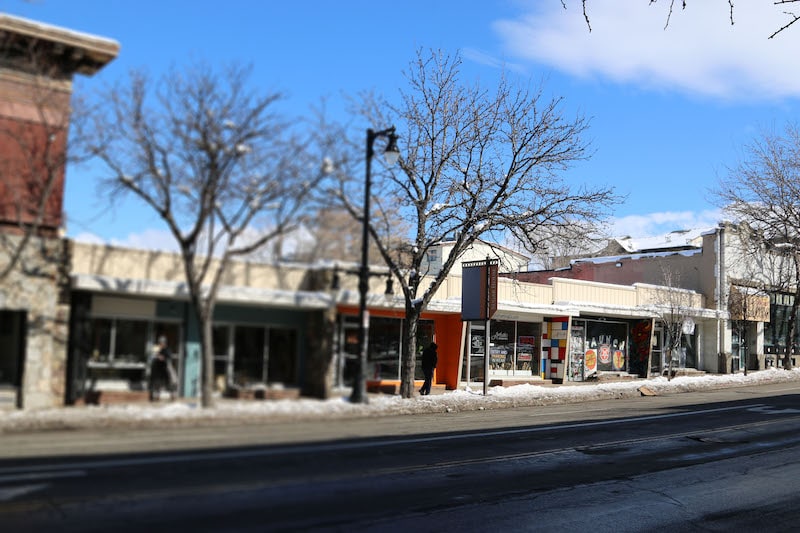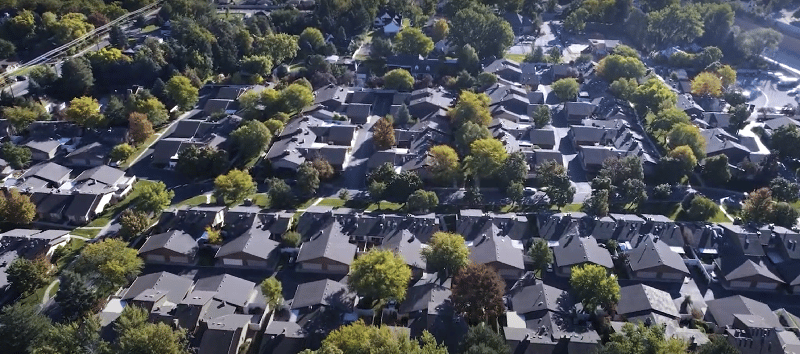
There are a few signs that more cities could adopt and adapt existing zoning laws to allow for more affordable housing. But there is just one major roadblock: NIMBISM
Eric Gardiner is a Salt Lake City area real estate agent. He has witnessed dramatic changes in the Salt Lake City housing market in the past six months, and he says that slowly things are shifting from being a seller’s market to a buyers’ market. Meaning buyers who were once bidding against twenty other potential purchasers are now finding a lot more leverage due to the dramatic increase in time that houses for sale are remaining on the market.
This is due to the dramatic rise of interest rates set by the Federal Reserve, which now stand at around 6.6% (instead of around 3%, where they were just nine months ago). Gardiner sat down and discussed Utah’s housing market on the Utah Stories Show. The big question was: will housing ever become affordable again, especially for first-time homebuyers?
What is the Best Solution to Affordable Housing?
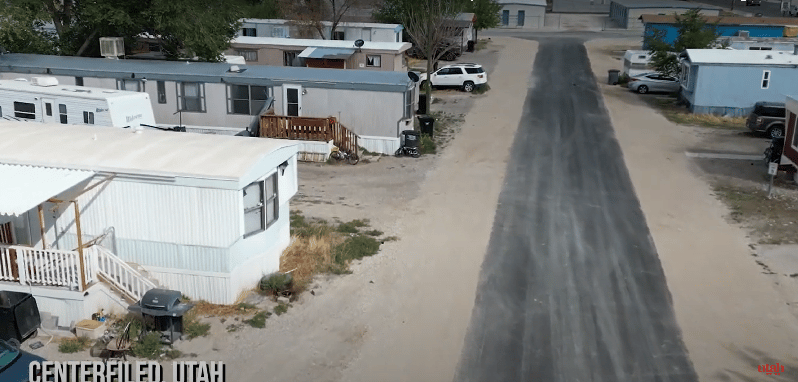
The answer is probably not in the near future. There is a solution to the “affordable housing crisis” and that is by having existing homeowners and cities agree to change zoning laws to allow for more prefabricated homes or manufactured home communities (which are synonymous with the word trailer park). Which Eric says has a very negative stigma attached.
Eric says, “A lot of cities they zone out poor people. A lot of that zoning is a big issue because nobody wants a poor person living next to them. You go to a nice city and they say, “we only want $600K houses in this neighborhood, we aren’t going to have any $200K houses”. So zoning is a big issue as well as just allowing those types of buildings to be built.
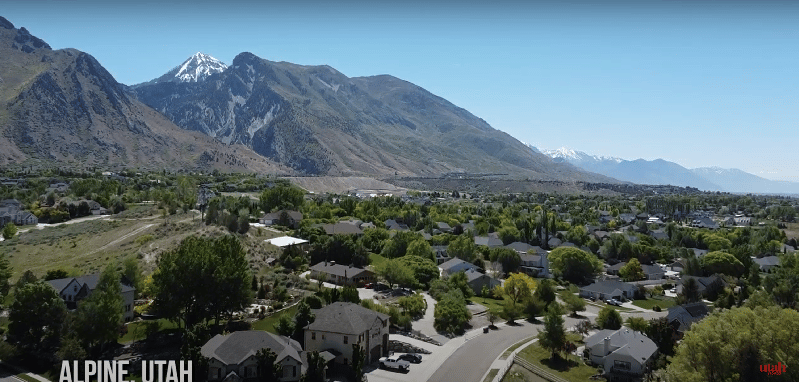
The “housing type” they don’t want to see built are manufactured homes or “pre-fab” homes, which are actually sometimes indistinguishable from homes built on-site. The cost of building a home in Utah currently stands at around $300 per square foot, pre-fabricated homes can cut this cost in half or more. But cities know that if their planning and zoning departments decide to allow for the possibility of prefabricated housing then there is a good chance that residents will put up a strong fight to stop it. This fight has a name, it’s called NIMBYISM (not in my backyard) syndrome.
Utah Stories also spoke to the only successful group we have found in recent times to successfully change zoning laws, The Otherside Academy. They were able to change zoning for a piece of ground for tiny homes only by agreeing to build a large amount of additional infrastructure and parks around the actual homes, and by beginning with just fifty units. These housing units will be leased to residents who mostly not be able to find housing anywhere else through a program called Housing First.
Will more cities step up and allow for more zoning changes? Utah Stories will continue to cover these very important issues.
RELATED CONTENT
A Look at Tenement Housing as Opposed to Government Housing
City of Centerfield Responds to NIMBYISM Claim Against Affordable Housing
Why “Deeply Affordable” Housing Is Not Being Built in Utah and it Won’t be Built Anytime Soon

SUPPORT LOCAL JOURNALISM AND SUBSCRIBE TO PRINT MAGAZINE
Subscribe to Utah Stories weekly newsletter and get our stories directly to your inbox