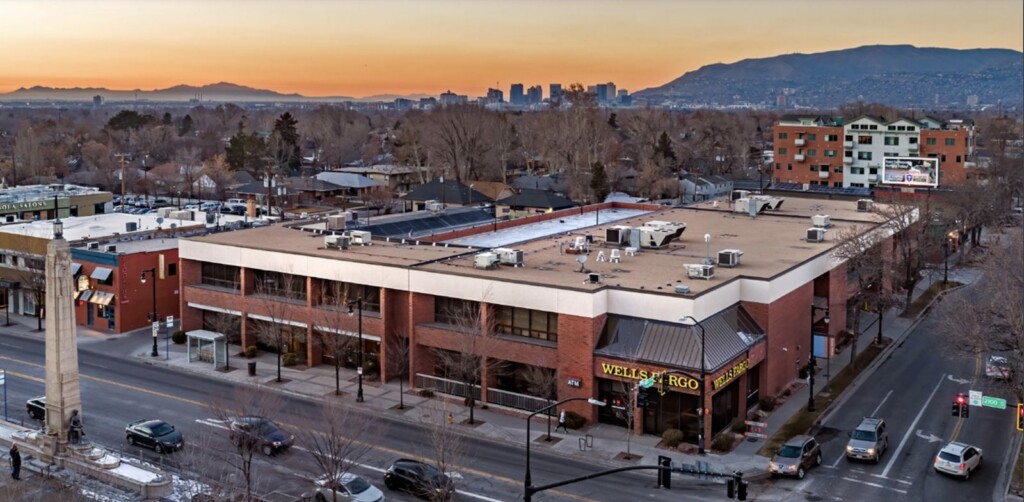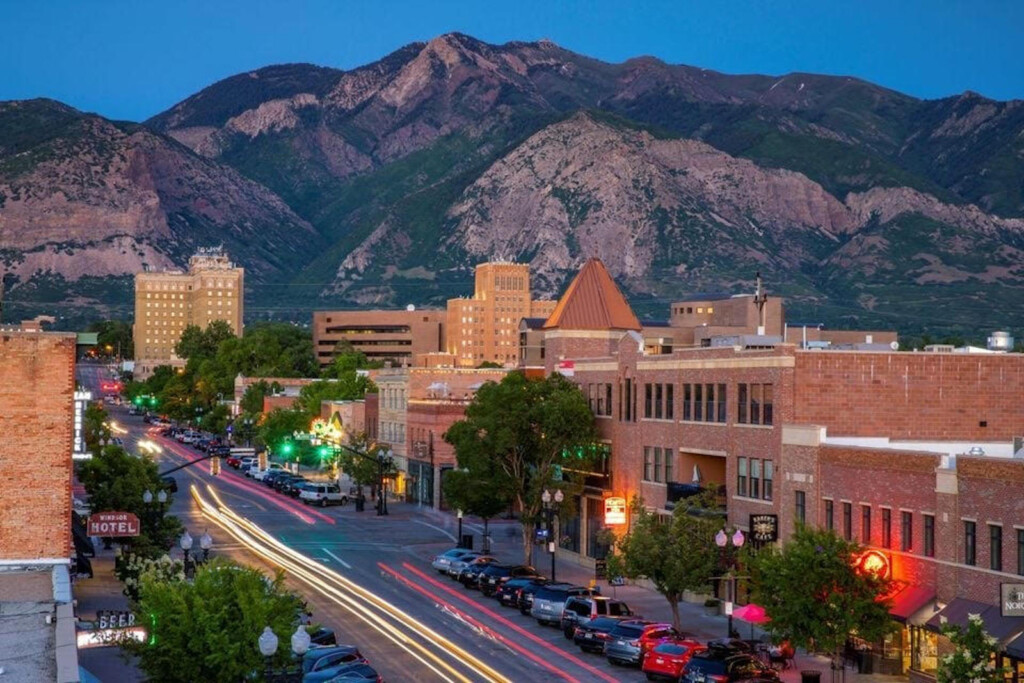
A historic downtown helps define a community’s character, but century-old structures can be difficult to renovate and maintain. But thanks to Utah’s Main Street Program, seven cities recently received a financial boost to help spruce up businesses that strive to keep their aging downtown blocks vibrant.
That slate of communities includes Brigham City, Cedar City, Helper, Mount Pleasant, Ogden, Price, and Tooele.
Christopher Merritt, historic preservation officer with the Utah Department of Cultural & Community Engagement, credited state lawmakers with creating the state’s Main Street Program in 2021. In early 2022, the Utah Main Street Program announced the distribution of $190,000 in grants ranging from $25,000 to $30,000 each.
Recipient cities also need to match those grants, Merritt said, and funds can be used for beautification, historic preservation, planning, staffing, and travel for training.
“Five of the communities (Brigham, Cedar, Mt. Pleasant, Ogden and Tooele) used a sizable portion of their grant to start or expand a facade improvement in their historic downtowns,” Merritt said, adding that those projects are now under review by the State Historic Preservation Office.
“They’re open to local property owners as a way to coax improvements, repairs, and rehabilitation to the ‘faces’ of these beautiful and historic buildings,” Merritt said. “Each community has a local process to select property owners, but all work is being done to the highest standards of historic preservation.”
The Place To Be
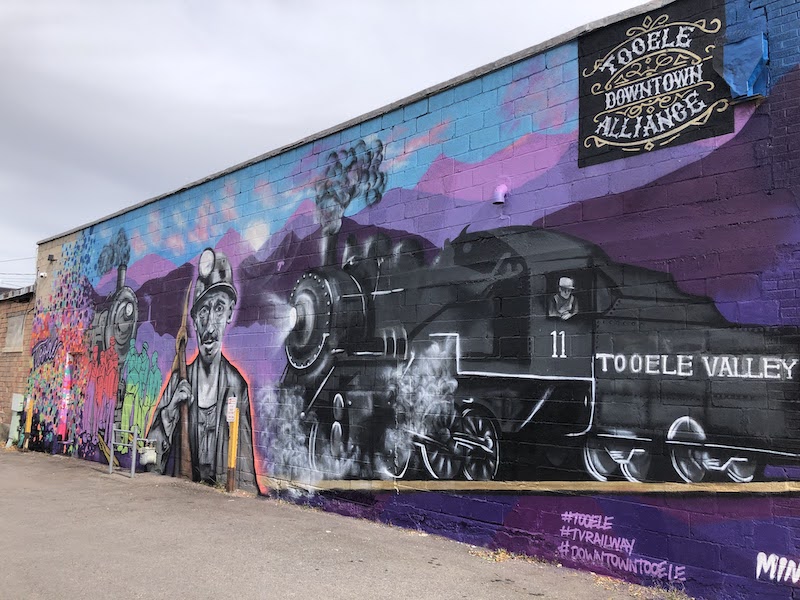
In Tooele City, where roughly 36,000 people reside, artwork will play a prominent role in their use of $25,000 to enhance the community’s three-block stretch of historic buildings.
“We’ve got several projects we want to accomplish,” said Jared Stewart, Tooele’s Economic Development Coordinator. Those range from life-size bison ― the High School’s mascot ― to expansive murals and more.
“We purchased 10 fiberglass buffalo that we will put out to have artists design and paint,” Stewart said. “Also, we’ll roll out a mural program where property owners can submit and have their wall in consideration. Artists could then submit designs and we can pay them to work on those murals.”
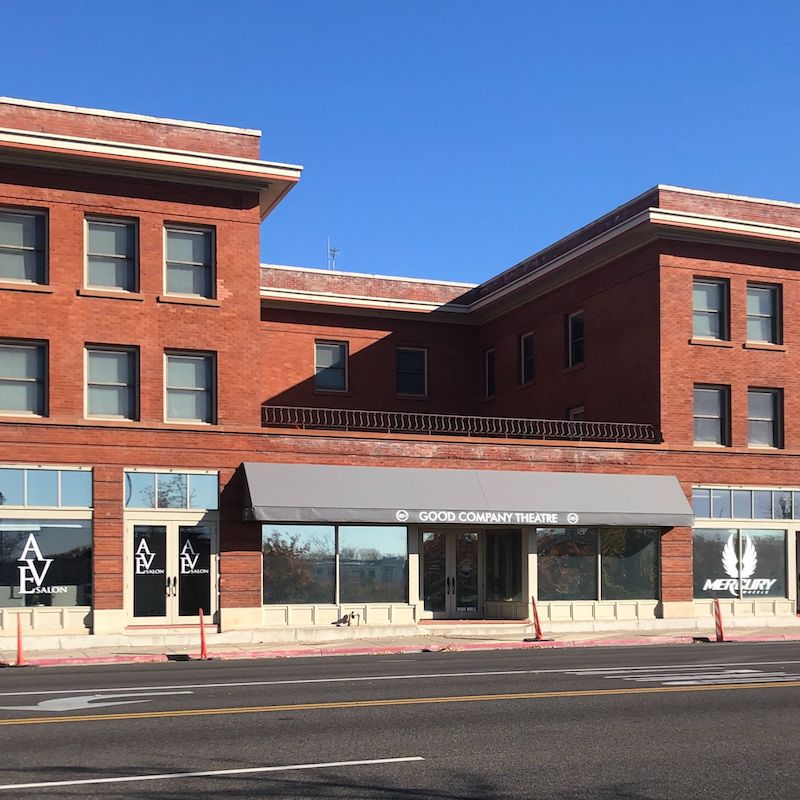
Also, the city’s Downtown Alliance plans to provide some facade grants to businesses in need of a facelift.
“We hired a group to help us do some renderings of downtown so we can get a good feel with architects of what a historic facade will actually look like,” Stewart said.
While Tooele has clusters of new development, Stewart remarked that, “anywhere in America you can have a Walmart, but this (historic district) is what makes Tooele unique.”
Artists interested in working on Tooele’s bison or murals can contact Stewart by email at jareds@tooelecity.org or by phone at 435-843-2169.
Hometown Feel
Haille Van Patten directs Ogden’s Main Street Program and said their $30,000 grant will largely be used to continue upgrading historic facades in the city’s Central Business District.
So far, a half-dozen businesses have submitted proposals to receive $5,000 each, and now the Ogden Downtown Alliance is working with the state Office of Historic Preservation to determine which projects are actually feasible. Business owners will also pitch in funding to cover their project budgets.
“Having a downtown that looks good and is updated and functioning properly in terms of signage, lighting, windows, banners, awnings and things like that ― that helps with people feeling welcomed and safe downtown,” Van Patten said.
While the grants may seem small within the larger scope of what it takes to upgrade and maintain historic buildings, Van Patten believes they offer worthwhile incentives that help make a difference.
“Some of these facades have not been updated in a long time, and the ones that have look amazing,” Van Patten said. “It’s all the little pieces that help boost tourism traffic … and It just helps Ogden look and feel more like home.”
Flowers, Kiosks & Training
Paul Larsen, Community and Economic Development director for Brigham City, said their $30,000 Main Street grant will supplement current funding for façade upgrades, kiosk signage and maintenance of flower baskets. Some of the funding will also be used for participation in the National Main Street Program’s annual conference.
“We should have installation of the kiosk signs within the next couple of months, and we expect these to have a very positive impact,” Larsen said.
The facade upgrades have not yet begun, but Larsen said that owners have until August 31, 2024 to complete their projects.
“The owners who are receiving funding have been grateful for the assistance,” Larsen said. “The impact on our downtown area will be felt over time as the larger projects proceed.
RELATED CONTENT
The Main Street Divide: Remembering Main Street Salt Lake City of Christmas Past
MAIN STREET SALT LAKE: Open Drug Use is Hurting Local Businesses
How Main Street is Being Traded for Wall Street
Salt Lake City’s Main Street Displays Architectural Treasures
Secret Tunnels under Ogden’s 25th Street