High-quality uranium brought Madame Curie to Emery County
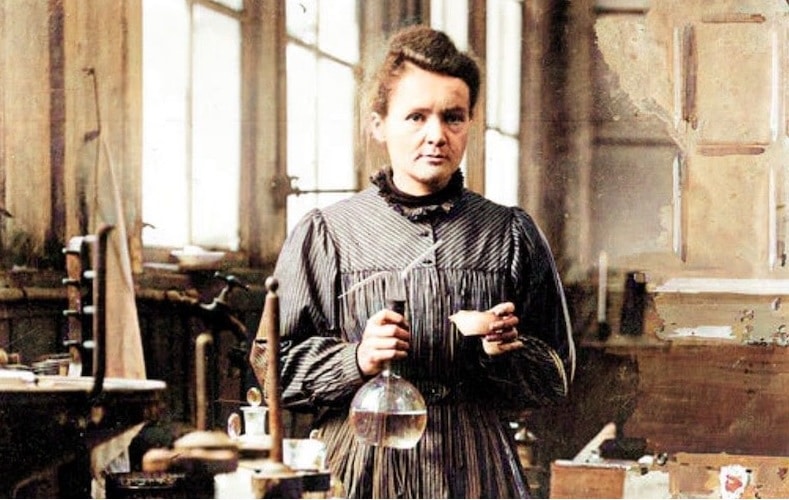
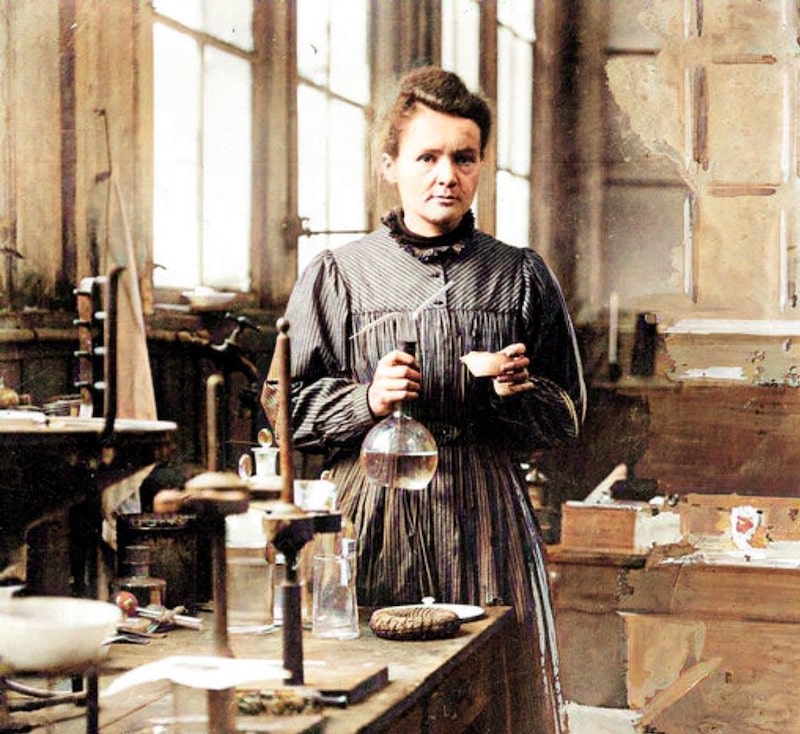
Deep in the San Rafael Swell lie the lonely stone remnants of the Temple Mountain townsite, a remote cluster of stone cabins where Marie Curie, aka Madame Curie, once lived for a short time.
Long before Charlie Steen struck it rich with his discovery of uranium in Moab during WWII, ushering in the age of the atomic bomb, Curie had isolated pure metal radium from uranium salts, triggering a radium boom, and subsequently, a vanadium boom in the Colorado Plateau. Vanadium, it turns out, was a vital component in the production of steel alloys for tools, warships and steel beams during WWI.
Maria Slodowski Curie was born on November 7, 1867, in Warsaw, Russian Empire (now modern-day Poland), and was educated at the University of Paris. She was the first woman to win a Nobel Prize, and the first person to win it twice — the first time in 1903, for discovering radioactivity, and again in 1911, for isolating pure radium.

Uranium from the Temple Mountain mines was sent to France for use in Curie’s experiments, and in one of her many trips to the US, she visited Temple Mountain, allegedly to see where such high-quality ore was coming from.
Around 1921, Marie, along with her husband Pierre, resided temporarily at Temple Mountain, which remained an active uranium mining town throughout the early 1900s. Miners used picks and shovels, and it took gallons of blood, sweat and tears to extract even a tiny amount of uranium from a ton of ore.
Curie became well-known in Emery County, and radium, “nature’s wonder element” as it was called, turned out to be a cure for cancer by destroying diseased tissue, and later, in the development of X-rays. Radium soon found its way into a number of household products including shampoos, hair tonics, toothpastes, skin lotions and baby clothes. Because it glowed in the dark, it was also used for painting watch dials and clock faces, with workers placing tiny paint brushes between their lips to maintain a fine point.
Little was known at the time about the devastating side effects of prolonged exposure to radiation, which, in addition to curing cancer, can also cause it, and those who worked with the toxic substance often suffered horrific health consequences. Curie herself died in France on July 4, 1934 of aplastic anemia, a form of leukemia, caused by the same radiation that would later save so many lives. She was 66-years-old.
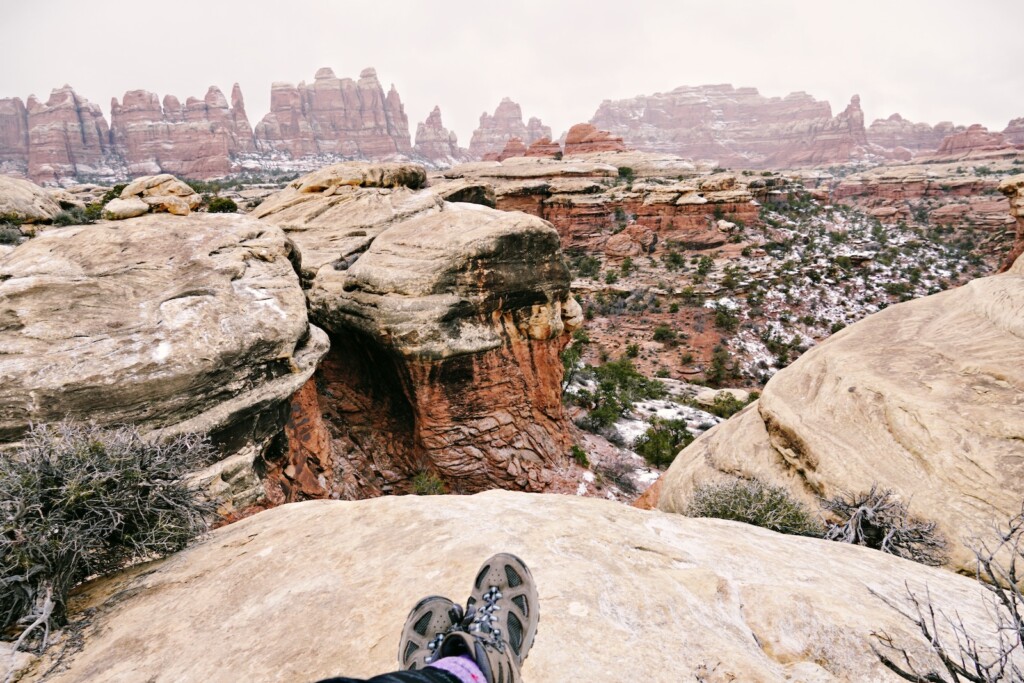
Today, the town lies abandoned in the silence of the surrounding desert, framed by the imposing 6,820-foot Temple Mountain for which it is named, forgotten and ghostly amid the harsh beauty of this stark and stunning landscape.
RELATED CONTENT
Moab’s Old Uranium Roads – Perfect Mountain Biking Trails
Exploring Ghost Towns Royal & Cisco near Moab, Utah
Helper’s Brothel and Mining History: According to Tino
Salt Lake’s Eclectic Past: Salt Lake’s Extensive History of Quarantining Its Residents