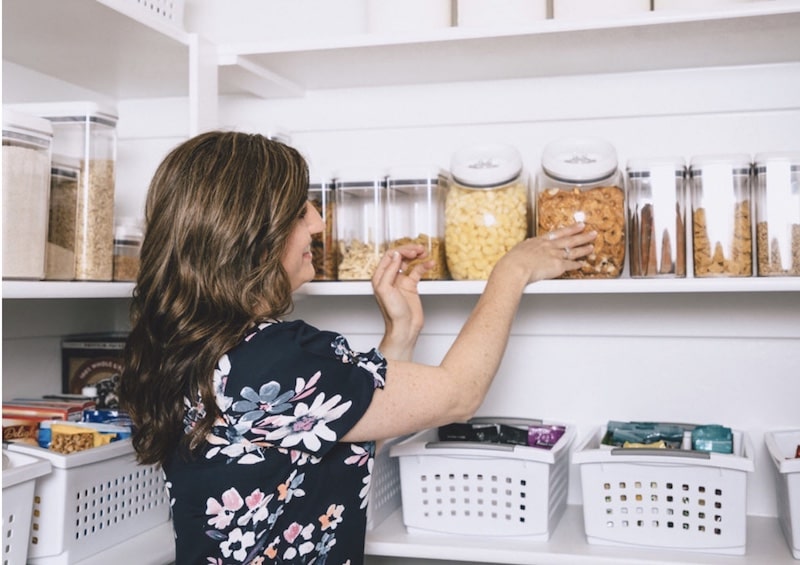
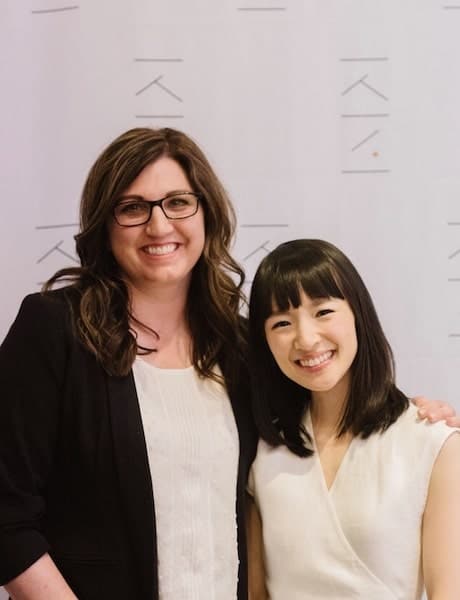
Can decluttering your home and organizing your life really have an impact on your mental health? Mandy Taylor of Tidy at Home Organizing says, “Absolutely.”Mandy has been helping people declutter since 2019. She was certified by Marie Kondo, the ultimate guru of organization, after a lengthy process of training, applications, testing, and practical hands-on work.
She likens self-care decluttering to investing in a trainer at the gym. “I work with people to help them get their lives in shape. They can be overwhelmed and stressed out by not being able to find things in their homes. It can take a toll and cause a lot of anxiety and tension between family members. If your home is in chaos, you can’t come home and relax.”
She starts out by asking her clients to tell her about their ideal lifestyle. She works with people who feel like they don’t know how to get started. Once the process is complete, she says that most people feel lighter, and even the air in their homes feels cleaner.
“Less stuff,” Mandy says, “means less decisions. People can come home and not spend as much time cleaning, or looking for stuff. It leads to better self care and a healthier life.”
Mandy says she has loved decluttering and cleaning since she was a little girl. When she went to friends’ houses to play, she would clean their closets or straighten their desks. She got teased a lot, but she just liked decluttering messes.
Her husband was in the military and they moved numerous times throughout 13 states. That really helped her hone her organizational skills. She had to be creative to make it work. The family moved to Salt Lake permanently about three years ago, and after helping friends declutter their homes, she decided to officially make it a career.
“It is still fun, but now I have a business. I want to help people love their homes and enjoy their families. I love doing it and I love helping people,” Mandy says.
Mandy stays busy with clients who range from single, younger people, to older, retired people looking to downsize. She works with lots of families. She has men reach out to her to have her help their wives.
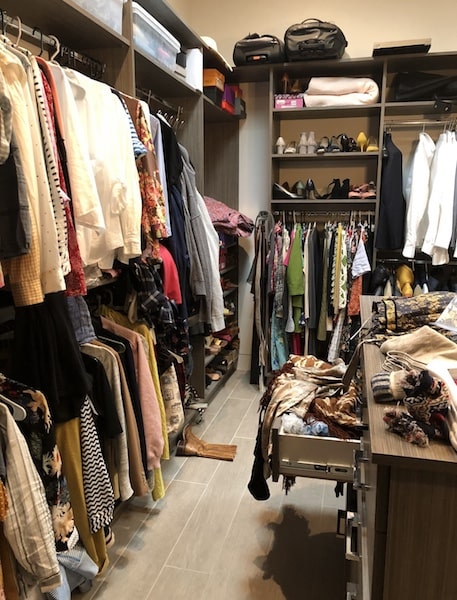
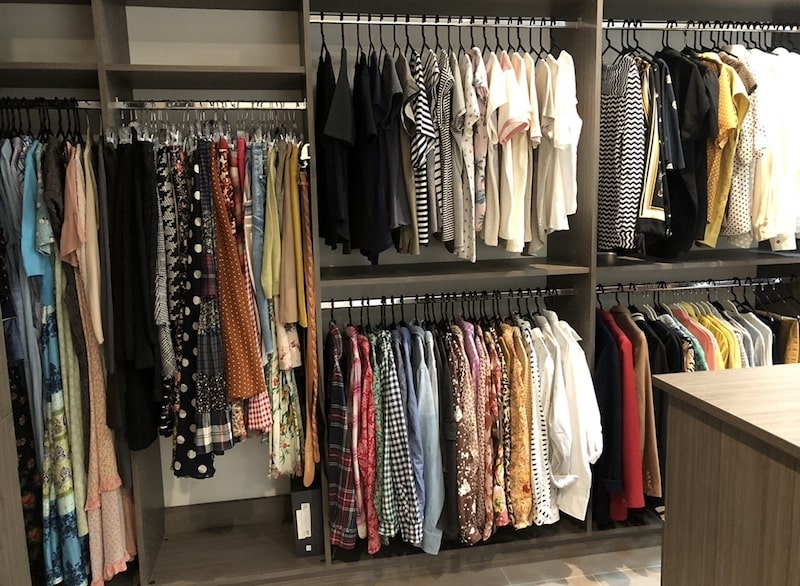
There are those who want her to completely take over and do the whole job. Others just need a little help and training. She says it is almost like a therapy session as she works with clients and they go through items. She enjoys working one on one as people feel more comfortable sharing and processing letting go of items they’ve hung on to. The idea is to keep the things that make a person happy and get rid of the rest and move forward.
“Most people just have way too much stuff,” Mandy says. She sees consumerism as a big problem in America. “People buy a lot of things and then they don’t know what to do with them, or where to put them.”
Storage units are a good example, with people having to rent space to store the stuff that won’t fit in their home. Part of the process of decluttering is to help people see they don’t need to buy as much. As she declutters by category, she helps people see they may need 2 glue sticks, but not 20.
Mandy finds that even if the process starts out as a struggle, most people get into throwing things away. It starts to get fun. As part of the service, Mandy hauls away the discarded items to donate, and brings them back a receipt for taxes.
Mandy has dealt with a few clients that she would classify as hoarders. “It is really hard for them to let go. It can be a traumatic struggle and I can only help so much. It is a very sad thing.” She is usually contacted by another family member in these cases. In dealing with a hoarding situation, it can be more of a mental health issue than a clutter issue.
Some questions she helps her clients ask are: do you enjoy the item, is it something you want in your home, does it fit your lifestyle, would you buy it again? If they can answer yes, she tells them to keep it with confidence. If the answer is no then get rid of it.
“I always encourage my clients to appreciate their belongings and take joy in what they have, but to remember that less stuff is less stress. I want their homes to be places of sanctuary where they can relax and know that everything has a place.”
YOU MAY BE INTERESTED IN READING
Medicine Reexamines Psychedelics – Are psychedelics a valid mental therapy tool?
Five Pillars of Optimal Health
Subscribe to Utah Stories weekly newsletter and get our stories directly to your inbox