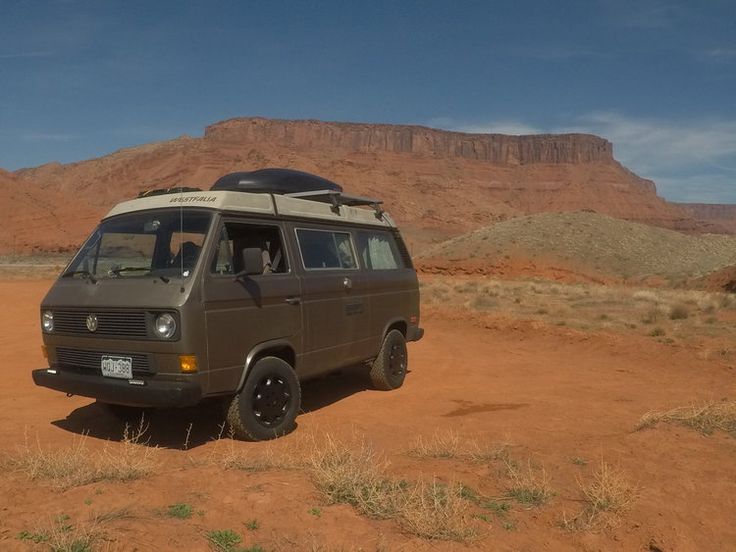
Cindy Martinez has been coming to Moab during the summers to work since 2016. She’s nearing 65, and her husband is 70. Both collect disability, and both live out of their van.
“There are good things and bad things that happen in Moab,” Martinez said. The wages in Moab are high, but the cost of living is higher. Maintaining daily routines while living out of a vehicle is hard, and there aren’t other viable housing options for people in her situation, she said. She likes the climate in Moab, but she feels her worth as an employee is undervalued.
Martinez has worked for hotels and RV parks in Moab, cleaning rooms and cabins, doing laundry and helping with guest services. Though Moab businesses pay well, she has had fall-outs with a few employers. She’s been denied promised sign-on bonuses and given only part-time hours after being hired for a full-time position. Employees feeling expendable, combined with an impossible housing market, makes it hard for businesses to recruit and keep adequate staffing, Martinez said.
“You can still look on the job sites,” she said of Moab businesses. “They’re dying for workers.” Social media posts and help wanted signs around town indicate that many Moab businesses do need extra help.
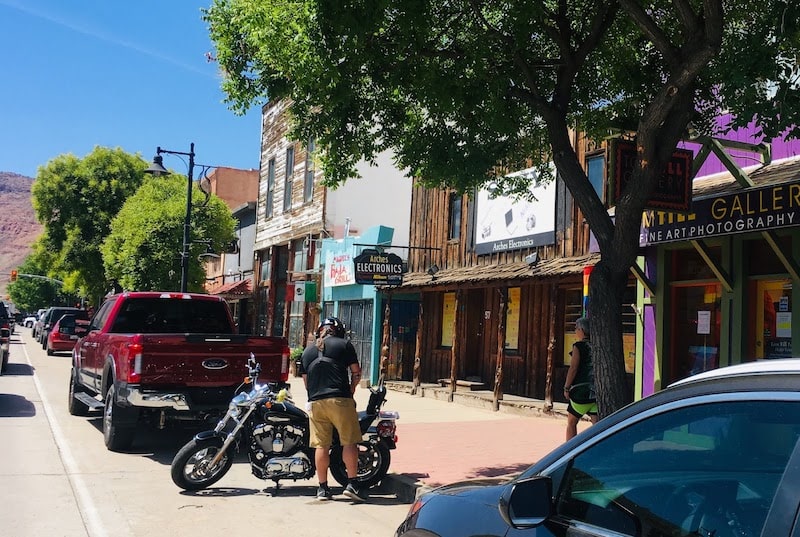
Community leaders are acutely aware of the housing problem in Moab. There are some subsidized affordable housing options: the nonprofit Housing Authority of Southeastern Utah manages three apartment complexes and several other programs to help low- and middle-income earners obtain housing. However, there are usually long wait lists for all of those programs, and all of them require applicants to meet certain criteria to be eligible. Martinez said that when she’s working, her income, combined with her and her husband’s disability payments, can push them above the qualifying threshold for some subsidized programs — but it’s not nearly enough to pay for market-rate housing.
The Moab Area Community Land Trust, a local nonprofit organization, is working on developing a subdivision that will include hundreds of units for low- and middle-income brackets. Moab City has purchased a lot with the intention of building an affordable housing development.
In 2019, Grand County approved a zoning overlay that allows developers to build with increased density in exchange for designating some of their units as workforce housing for people who live and work in Grand County. Projects like these take a long time to get off the ground. In the meantime, some Moab workers still rely on their vehicles.
The City of Moab has considered a temporary ordinance allowing RVs to be parked on private property outside of campgrounds to provide some immediate relief for houseless workers.
Technically, it’s illegal to “camp” out of a vehicle in Grand County unless you’re parked in a designated campground or on federal public lands in areas where dispersed camping is allowed. The City of Moab has had such an ordinance for years. In January of this year, the Grand County Commission passed an ordinance clarifying those rules for county lands as well.
The county attorney told commissioners that sheriff’s deputies needed clearer language to be able to effectively address complaints about nuisance campers and people illegally renting out their yards or driveways. So far, citations have not been issued.
Those circumstances mean it’s hard for people living in vehicles to find somewhere to park for the night, Martinez said. She and her husband have been woken up by police officers in the early hours of the morning while sleeping in their van on the street or in parking lots in town.
Even a tent site with no electrical hookups or sewer at a private campground in town costs around $30 a night. Martinez said one campground quoted her $700 as a monthly rate for a tent site. But driving out of town to free camping on federal land has costs as well.
“When you’ve got to rely on your car to get out of town … you have to worry about how reliable your car is and how much money you have for gas,” Martinez said. In addition to fuel for the van, other expenses come with living in a vehicle: vehicle maintenance costs, propane for cooking, ice, laundromat use, and a gym membership to be able to use the shower.
Sometimes cooking is too much of a hassle, with having to set up a camp stove in inclement weather or in crowded picnic areas after an exhausting day of work. At those times, Martinez said, she and her husband eat out, which is another expense.
Martinez and her husband have left Moab for a milder climate for the winter, but she says she’ll be back in Moab next summer if she can find work. She hopes to save up enough money to buy a better vehicle, maybe even an RV, to make life easier.
MORE MOAB STORIES
Living Without Cars in Moab, Utah
Flying for the First Time over Some of the Most Spectacular Scenery on Earth, Moab Utah
Exploring Ghost Towns Royal & Cisco near Moab, Utah
John W. Williams: Moab’s Wild West Doctor
Moab Utah: The Man Who Quit Money
Subscribe to Utah Stories weekly newsletter and get our stories directly to your inbox
<!–End mc_e