Radio From Hell on X-96 continues to find success in “Sticking it to the Man.”
Outposts of 1980s counterculture in the Salt Lake Valley like Cosmic Aeroplane Records, Bandaloops Café, The Speedway Café, and dance clubs like the Palladium and Ritz, have all disappeared over the decades like so much clove cigarette smoke.
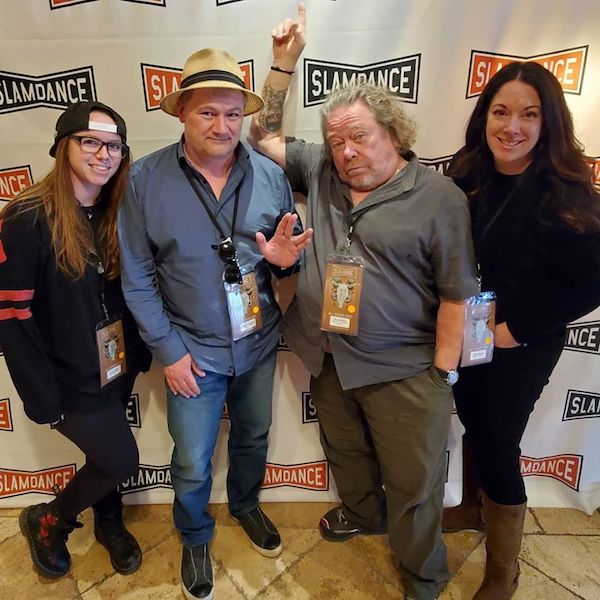
But, while the places are gone and the patrons have ditched the hair gel and goth make up, one particular Salt Lake 80s icon persists. At 6 am every weekday morning for well over 10,000 mornings, the Radio From Hell Show with hosts Kerry Jackson, Bill Allred and Gina Barberi hits the airwaves of KXRK (X96), serving up four hours of talk, takes on local and national news, ridicule of the stupid and inept with the “Boners in the News” segment, and always a healthy dose of disdain for the powerful and the establishment, AKA, “The Man.”
“We used to have consultants come in and say, ‘why are you name checking these other morning shows and making fun of stations like KSL? They’re your competition’,” said Jackson. “To me, from 6 to 10 in the morning, everything is our competition. We say things and make fun of other stations because … they’re The Man, and it’s just what we’ve always been against.”
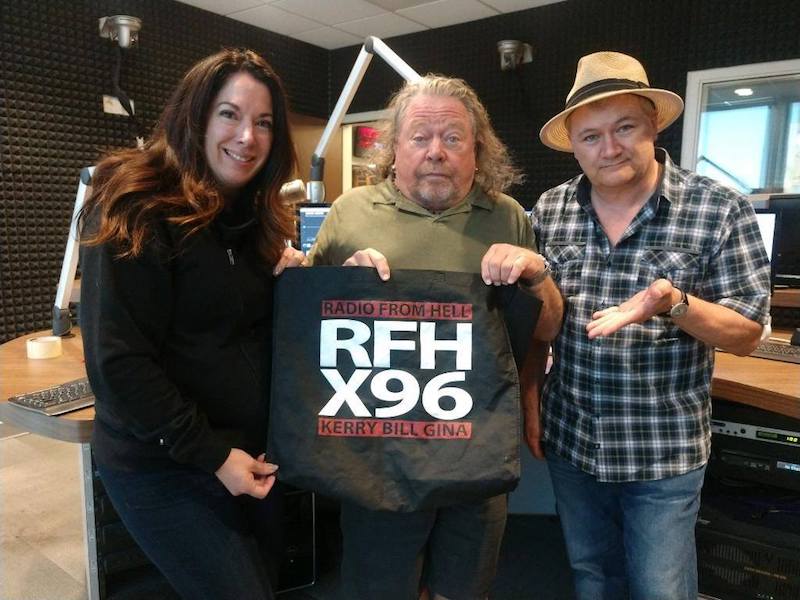
Radio from Hell has been able to carve out a niche by questioning authority in a market not only notorious for being oversaturated with commercial radio frequencies relative to the size of its population, but also one where the conservative Church of Jesus Christ of Latter-day Saints has historic and pervasive media outlets of its own.
The program came from outsider roots on station KJQ in Ogden, which took a chance on playing “Modern Music,” a mix of New Wave and Alternative Rock, with Allred and Jackson in the morning as “The Fun Pigs.” It soon changed to “Radio from Hell”, and the two were joined by Barberi. Allred recalled the early days of the program when they regularly ribbed or “called out” other local morning shows.
“I was on vacation and was listening to one of the other morning shows and they were talking about us. They were saying, ‘Kerry Jackson is alright, but that Bill Allred is a dick.’ That made me so happy. I knew we were getting somewhere,” he said.
The underdog/outsider ethos of the show has certainly worked, and there may be some irony in the fact that the Radio from Hell show has topped the morning show ratings in the state for decades. Rolling Stone magazine cited it as one of the longest running and successful morning shows in the country, and the trio regularly top “best of” lists in Utah.
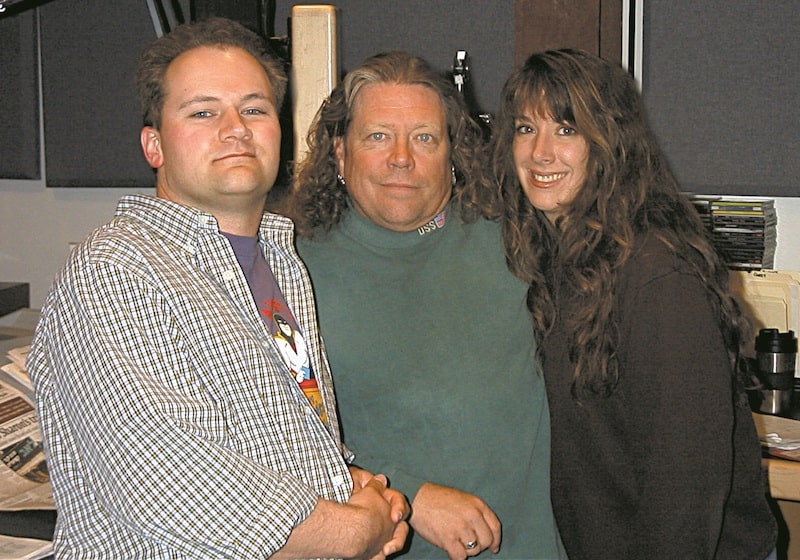
Other stations have put together teams for the morning time slot, and even brought in programs from out of state, but they have so far been unable to topple the show in its morning time slot and a demographic that ranges from teens to long-time listeners now in their 50s and 60s.
“We have listeners (AKA, Friends of the Program) who tell us they listened to us in the car with their parents and now they have us on with their kids in the car. It’s crazy,” said Barberi.
Allred, Jackson and Barberi say the show “works” because they genuinely like each other, but also don’t spend much time together outside the show.
“It’s like a marriage. You have to give each other some space,” Barberi said.
“I don’t like to say it in front of my family, but those four hours a day I spend with Gina and Kerry are probably the most enjoyable of my day,” said Allred.
Jackson said from early on they were able to “do the show we want to do. This is a unique audience and we know our audience. We know where the line is and we know how far we can go.”
The irony of being on top while holding on to an outsider identity is not lost on Jackson.
“There was a time I was thinking, ‘Have we become the Man?’” he said. But Jackson said the trio will regularly hear from upset listeners or hear grumbling from management and more consultants will be brought in to tell them how to change the show.
“I’m proud we’re still considered controversial,” he said.
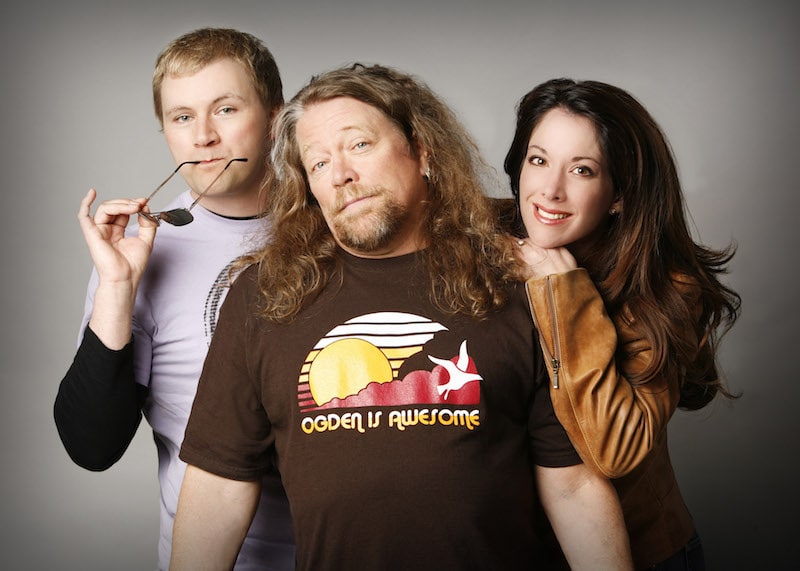
The hosts regularly chide Utah’s conservative lawmakers, the LDS Church, Utah Liquor laws, and other quirks and icons of the Beehive State. The feature, “Utahnics”, had fun with the unusual pronunciation of native Utahn’s for whom “Sail” is pronounced “Sell”, and “Creek” is pronounced “Crick”, for example. It also led to the show’s longest running segment, “Boners in the News”, where listeners vote for the worst examples of funny or stupid behavior and often features local news stories.
“We kid, but we do love this state,” said Barberi. “It is like being with your family. You give them a hard time because you love them. We love Utah. We live here and we want to make it better.”
Subscribe to Utah Stories weekly newsletter and get our stories directly to your inbox
nbsp;