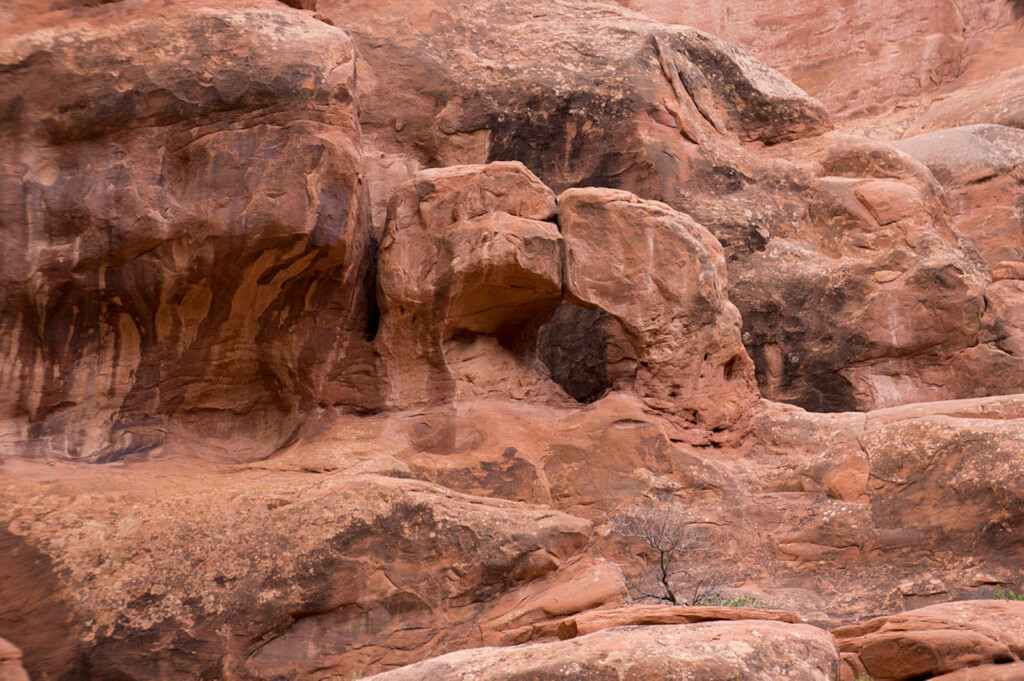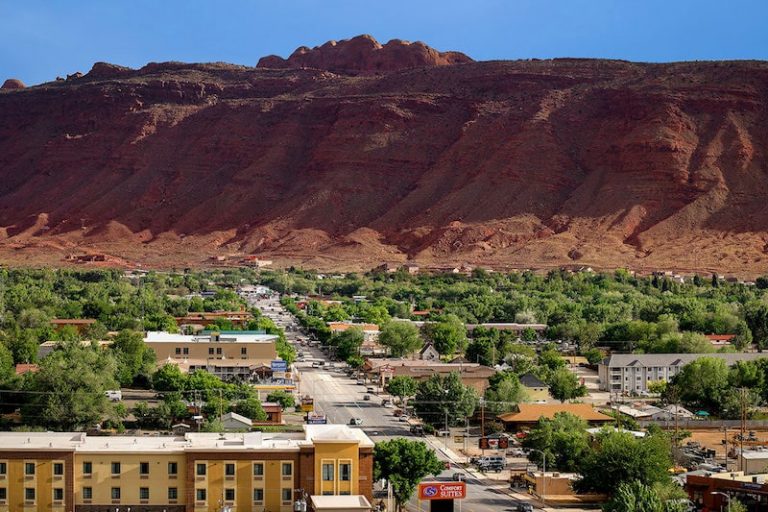
There are moments in life that are full of bliss, like when you can sit on a warm red rock that has been saturated with radiant heat from a star nine million miles away. The experience connects you to the Universe, and as you fall further into the peace, you soon realize that all you can hear is the sound of the wind blowing through the canyons, and in the distance you hear crows cackling at the pure joy of catching a warm updraft on a perfect March afternoon. This is Moab “off-season”, and it is pure ecstasy, right up to the point when you think about the upcoming season, and, Bam! Moment lost.
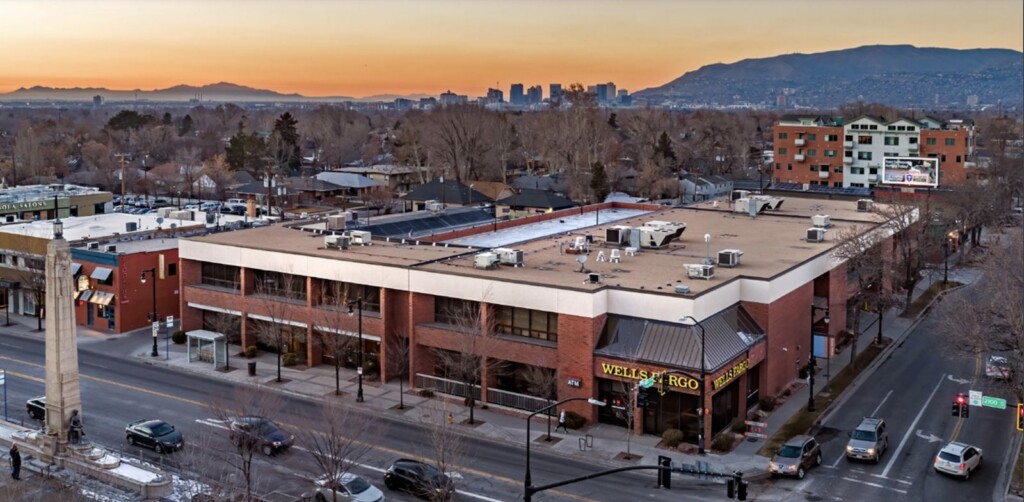
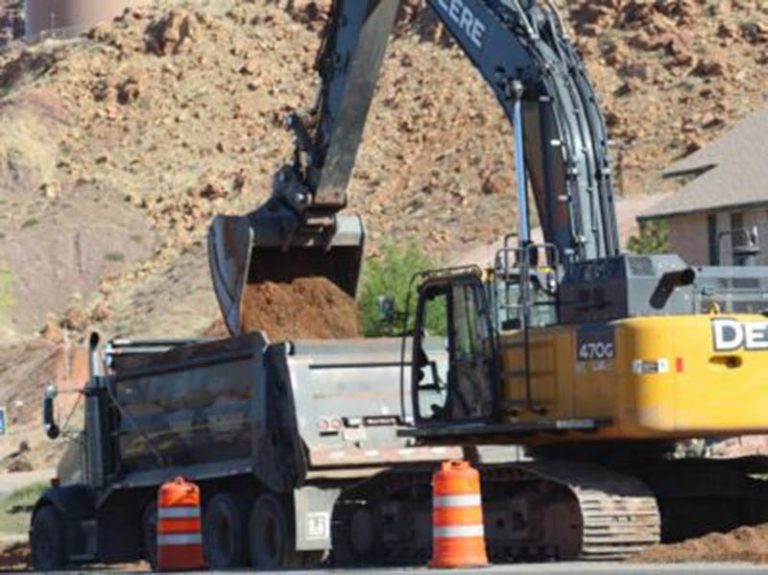
Moab is experiencing major growing pains, and the local frustration palpable across this little, big town, and one of the bigger topics causing disruption, is the construction site of Wyndham Destinations. This property promises to be a great development for Grand County and the City of Moab, as some people feel it brings promise to the tourism giant that Moab has become.

The public relations department of Wyndham Destinations stated, “The company’s commitment to being a great neighbor was thoughtfully applied through our design of the building. We believe the resort’s design is in character with the nearby businesses and the natural landscape. The extra consumer spending creates jobs in local economies. As a result of this new development, 70 permanent jobs with competitive pay and benefits will be available after the resort opens. We think this new property will enhance life in Moab for the community and visitors alike, and we’re excited to open later this year.”
The majority of local residents have their doubts about what the development will do for locals, because oftentimes they are left struggling to pay higher property taxes, suffer extreme shortages of affordable housing, endure high vehicle traffic and a constant buzz from UTV’s during the on-season. Many feel that this development will only further the overburdening of infrastructure systems like water and sewer, not to mention more of an inequality gap between the haves and the have-nots.
Yes, this will bring jobs, but local businesses are already scrambling to find employees for all the tourist industry jobs this season. Every season sees a flood of open jobs with limited responses to fill them. The high cost of living, lack of affordable housing, and seasonal jobs are notorious for not being affordable, and only pay around minimum wage. There are approximately 5,500 residents that call Moab home, and Moab hosts millions of visitors annually. The math figures out to be about one resident to 500 tourists per year.
Local John Binger commented, “I think things need to slow down across the board. Every aspect is moving too fast for a town this size. More planning. More consideration for everyone.”
Local residents comment on the “no left turn” season, overworked public safety departments, including Grand County Search and Rescue, which is the busiest in the state of Utah. A large number of residents have commented on social media pages that if the TRT rates could be audited differently, maybe more tax dollars could be spent on vital areas like infrastructure, but monies go back into tourism spending.
When asked if the flavor of Moab will change with this new development, local resident Kerry Soliz said plainly, “Moab has sold its soul.” Frustrated, she continued. “Sincerely, it was sold long ago. Residents come second here. Visitors come first, it seems to me.”
Local resident and business owner, Sarah Barstow, recently wrote an opinion story in one of Moab’s news publications, that she contemplated writing a “Dear John” letter to Moab. “Dear Moab, I’m sorry, but it’s not me, it’s you.” She goes on to explain that although she is disenchanted with Moab, she still wants the “relationship” to work because she still sees the good in Moab, especially the people who live and work in Moab year-round.
Barstow reinforced that long-time visitors have expressed their frustration with her about the over-development of Moab. “I can’t tell you how many tourists have apologized to me this year, saying, ‘Wow. What has happened to Moab?’ ‘Are you okay?’ They ask it as if I’ve suffered a loss. And in a way, I have. We all have.”
Long time visitors have told her that they will only come in the off-season, and a lot of locals won’t come to town as much during the on-season.
Moab has gone through a lot of extremes in its lifetime, from its infancy, beginning with the Native American tribes, the Spanish invasion, the occupation of Mormon settlers, the uranium boom and its subsequent bust, to its current status as a major world destination, and there are going to be moments of disorientation from rapid growth. Change is the only thing constant in our world, and learning to adjust is most likely the only solution to Moab’s newest development.