Utah Stories

UPROOTED: The Massive Destruction of The Salt Lake City Hurricane

Tuesday, September 8 will go down as one of the biggest natural disasters in Salt Lake City, when Hurricane-force winds blew up to 100 mph.

|

Salt Lake City hurricane

Tuesday, September 8 will go down as one of the biggest natural disasters in Salt Lake City, when Hurricane-force winds blew up to 100 mph.

Salt Lake City mayor Erin Mendenhall declared the city in a state of emergency. Later the governor Gary Herbert declared Utah in a state of emergency as well.

Hundreds of trees fell over onto powerlines causing power outages. Over 300,000 residents were without power by Tuesday afternoon. Even four days later 100,000 were still without power.

But the big and long-term effect was the uprooting of hundreds of trees. Many were some of Salt Lake’s tallest trees. Several of the largest Cottonwood trees in Liberty Park are left leaning, cracked, or completely uprooted.

WATCH the Utah Stories “Hidden Utah” Show to see the devastating images.

LISTEN TO THE PODCAST:

FOR MORE UTAH STORIES PODCASTS GO HERE.



Join our newsletter.
Stay informed.


  • 5 Lesser-Known Utah State Parks Worth Discovering

    Utah’s five national parks often steal the spotlight, but the state’s lesser-known parks can offer something just as memorable, offering easier access, fewer crowds and a more personal connection to the landscape. 


  • The Utah Farm That Refuses to Give Up as Development Closes In

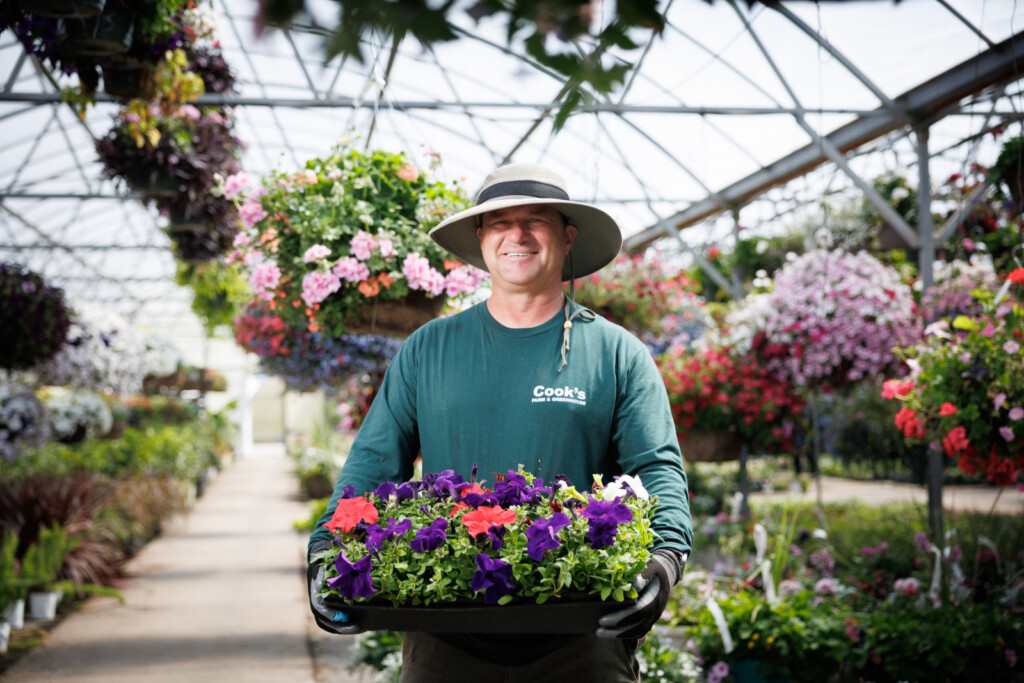
    Running a farm is hard enough, but rapid city growth makes it even tougher. More than a decade ago, the late Verl Cook faced a series of staggering hurdles that threatened to wipe out his family’s livelihood.

    First, the city decided to treat the Cook’s greenhouse — the most profitable part of the farm — like a big-box retail store. They demanded the family build a paved parking lot, a project that would cost $200,000.


  • Future Craft Farm Launches First CSA Season in Salt Lake City

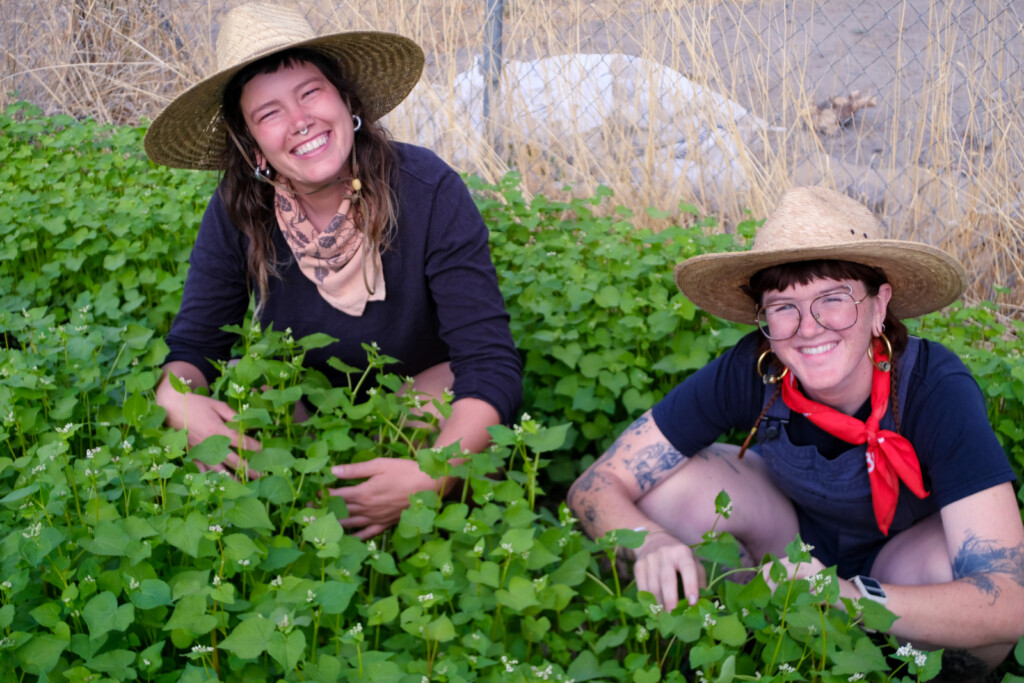
    Hall and Scheig found their land last June and broke ground just two months later, transforming what was essentially a blank canvas into a diversified market garden. This year marks their first full growing season, and they’re launching it with a community supported agriculture program, or CSA. CSAs allow people to support local growers by purchasing a season’s worth of produce upfront, giving farmers the financial stability they need during the most expensive part of the year.


  • Why Utah Loves Dirty Soda: The Story Behind the State’s Sweetest Craze

    Why would a state known for avoiding coffee create one of America’s most successful beverage trends? Why would people willingly add cream and flavored syrups to drinks that already contain more than enough sugar? And why are Utahns willing to wait in long drive-thru lines for something they could technically make at home?