
In just the click of a few computer keys your personal identity or your business client lists can be in the hands of criminals willing to sell anything of value on the dark web.
How do you fight criminals that spend their waking hours figuring out how to get through your security systems and firewalls as quickly as you put them up?
One company, INVISUS, has solutions.
James Harrison, CEO of INVISUS, started his company almost 20 years ago after one of his businesses was hacked “pretty hard.” The experience took him down a road of investigation in how he could protect himself from it ever happening again. While finding some solutions they were mostly unaffordable for small business owners or individuals.
He filled the niche by starting INVISUS to provide real cyber security at affordable prices.
Harrison explains, “Most people don’t have the skillset or the knowledge to become adequately skilled in cyber security to protect themselves or their business, and it can cost a lot of money to implement an outside cyber defense plan.”
Invisus is Latin for invisible because the goal of the company is to make businesses invisible to the bad guys. The protections are simple, up-to-date solutions that are affordable to small businesses and families.
So, how does it work? For individuals, rather than contracting with different companies for different problems, INVISUS offers the whole package – identity and credit protection, personal and home technology protection on everything from computers to Alexa to a smart garage door opener, and online safety monitoring of social media, scams alerts, and parental controls.
“Five years from now every home will know who their cyber defense person is just like their doctor,” says Harrison.
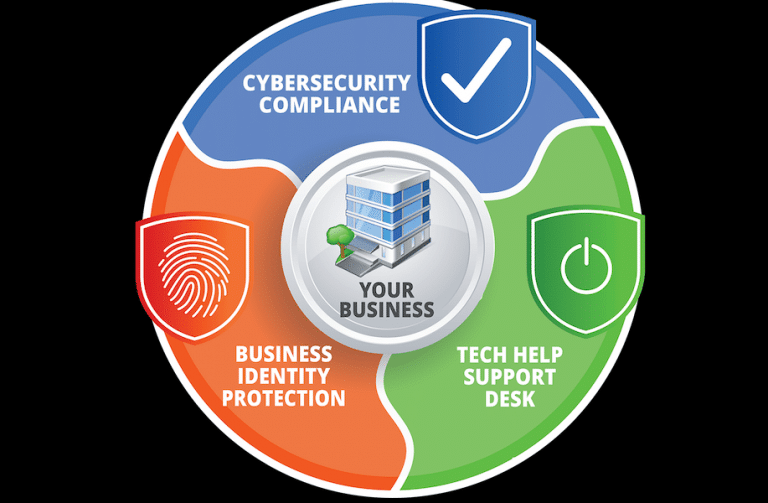
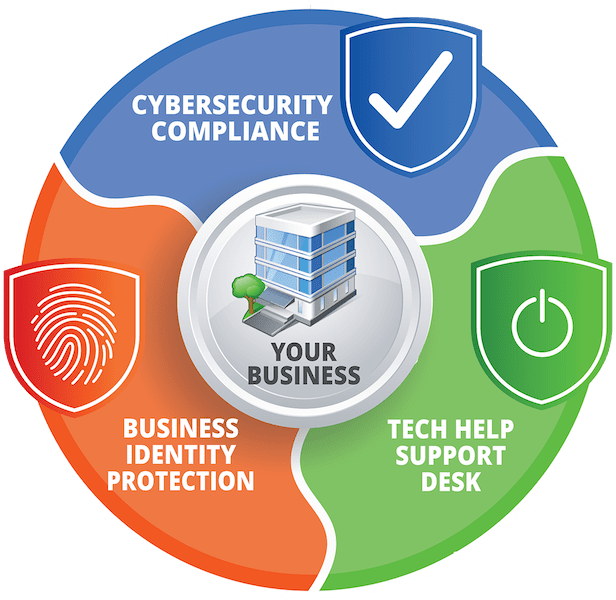
For a small business owner, INVISUS offers help beyond what their “IT guy” can offer by providing business identity and employee identity fraud protection to protect against identity theft through payroll or client lists.
They also offer remote technological cyber security for in-house computers and computers used while employees are tele-commuting protecting not only the workplaces but the business files even when employees are working from home. Harrison says more and more hackers are targeting remote workers as the work environment changes.
A third service is help with compliance with data breach laws and setting up a cyber defense plan in conjunction with the laws. Not only do businesses face attacks from ransomware or data breaches, they have to deal with Federal and State laws that may have been violated by a lack of security. The laws get more and more complicated and create a headache for small businesses who can’t afford a dedicated cyber security person to keep up. If a business suffers a breach and it is discovered they weren’t complying with laws they may not even be aware of, they could be facing huge fines.
“60 percent of businesses got out of business in 12 months after a breach,” says Harrison. And the bad guys want that data. They can typically sell client information on the black market for $500 per client name.
The keys words for INVISUS are simple and affordable, putting together in one place, solutions to cover a variety of cyber security problems.
The Utah based company has expanded to all 50 states and also internationally. They are currently looking to expand to India. Harrison says that the company’s success is driven by need. “It is a great ride as we continue to evolve and create solution sets as the cyber risks change literally from one week to the next and the threat landscape changes from week to week with the bad guys always one step ahead.”
James is the founder and CEO of the cyber defense solutions company INVISUS. As chief strategist for INVISUS, he leads the development of the company’s cybersecurity, identity theft, and InfoSafe® data breach compliance and breach response lineup that protects businesses and organizations throughout the U.S. and internationally. James frequently writes for, speaks and trains in a wide variety of industry and trade groups including financial services, legal, insurance, IT services, home security, and more.