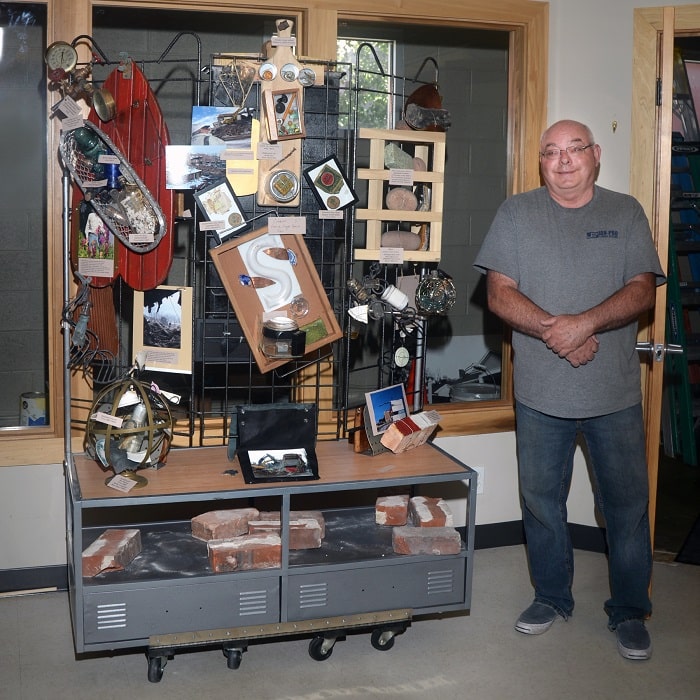
Jim Kirkman
Jim Kirkman was known as many things to his friends and family in Sugar House: Master Gardener, educator, an encyclopedia of desert knowledge, an archaeologist with a reverence for what came before us—and a selfless individual always willing to lend a hand.
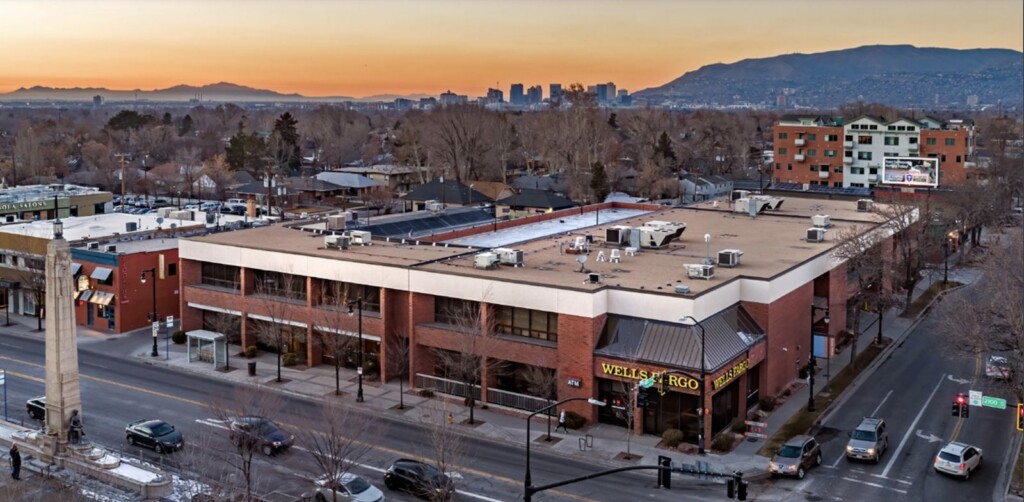
Kirkman passed away in May from cancer, but his legacy lives on in the form of a sculpture crafted from artifacts he unearthed when the building at the corner of 2100 South and 1100 East—now anchored by Wasatch Brew Pub—was demolished in 2008.
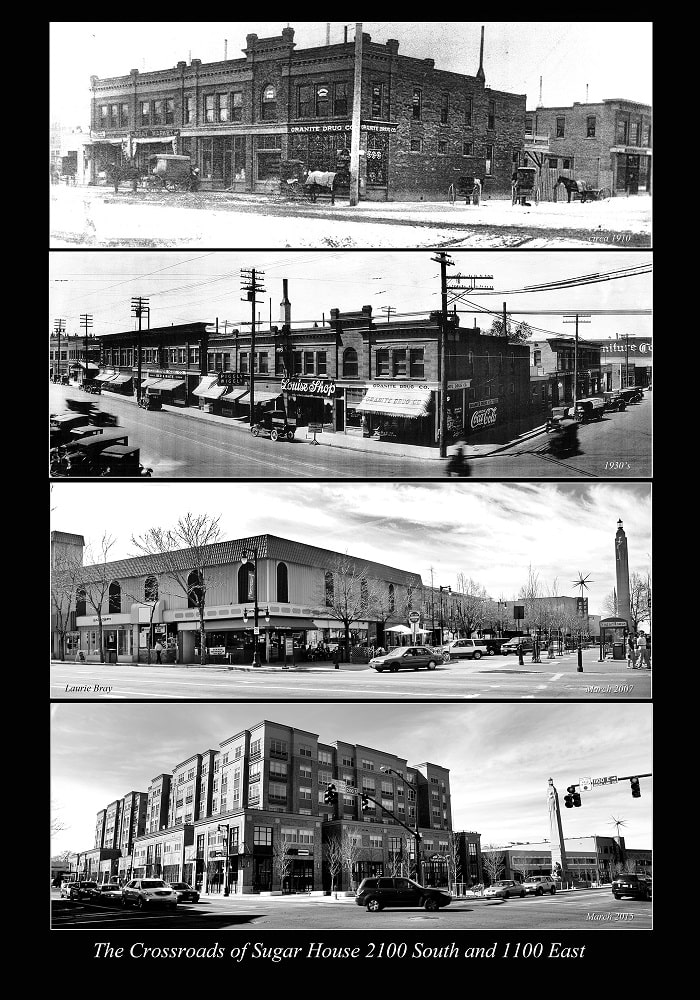
The building underwent many interior changes over the years prior to its razing, but it was originally constructed in the early 1900s. When the market crashed, the vacant lot, known as the Sugar Hole, sat undeveloped for years, until construction resumed in 2012.
Throughout his career with the Division of State History, Kirkman worked on over 200 archaeological digs, excavating and identifying everything from dinosaurs to Native American pottery. It was a natural extension for him to combine his love of archaeology with the neighborhood he called home.
Kirkman’s friend and photographer, Laurie Bray, commissioned sculptor Lawrence Adkinson to transform the objects he found in the lot into a work of art that memorializes not only the rich history of the Sugar House area, but the man who was committed to remembering the community’s roots.
“These artifacts, some of them date back to the late 1800s,” says Bray. “He dug all of these objects up and identified every one of them. He was so knowledgeable about the history of this place.”

Before his passing, Kirkman went to local schools to present the artifacts and explain their significance for Sugar House. Granite Drug was housed in the building for decades, so many of the artifacts he found are old medicine bottles and product packaging from the 1920s. One Denhalter & Sons soda bottle, he estimated, came from the 1890s when Utah was still a territory. He also discovered grinding stones with peck marks that he believed were from around 1400 A.D.
The Sculpture
Using a base on wheels so the sculpture can be viewed from all directions, Adkinson attached these artifacts, along with marbles, assorted ceramics, signs (like one for 5-cent cigars), tiles, bricks, a horseshoe, bottle caps and more. Each item is identified with a label and date.
“When I met Jim for the first and only time, he explained everything about where these objects came from. With his passion, it drove me to really work on this. I worked with the passion that he had,” says Adkinson. “It impresses me that people are trying to add historical meaning to these objects and to take the time to understand where they live on their own block and own city.”
The sculpture spent six weeks on display at Local Colors of Utah Art Gallery. Bray is currently searching for a permanent home for the piece in Sugar House.
Unfortunately, Kirkman was never able to see the finished sculpture before his passing, but those close to him know he would have been proud of the final product.
“He would have loved it,” says Brad Wolverton, a close friend of Kirkman. “It’s important for people to know that there is a past—that there were other people here before. Jim loved teaching people that. He really loved teaching.