Utah Stories

Simple recipe for roasted pork tenderloin

Simple recipe for roasted pork tenderloin

|


Photos by Ted Scheffler

Pork Provençal

I’ve been lucky to be able to spend a fair amount of time in the Provence region of France. It’s there that I learned to love rosé wines, Cavaillon melons, pastis, petanque, and the sunny disposition of Southern France. Garlic, rosemary, and fennel are ingredients commonly used in the region. Here is a simple recipe for roasted pork tenderloin that, for me, summons up the flavors of summers in Provence.

Ingredients for roasted pork:

1 pork tenderloin, about 1 ½ lbs.
Kosher salt and freshly ground black pepper
1 Tbsp olive oil
2 cloves garlic, minced
1 Tbsp whole fennel seeds, coarsely ground in a mortar and pestle or spice grinder
1 Tbsp minced fresh rosemary
1 tsp finely grated orange zest

Roasted pork method:

1. Position a rack in the center of the oven and heat the oven to 450°F. Brush the pork all over with olive oil and season generously all over with salt and pepper.
2. Combine the garlic, fennel seeds, rosemary, and orange zest, and press the mixture all over the pork.
3. Transfer to a small rimmed baking sheet or ovenproof skillet, and roast until an instant-read thermometer inserted into the thickest part of the pork registers 135°F, about 20 minutes.
4. Let rest on a cutting board for 5 minutes before slicing and transferring to a platter. Pour any juices from the cutting board and the baking sheet over the pork and serve.

FOR RESTAURANT REVIEWS GO HERE

THIS CONTENT IS FROM UTAH BITES NEWSLETTER.

GET OUR WEEKLY RESTAURANT REVIEWS, TED’S FAVORITE RECIPE AND DRINK OF THE WEEK DIRECTLY TO YOUR INBOX. TO SIGN UP FOR FREE GO HERE.

Originally trained as an anthropologist, Ted Scheffler is a seasoned food, wine & travel writer based in Utah. He loves cooking, skiing, and spends an inordinate amount of time tending to his ever-growing herd of guitars and amplifiers.

SUPPORT OUR SPONSORS: click on their logos to visit their website


[envira-gallery slug=”food-logos”]

, , , , ,


Join our newsletter.
Stay informed.


  • The Utah Farm That Refuses to Give Up as Development Closes In

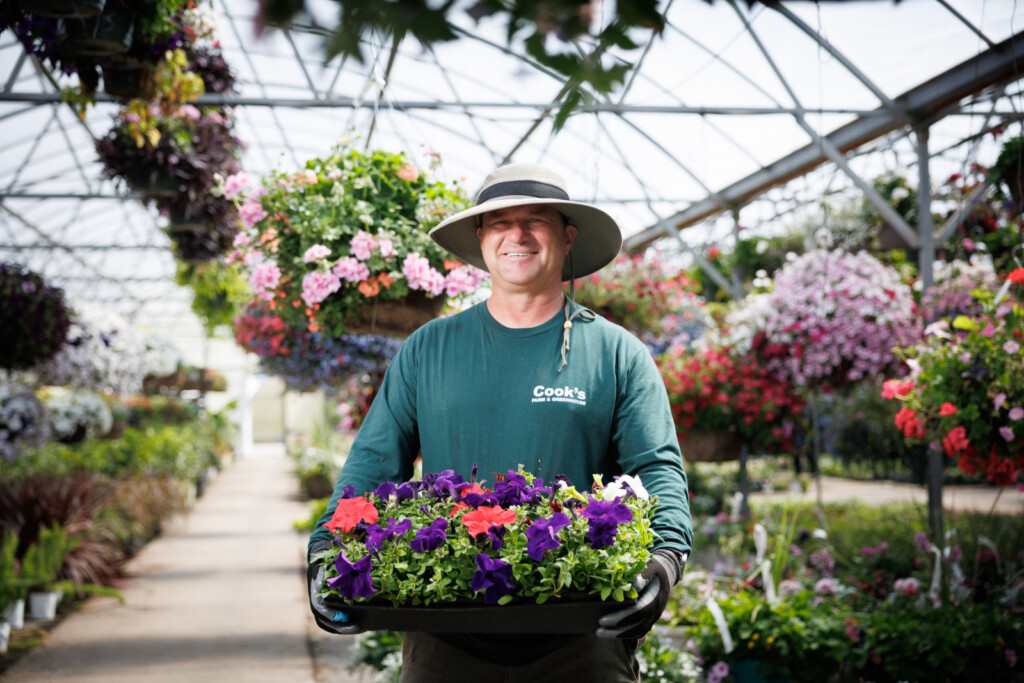
    Running a farm is hard enough, but rapid city growth makes it even tougher. More than a decade ago, the late Verl Cook faced a series of staggering hurdles that threatened to wipe out his family’s livelihood.

    First, the city decided to treat the Cook’s greenhouse — the most profitable part of the farm — like a big-box retail store. They demanded the family build a paved parking lot, a project that would cost $200,000.


  • Future Craft Farm Launches First CSA Season in Salt Lake City

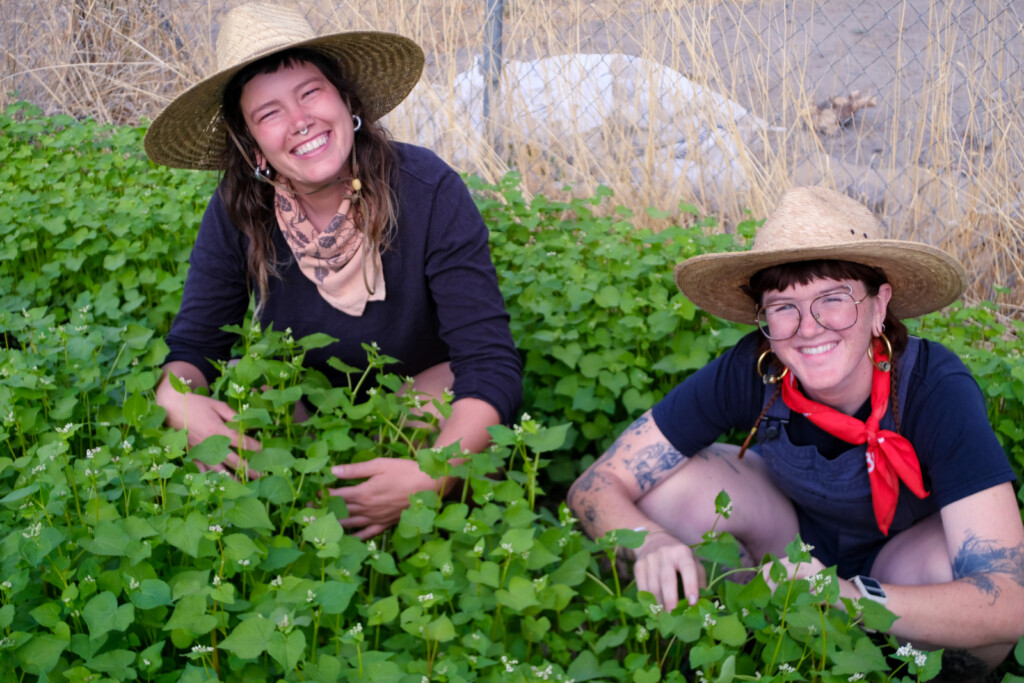
    Hall and Scheig found their land last June and broke ground just two months later, transforming what was essentially a blank canvas into a diversified market garden. This year marks their first full growing season, and they’re launching it with a community supported agriculture program, or CSA. CSAs allow people to support local growers by purchasing a season’s worth of produce upfront, giving farmers the financial stability they need during the most expensive part of the year.


  • Why Utah Loves Dirty Soda: The Story Behind the State’s Sweetest Craze

    Why would a state known for avoiding coffee create one of America’s most successful beverage trends? Why would people willingly add cream and flavored syrups to drinks that already contain more than enough sugar? And why are Utahns willing to wait in long drive-thru lines for something they could technically make at home?


  • Utah’s Housing Debate Misses the Question That Matters Most

    A generation ago, homeownership was not reserved for the affluent. Working-class families bought modest homes on modest incomes. They built equity, raised families, and entered retirement with a valuable asset largely paid for.

    Today, many Utah families find themselves in a different position. They may earn too much to qualify for housing assistance but too little to purchase a home. They rent apartments that consume an increasing share of their income while saving for a down payment becomes increasingly difficult.