Healthy Utah

Mobile Moon Co-op

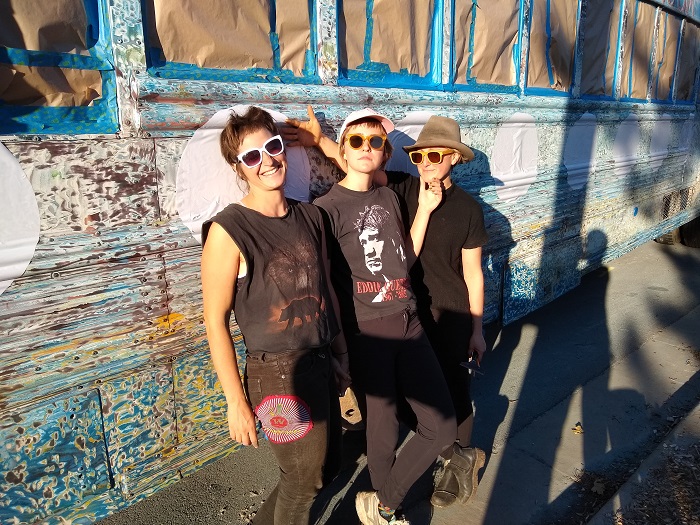
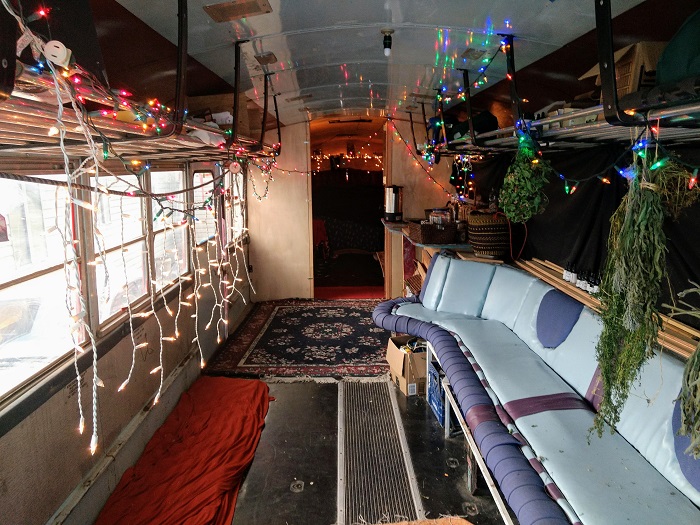
The Mobile Moon Co-op is a community herbal apothecary housed in a converted bus. Think of it as first aid on wheels. Founded last year by Salt Lake City resident Erika Longino, the mission of the Co-op is to bring people together over herbalism, wildcrafting, and growing and using herbs from home gardens. The organization…

|


Photos by Kelli Case.

The Mobile Moon Co-op is a community herbal apothecary housed in a converted bus. Think of it as first aid on wheels. Founded last year by Salt Lake City resident Erika Longino, the mission of the Co-op is to bring people together over herbalism, wildcrafting, and growing and using herbs from home gardens. The organization operates as a platform for free education, empowerment and botanical stewardship here in Salt Lake City.

“By working with and learning from the land, plants, and fungi, a healthier, more fulfilled way of life is possible for everyone,” Longino explains.

The Mobile Moon seeks to create a safer space for people to access alternative healing through botanical medicine while elevating the voices of women and queer folk in the local herb, food and art movements.
Since getting started, Erika has offered a number of free workshops at Salt Lake City’s Main Library, Moab Pride, and a handful of other locations and smaller events sprinkled throughout west Salt Lake and downtown. They have also hosted several moon ritual gatherings for femme-identifying people surrounding the phases of the moon.

The co-op is involved with a number of alternative press events and zine fairs. Every solstice and equinox, the Mobile Moon produces a 16-page zine that includes interviews with community members, a newsletter update, information related to herbalism, essays, poetry, and visual art from the community.

The apothecary is intended to serve women and gender minorities, but it is open and inclusive of anyone who would like to get involved. Everything the Mobile Moon Co-op does is by donation — it’s a purely not-for-profit endeavor. Co-op members can use the bus and its herbs to make their own salves, tinctures and teas. The bus is available by appointment (kind of like a food truck) for events or workshops on topics such as herbalism, women’s health, and queer philosophy.

There are frequently work parties with tasks like bus renovations, building projects, and herb processing. The bus is outfitted with drying racks and most everything needed to bring people together to process fresh herbs.

The co-op strives to use as many donated locally-sourced herbs as possible. It also accepts cash donations. However, the best way to get involved is to just show up to share and partake of the spirit of herbalism.

The Mobile Moon is holding a Winter Solstice Fundraiser at Wasatch Commons (1411 Utah St, Salt Lake City, UT 84104) on December 15th at 7pm. There will be a sale and auction of locally handmade self-care and botanical products. Guests can expect performances by local artists and the event will conclude with a tea ceremony hosted by the Utah Tea Guild.

The suggested donation is $35 per ticket, but this will be waived for those who help with the event. Funds raised will primarily go toward local immigrant justice, supporting marginalized members of the community and the mission of the co-op.

More information can be found on Facebook  and Instagram

,


Join our newsletter.
Stay informed.


  • Cold Case Ice Cream: Utah-Made Mystery

    Cold Case Ice Cream is delivering more than dessert. With high-butterfat, inclusion-packed flavors and a built-in mystery game inside every six-pack, the Utah-born company is gaining national attention and gearing up for major production growth.


  • Utah’s First Capitol Wasn’t Salt Lake City

    Utah’s early territorial years were full of unexpected decisions, shifting plans, and political experiments that shaped the state long before modern borders were drawn. One quiet community along I-15 played a far more central role than most people today realize, and its historic Statehouse still carries the traces of those early struggles, successes, and surprises.


  • Chronic Disease in America: Treating Too Late, Prescribing Too Much

    Every January, Americans reflect on the year behind them and draft a familiar list of resolutions. Eat better. Lose weight. Exercise more. Reduce stress. These intentions recur not because people lack discipline, but because the underlying health conditions driving them persist.

    Despite unprecedented medical spending and pharmaceutical access, the United States remains chronically unhealthy. According to the Centers for Disease Control and Prevention, more than 76 percent of US adults live with at least one chronic condition, and over 51 percent live with two or more. The most prevalent conditions are well documented. Heart disease remains the leading cause of death, accounting for 680,981 deaths in 2023, while obesity affects more than 40 percent of US adults. Diabetes impacts 38.4 million Americans, and nearly half of adults have hypertension, a major contributor to stroke, kidney failure, and heart disease.

    Treatment typically begins once disease is clinically apparent, and often relies on pharmaceuticals. Over time, this approach can lead to polypharmacy, the use of five or more medications. Patients with chronic illness frequently average two to four comorbidities, each managed independently, increasing the likelihood that side effects from one medication require another.

    To access this post, you must purchase Utah Stories (Digital + Print) or 3 month free trial (Digital).


  • Why We’re Less Healthy Than Our Parents and What Happened

    Something has gone wrong with our health. Each generation appears sicker than the one before, despite spending more on medicine than any society in history. At the same time, trust in once-authoritative sources of health guidance has eroded as pharmaceutical advertising increasingly blurs the line between reporting and recommendation. This piece examines how lifestyle, food, and institutional incentives reshaped our understanding of health—and why reclaiming it may require more courage than another prescription.

    To access this post, you must purchase Utah Stories (Digital + Print) or 3 month free trial (Digital).