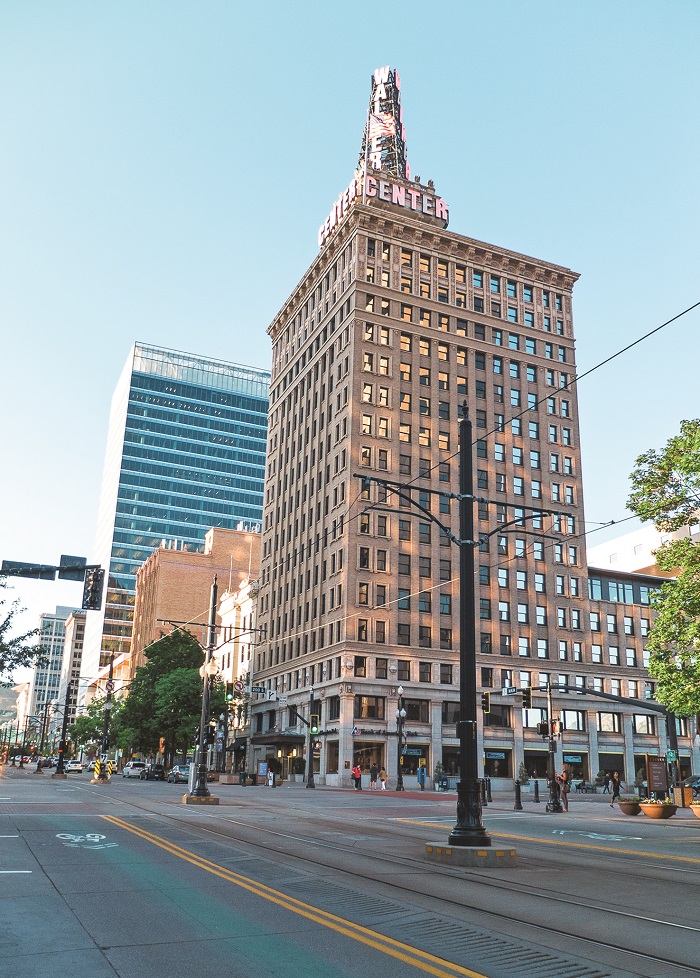
Downtown architecture first captured my imagination when I was able to participate in the grand re-opening of the former First Security Building on 4th South and Main Street after its restoration by Wasatch Property Management.
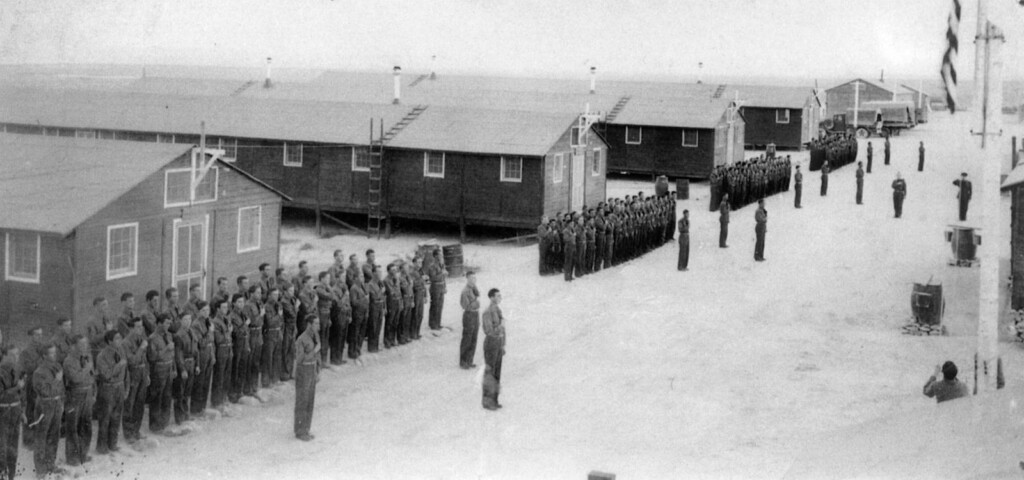
The building had just been placed on the National Register of Historical Places. There were photos from the building’s construction and opening in 1955, as well as a visit by the original architect, W.A. Sarmiento. It was the first skyscraper built in Salt Lake City in almost 30 years, and was the second building of its type constructed in the world.
The distinctly 50s-era steel and glass design incited heated debate by citizens and tourists alike over the years: people either loved it or hated it. After I learned about its history, I definitely loved it.
Salt Lake City’s Main Street—which was never intended to be the heart of the city’s central business district—is full of other architectural treasures as well. Few people know that Main Street was originally named East Temple Street, meant to be part of a self-sufficient, agricultural utopia planned by LDS settlers.
When small stores started springing up along the street during the 1850s, Main Street as we know it today was born. The following Utah Stories Walking Tour highlights some of the most interesting and exciting buildings along this historic street.
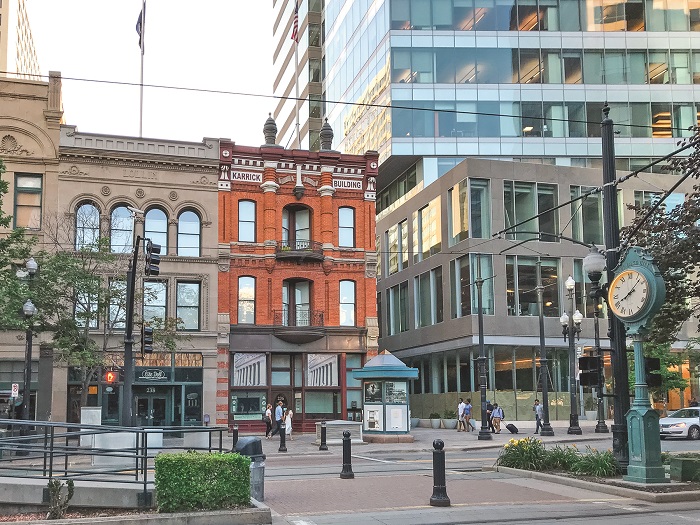
Karrick Block, 236 South Main
Built in 1887, the Karrick Block is the oldest example of the architectural genius of Utah architect Richard Kletting. Kletting is most recognized for designing the State Capitol Building. The Karrick Block was one of his first commercial works. The ornate carved stone facade and cast-iron columns give little hint to the fact that this building once housed a gambling hall and apartments for eight prostitutes who occupied the second floor.
Centennial Bank Building, 208 South Main
One of the narrowest buildings along Main Street, the 13 stories of the Centennial Bank Building (which currently houses Hotel Monaco) are emphasized to impressive effect. Originally finished in 1924, the building was home to another swanky downtown hotel, The White House, while Centennial Bank occupied the ground floor. Some of the most interesting architectural details along Main Street are the carved stone faces in the keystones above the arched windows.
Walker Bank Building, 175 South Main
In 1912, the Walker Bank Building was the tallest building in the Intermountain West. Owned by immigrant brothers Joseph, David and Matthew Walker, the 16-story building housed the successful mercantile business that eventually gave way to the banking activities that the brothers are known for today. Crowned by eagles and adorned with classical ornamentation, this building makes sure you remember that it was commissioned by some of Utah’s wealthiest historical figures.
Salt Lake Herald Building, 169 South Main
This 1905 building boasts one of the most ornate cornices in Salt Lake City. The decorated cornice is split into two identical halves due to the building’s U-shaped design. The Herald Building was home to Lamb’s Restaurant for nearly 100 years (1919–2017), but it originally housed The Salt Lake Herald, a paper that would be hard to imagine in 21st century Utah, with its staunchly pro-Mormon AND pro-Democratic leanings.
First National Bank Building, 163 South Main
This is one of the only buildings along Main Street to have suffered significantly from fire. In 1875, the original fourth story and roof were completely destroyed in a fire. Economic decisions by the owners led to the flat roof and parapet wall now featured on the building.
Ezra Thomson Building, 143 South Main
Being one of the only buildings downtown with Art Deco features, this is one of my favorites. Lack of construction during the Great Depression caused Utah to miss out on the fabulous architectural styles of the 30s and 40s. Fortunately, we are able to appreciate some early Art Deco influences through the vertical emphasis and terra cotta cornice found on the Ezra Thompson Building. Ezra Thompson constructed the building in 1927, and it was purchased by The Salt Lake Tribune in 1937.

Kearns Building, 136 South Main
Thomas Kearns, who made millions in the Utah mining business, and also served as a US Senator, had this building constructed in 1911. Hailed as the best preserved example of a Sullivanesque-style skyscraper in the Intermountain West, one early 20th Century journalist declared the Kearns Building to be “the real capital of Utah.”
Daft Block, 128 South Main
The personal residence of widow Sarah Daft, this elaborate building was completed in 1889. E.L.T. Harrison, who designed the Daft Block, was an important early Utah architect. Harrison was known for creating ornate facades, and his bold design is most noticeable in the projecting two-story bay window and the carved stone and wood details. Today the Daft Block is home to local favorites like the Beerhive Pub.
Eagle Emporium, 102 South Main
Built by Utah’s first millionaire, William Jennings, the Eagle Emporium Building is the oldest existing commercial building in downtown. Built in 1864, the Eagle Emporium Building was designed by Salt Lake architect William Paul. The most memorable thing about this building isn’t part of the building at all, but the ornate clock that stands in front. The clock was erected in 1873 and was originally powered by a water wheel. §