
Pick it up. It sounds so simple, and is, but the pervasive problem of people not cleaning up their dogs’ feces is not only disgusting and annoying but is a potential health hazard for you and your pets.
Anyone who has lived in an apartment complex has encountered this rampant situation, whether they contribute to it or not. Unfortunately, it is all too common of a sight to see maintenance workers carrying around white buckets and using grabbers to collect dogs’ waste.
If you are too lazy to not care for your pets, you shouldn’t have them, said Deann Shepherd, marketing and communications director for the Humane Society of Utah.
“Leaving feces around is unsanitary for many reasons and can spread diseases. It is the dog owner’s responsibility to clean up after their pet to not only remove the waste but not spread diseases to other dogs in the community,” she said. “I won’t claim to understand why an owner is reluctant to clean up after their dog. I think we need to improve education within the community regarding why it is so important for pet owners to be responsible for picking up after their pets and then be consistent with citations when someone does not.”
As many of us encounter this nasty problem every day, it seems to get worse in the winter when people think dog crap magically vanishes when it snows only to be faced with mine fields of feces after it melts.
So what more can be done to bust these violators and curb the medical dangers, and what and how serious are they?

If your dogs track in or are contaminated by other dogs’ waste, they and you could be susceptible to health issues. “Parasites can be transmitted through feces and that is probably the biggest concern with animal feces, and some of them can transfer to humans. Girdia can also be spread through feces,” said Kelsie Carrington, a veterinary technician at Forest Hills Pet Care in Millcreek.
Giardia is a serious illness contracted through tainted water and even snow that can last for months, infecting the gastrointestinal tract of dogs and humans, causing diarrhea, vomiting, weight loss and lethargy.
Shepherd of the Humane Society of Utah also cited the following diseases from dog feces:
Hookworms
Tapeworms
Parvo
Corona
Whipworms
Roundworms
Salmonellosis
Cryptosporidiosis
Campylobacteriosis
“Yes, I always remove my shoes when I get home so that I don’t walk on my carpet and throughout my house,” she said. “Even when we walk on sidewalks or grass and don’t think that we stepped in obvious waste, there are traces left behind that get picked up on our shoes. Many diseases can live for months in fecal matter.”
According to the U.S. Centers for Disease Control and Prevention (CDC) and Shepherd, “pet droppings can contribute to diseases animals pass to humans, called zoonoses. When infected dog poop is deposited on your lawn, the eggs of certain roundworms and other parasites can linger in your soil for years. Anyone who comes into contact with that soil — through gardening, playing sports, walking barefoot or any other means — runs the risk of coming into contact with those eggs; especially your dog.”
Callista Pearson, marketing and communications manager for Salt Lake County Animal Services, cautioned against confronting people and recommended contacting authorities.
“Yes this is a problem and larger than most people would like to admit,” Pearson said. “If the issue falls within the jurisdictions we service, they can call our dispatch: 801-743-7045. This type of call falls under ‘nuisance’ within our ordinances. You can find those ordinances on our webpage. If a video is taken, officers require the name of the dog owner and a way to contact that person.”
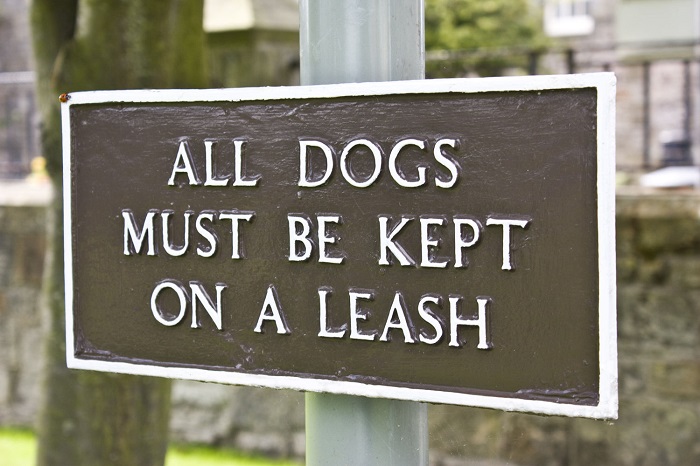
Animal control officers are capable and willing to issue civil tickets to dog owners starting at a fee of $50 and escalating with each additional violation. They are not criminal tickets and cannot be prosecuted by a judicial system.
Many apartment complexes are reluctant to discuss the problem because it might mar their reputation. However, Pearson said she has heard of some communities installing cameras to catch the violators and entice other residents to be watch dogs.
“We do not encourage individuals to confront people because of the possibility of a confrontation escalating to physical violence,” Pearson said. “If this is an issue at an apartment complex, yes, please contact management and let them know it’s an issue. Animal control officers have witnessed people arguing over this issue.”
A FEW MORE STORIES FOR DOG LOVERS:
A Place Where Old Dogs Can Learn New Tricks—Barley’s Canine Recreation Center
Introducing A New Puppy to an Older Dog
Avoiding the Doghouse During Holiday Travels
What Are You Feeding Your Dog?