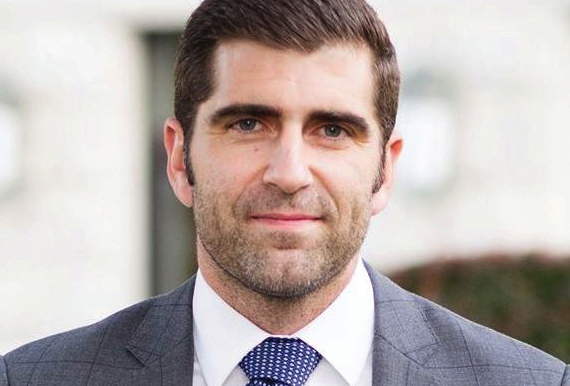

If you want to get a glimpse into the personality and drive of new Sandy City Mayor, Kurt Bradburn, read some of his campaign materials and Website. They might leave you in stitches, frustrated, or in disbelief. Claiming former long-term Mayor, Tom Dolan, became so complacent and feeling untouchable he “frequently fell asleep or yelled at residents during public meetings.”
This accusation was included in a side-by-side comparison at , in which he contrasts his perceived views of Dolan’s problems to his solutions. The list contains about a dozen points outlining and criticizing Dolan’s positions, actions, and behavior during his 24-year tenure as the city’s mayor before his surprising defeat in November to the newbie politician, whose views are drastically different from Dolan’s, to say the least.
Apparently, with Dolan’s stunning loss to the political neophyte, Sandy residents were hungry for new blood and changes.
Monica Zoltanski, who worked with Bradburn to defeat the controversial paving of a portion of the Dimple Dell Regional Park in southeastern Salt Lake County last year [read the story in the November edition of “Utah Stories”], believes that Dolan was well intentioned but out of touch with what residents wanted.
“ Ultimately, the Dimple Dell issue had a bigger impact in the election than anyone could have expected,” she said. “Contrasted with Kurt Bradburn’s platform of openness, protecting our shrinking open space, and slowing the rampant pace of development, the voters had a clear choice and came out strong for Bradburn. We look forward to restoring a balance of preservation and sensible growth to keep Sandy true to its community roots and not build a second downtown.”
A graduate of Brigham Young University who attended Ohio State for his law degree, the 35-year-old was an assistant attorney general for the Utah Tax Commission and a lawyer with the state’s Human Relations Division, working on sexual harassment, equal pay, and other employment-related issues before turning to politics.
Vowing to come through with his campaign promises, his slogan was: Simpler. Smarter. Stronger.
Some of his first priorities are controlling growth, slashing spending ,and increasing transparency in this city named in 2017 by Money Magazine as one of the top 100 U.S. cities to live. But he knows the city has a challenging and unpredictable future.
Fed up by the status quo and what he saw as Dolan’s wasteful spending and what some residents questioned as a “good-old-boy” network with backroom deals, he entered the race to improve the future for Sandy and its 93,170 residents.
Now, it is time to move forward, Bradburn says. In addition to pushing for term limits, Bradburn wants to reduce staff bonuses, eliminate a “slush fund” for such things as golf tournaments, lunches, travel, and office parties; and not take hefty pay raises, as Dolan increased his salary 22 percent over the past five years. As of publication, Dolan refused to answer questions from Utah Stories about his almost quarter century as Sandy’s leading man.
Bradburn gives kudos to Dolan for helping Sandy grow immensely and putting the once much sleepier suburb on the map. “I am taking over a well-managed city,” he said.
But he still is a strong proponent of term limits and intends to serve no longer than three, totaling 12 years.
“There’s always room for improvement, and after 24 years, you get comfortable and need a fresh pair of eyes from the outside,” he said. “We don’t want to lose people, but maintain our population base and make the system more accessible to citizens’ input.”
Bradburn’s Campaign Platform and Beliefs
– will propose term limits for Sandy government
– opposed paving Dimple Dell Regional Park from the beginning
– will block construction of the trash burning facility, and will pursue actual green energy initiatives that improve our air quality
– will refuse all campaign contributions from any company doing business with the city
– will be transparent about tax increases
– will eliminate all bonuses for the Mayor’s Office and appointees, and will give the money to front-line workers who deserve it more. Will increase funding for our police and fire departments to increase salaries and hire more first-responders
– will give all residents a voice and encourage active citizen participation
– will appoint all new planning commission members from diverse backgrounds and areas of the city
– will freeze property taxes until all options are considered
– will eliminate the Mayor’s “slush fund” for entertainment and travel
– will require a 10 percent cut in non-essential budget items before any new spending projects can be considered
– will keep all money within the fund for which it was raised
– will eliminate salary increases for the Mayor’s Office