Handle/HSL Restaurants
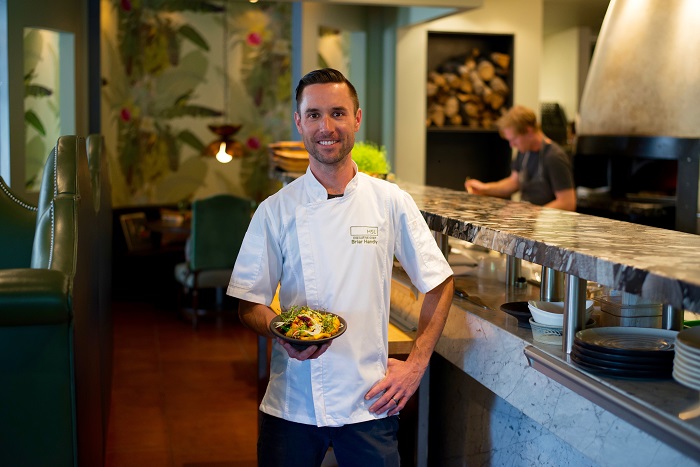
Owner and chef, Briar Handly of Handle in Park City, and its sister restaurant, HSL in Salt Lake City, grow as much produce as the Park City climate will allow. All offerings are organic and started from seeds. Each rendering of viable lettuce, kale, arugula, radish, beets, peppers, and herbs are incorporated in dishes at both restaurants, typically as a special.
Currently, HSL is offering a flatbread lunch special that includes radish, nasturtium, arugula, and Caputo’s buratta.
Tiburon
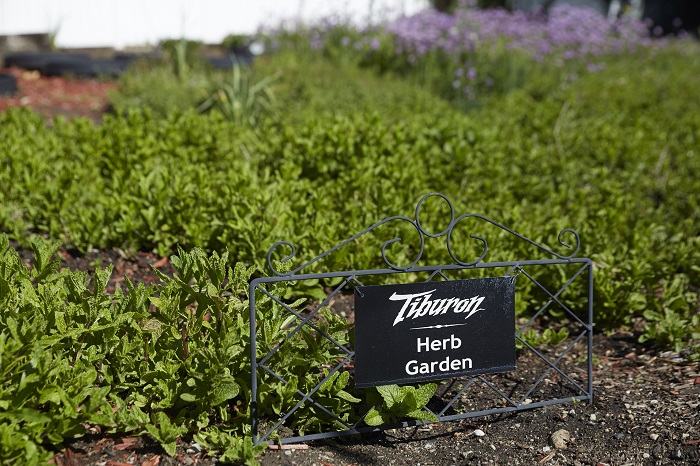
Owner and chef of Tiburon, Ken Rose, has five large garden beds behind the restaurant Consisting of peppers, tomatoes, eggplant, zucchini, carrots, and beets; and one just for herbs. Rose enjoys finding creative ways to utilize the produce, while taking care to maintain customer favorites, like the Tiburon butter that includes bell peppers.
Tomatoes are used in a few dishes throughout the year. They are house dried and used in the Tiburon salad, seasonal Caprese, and a summer fish special finished with an heirloom tomato and basil sauce.
Eggplant and zucchini are used as the fresh grilled, seasonal vegetables that are served with all entrees.
Tiburon’s garden has been certified by the National Wildlife Federation as an organic ecosystem garden that provides food, water, shelter, and a place where birds can raise their young. Rose has provided an owl nesting box with this intent.
Provisions
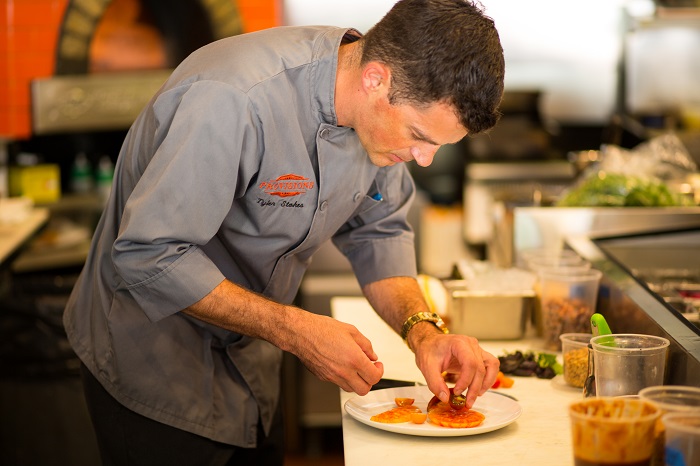
Tyler Stokes, owner and head chef at Provisions, is a firm supporter of local ingredients. He says, “First of all, I can know the suppliers face to face, see their products. I also know that local is what my customers want. The most important thing is the flavor. The sooner we use it the better. I am boosting local economy and keeping more money in Utah. It is about ethics, sustainability, flavor, and story.”
Provisions sources vegetables from Keep it Real Vegetables, greens and herbs from Frog Bench Farms, pork from Ballard Hog Farm in Cache County, and cheese from Gold Creek Farms and Beehive Cheese. Stokes also gets micro-greens from Vertical Gardens.
Log Haven
David Jones, head chef at Log Haven, uses local products and produce as much as possible, though he says, “Unfortunately, a lot of suppliers have gone out of business.”
They source honey from Slide Ridge Honey, cheese from Gold Creek Farms and Beehive Cheese, chiles from Firebird Chile Co., mushrooms from Mountain View Mushrooms, salt from Redmond Salt, meats from Creminelli Fine Meats, and produce from Heirlooms & More: Wardon Produce in Richfield. Jones says they only use suppliers that are USDA certified, guaranteeing good agricultural and handling practices.
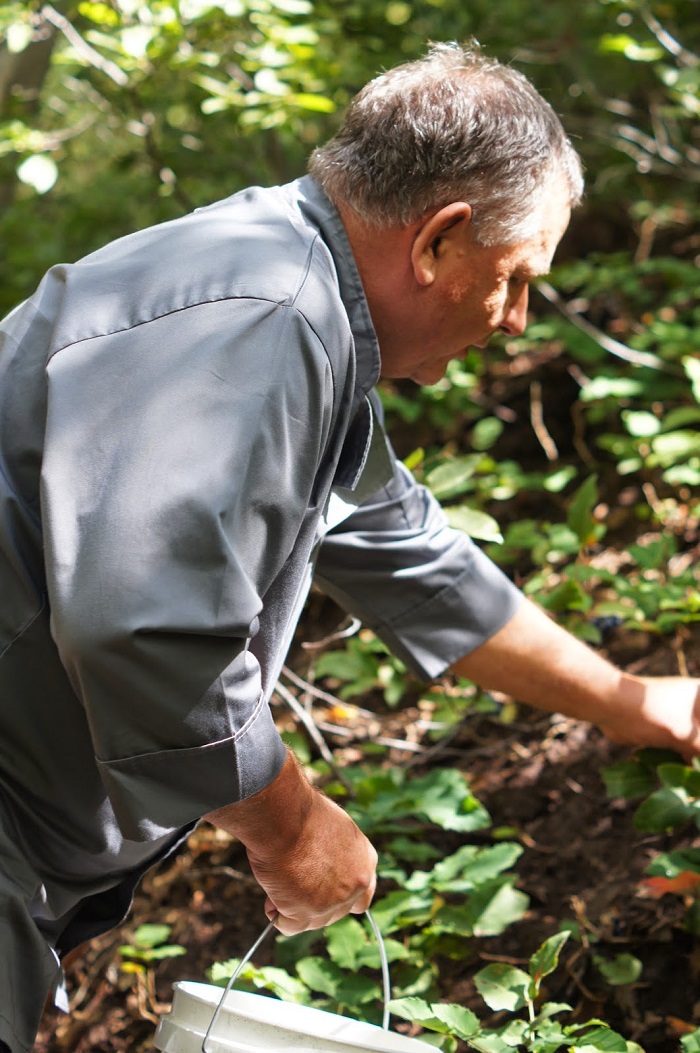
Besides buying from local companies, Jones uses forage from the canyon in the form of elderberries, Oregon grapes, and chokecherries.
Copper Kitchen
“Our reasons for sourcing locally are simple. Our success starts locally, being immediately supported by our neighbors and community. We have always felt strongly about, not just using, but showcasing the talents and high standards that our local purveyors put into their products. As our menu changes seasonally, it is always rewarding and fun to lean on the products that represent Utah and our neighbors,” says Clint Hollingsworth, Service Director for Copper Kitchen.
He uses several local specialty suppliers:
-Caputo’s Market: house-made burrata cheese
-Clifford Farms: farm-fresh eggs
-M&M Farms: local produce
-La Barba: locally roasted coffee
-Creminelli Fine Meats: cured meats & salami
-Blue Sky Perennials: local micro greens
-Honeycomb Bakery: croissants
-Lopez Firewood: locally sourced wood for our wood-fired grill
Caffe Molise
Fred Moe, owner of Caffe Molise, says, “Whenever available, we source local products from our mainline purveyors, primarily Muir Copper Canyon Farms and US Foods.
Additionally, we have a small plot in town and grow some of our own tomatoes, eggplants, fresh herbs, and microgreens. And finally, years ago we developed a partnership with Parker Produce out of Clinton, Utah, who grows our tomatoes, eggplants, herbs, bell peppers, and melons.
And, since he’s well-connected in the farming community, he also finds us local onions and other locally-available produce.”