Online Exclusives

Development Threatens Bonanza Flat

With a June 15 deadline looming Utah Open Lands and a coalition of other organizations hope to purchase Bonanza Flats Wilderness to preserve and protect it.

|


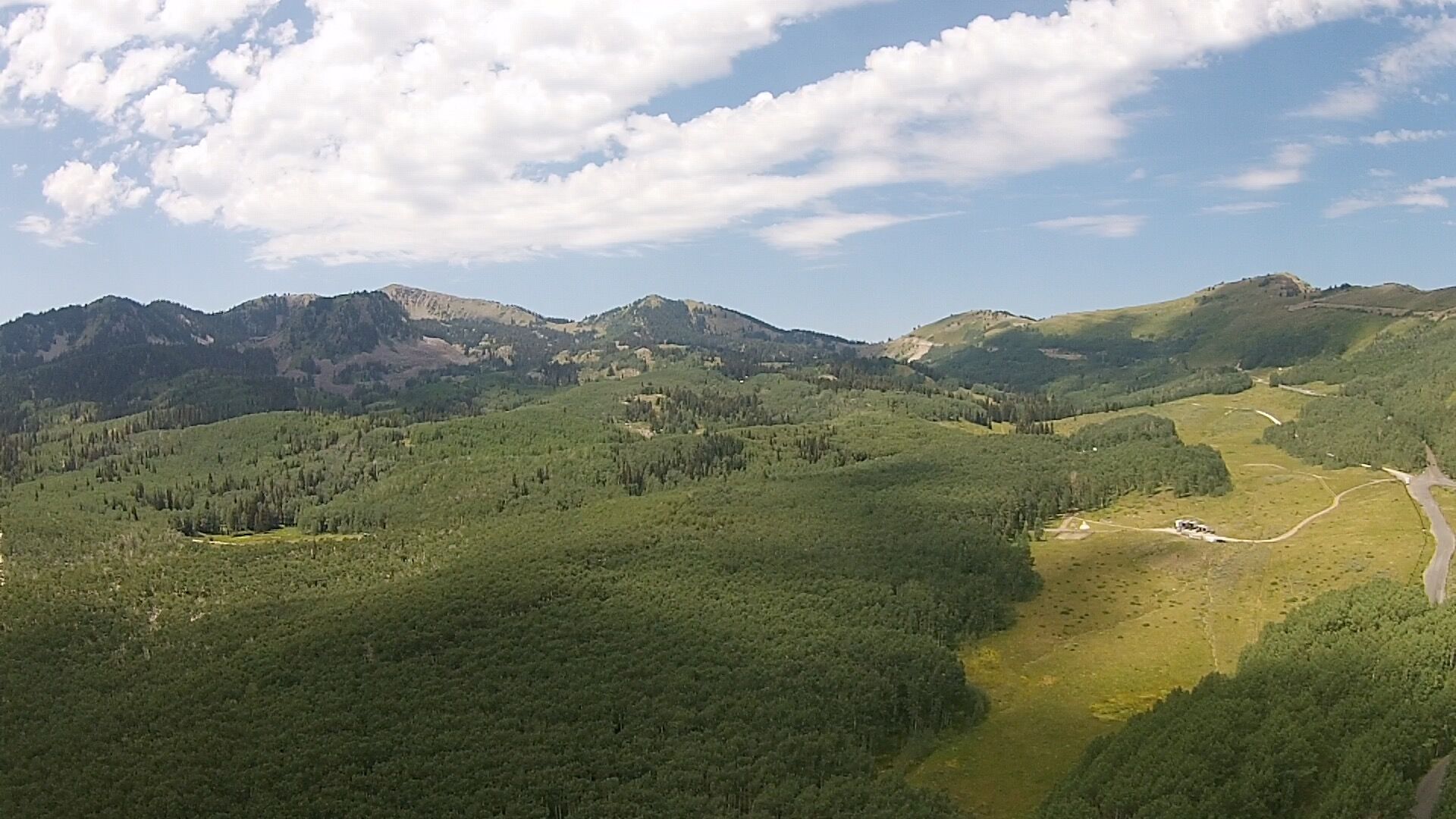
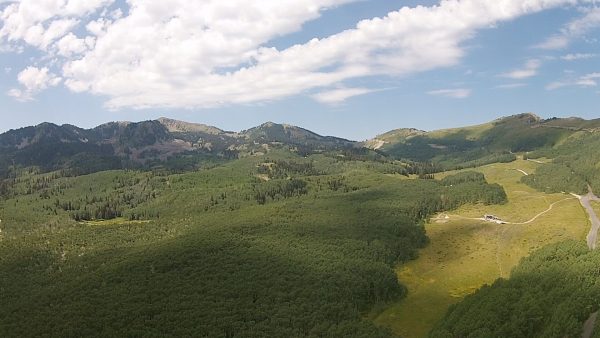
Bonanza Flat has been called the heart of the Wasatch. It is the apex of three different counties; Salt Lake, Wasatch and Summit, and almost touches Utah County. Situated at the top of Guardsman Pass as it drops over to the Wasatch Back, it is 1350 acres of aspen and conifer forest dotted with several alpine lakes including Bloods Lake. Wendy Fisher, Executive Director of Utah Open Lands explains, “We all live in the desert and to have these alpine lakes within a 45 minute drive from downtown Salt Lake City is stunning.”

But this wilderness is in danger. The land has been privately held, but used by Wasatch Front and Wasatch Back residents for recreation for years. Bonanza Flat is the gateway to many trails such as the Wasatch Crest Trail.

Last year when rumors erupted that it could become available and be sold to developers, Park City met with Wells Fargo Bank to discuss the possibility of preservation.

Park City passed a $25 million bond in November to be able to purchase and preserve the space. When the bond passed Wells Fargo was already negotiating with a developer. Wells Fargo agreed to a March 15 deadline to give Park City and Utah Open Lands time to raise enough “good faith” money.

Even with the bond another $13 million needed to be raised.  Utah Open Lands reached out to a number of local organizations who would be concerned with development at Bonanza Flat. Park City wanted to see “substantial interest” before turning over the first payments of $1.5 million from the $25 million bond. The funds were nonrefundable and would be lost if the rest of the money wasn’t obtained.

The group was able to raise $9.5 million from a coalition of private and government agencies. Salt Lake City and Sandy added money to help protect the watershed that feeds indirectly into metropolitan water districts. With donations coming in Park City felt good about releasing more of the bond money and the final deadline to full funds was extended to June 15.

If Utah Open Lands is successful Bonanza Flat will be preserved as a conservation easement and will remain undeveloped permanently. Fisher says they are working on resource inventory and a management plan with Park City, “We are looking at long term management in what is forever to remain a clean, beautiful, protected habitat. It is critical as we grow as a population to plan for improvement for recreation along with restrictions. It is a balancing act we participate in as we manage these lands.”

Fisher believes that preservation is important to people living in surrounding areas, “Quality of life is preserved when we insure that we are protecting the very reason people move to this area. By that you insure the market.” Wasatch County officials said early on they had been in discussion about rights over $6 million in revenue that would result from development, but in the end they were supportive of preservation and ended up pledging $25,000.

Fisher is hopeful they will meet the $13 million goal by June 15. She feels it is critical to work with the public to raise the final dollars. “I have to be optimistic, but in 26 years of protecting lands I have never had to raise $13 million in such a time frame. So far we have been successful beyond our wildest imagination. Hopefully we’ll be able to close the gap.

Anyone interested in donating can do so at savebonanzaflats.org.

 

,


Join our newsletter.
Stay informed.


  • Left in a Box as a Baby: Trauma, Alcoholism, and Addiction

    A man abandoned as a baby builds a structured life in law enforcement, but unresolved trauma and alcoholism slowly begin to unravel it. His story raises a harder question about how change actually happens.


  • Cottonwood Heights Corruption Allegations: A Case That Never Reached a Courtroom

    A year ago, we here at Utah Stories recorded a podcast episode that we never published. We were revisiting corruption allegations from ten years ago. We decided not to publish the video, so it sat there on YouTube for nearly 12 months.

    Then somehow the video was published. How? We are not sure, but once it got out there, the comments came pouring in.

    Dozens of viewers, then hundreds, supported the video with their comments on our examination of allegations of police misconduct in Cottonwood Heights. The video recounts how the Police Department was reported by business owners as focusing enforcement on customers of the former Canyon Inn bar. These allegations did not result in a publicly documented, full investigation by Utah’s Justice Department nor the FBI (at least to our knowledge). So why rehash the past?

    We believe the story of The Canyon Inn (and other area business owners) vs. CHPD and Cottonwood Heights Mayor Kelvin Cullimore raises questions about what can happen when allegations surface and do not move forward through a formal legal process with state or federal oversight.

    In 2012, Cottonwood Heights business owners at the mouth of the canyons began publicly objecting to police activity whereby up to seven cruisers were pulling over 711 and Canyon Inn bar customers on their busiest evenings.

    According to those accounts, drivers leaving the bar were frequently pulled over by police and were given DUI tickets, sometimes even after passing a sobriety examination. The volume and concentration of those stops led residents and business owners to complain about the “heavy-handed treatment” of CHPD toward motorists, especially in and around the Canyon Inn and neighboring 711, and eventually the Porcupine Pub.

    Customers responded in predictable ways. Some chose not to return and avoid the area. Others went to different establishments. Over time, the owner of the Canyon Inn, Jim Stojack, stated that his revenue declined by 70% and that he believed police activity near his business was the main contributing factor.

    Utah Stories reported on these concerns by conducting interviews; gathering video documentation provided by those involved; and making public records requests. Through our GRAMA requests, we reviewed DUI citations issued by the Cottonwood Heights Police Department and examined how those cases were resolved in Holladay Justice Court. During that period, we observed a higher number based on our review of DUI cases dismissed in court due to lack of evidence compared to other jurisdictions. One DUI attorney, Tyler Ayers, went on record saying that CHPD was issuing a high volume of DUI citations that were later dismissed.

    That observation raised questions about how cases were being documented and prosecuted. It did not, on its own, establish intent or misconduct, but it became part of a broader set of concerns raised by multiple sources.

    Continue reading and support independent Utah journalism with a purchase of Utah Stories (Digital + Print) or 3 month free trial (Digital).


  • The Perfect Girls’ Day in Park City: Brunch, Shopping, Spas & Nightlife

    After a week of work, grocery shopping, meal prep, driving the kids around, housework and last minute emergencies, a day of bonding and fun with our BFF’s is just what the doctor ordered. Fortunately, one of the best getaways is just a short drive away to Park City.


  • The Stratos Project Was Already Approved. So Why the Public Meeting?

    Thousands showed up to protest. The decision may have already been made.

    When thousands of Box Elder County residents packed the fairgrounds to protest the proposed 40,000-acre Stratos data center, they thought they were confronting the people in charge.

    They weren’t.

    The county commissioners stood at the front of the room, absorbing the anger, the frustration, the disbelief. They looked like decision-makers. But by their own account, they weren’t.

    Because the decision may have already been made—long before the public ever showed up.

    The Illusion of Authority

    What happened at that meeting wasn’t civic engagement. It was something closer to theater.

    No meaningful public comment. No real debate. No clear path for residents to influence the outcome. Just a room full of people reacting to a project that, structurally, may already be locked in.

    Why?

    Because the real authority doesn’t sit with Box Elder County.

    It sits with the Utah Military Installation Development Authority.

    Once MIDA designates a project area, the rules change. Local zoning can become irrelevant. Private land stays private. Water rights remain private. And the role of local government shifts from decision-maker to facilitator.

    In plain terms: the county doesn’t decide if the project happens. It helps manage how it happens.

    So when residents showed up demanding answers, they were asking the wrong people.

    A Process That Skips the Public

    That should concern anyone paying attention.

    Because it flips the normal order of things. Instead of:

    Proposal → Public input → Decision

    We get:

    Decision → Public meeting → Reaction

    And by the time the public enters the room, the real levers of power have already been pulled.

    So what exactly was that meeting?

    If commissioners don’t have authority to stop the project, then the meeting wasn’t about deciding anything. It was about absorbing pressure. Managing optics. Creating the appearance of a process that had already moved on.

    That’s not transparency. That’s choreography.

    Follow the Missing Pieces