Behind Guillermo’s love of cooking is a work ethic that surpasses most. “I work six days a week. I wouldn’t have it any other way. I love working here. Cooking Italian food is what I do.”
When asked why he works so hard, he answers, “I do it to make my customers happy. Seeing people smile after eating my food makes it worth it.”
Guillermo does not cook for recognition or to make a name for himself. Rather, he cooks to make his patrons happy. As the success of Cucina Toscana shows, that appears to be exactly what he is doing.

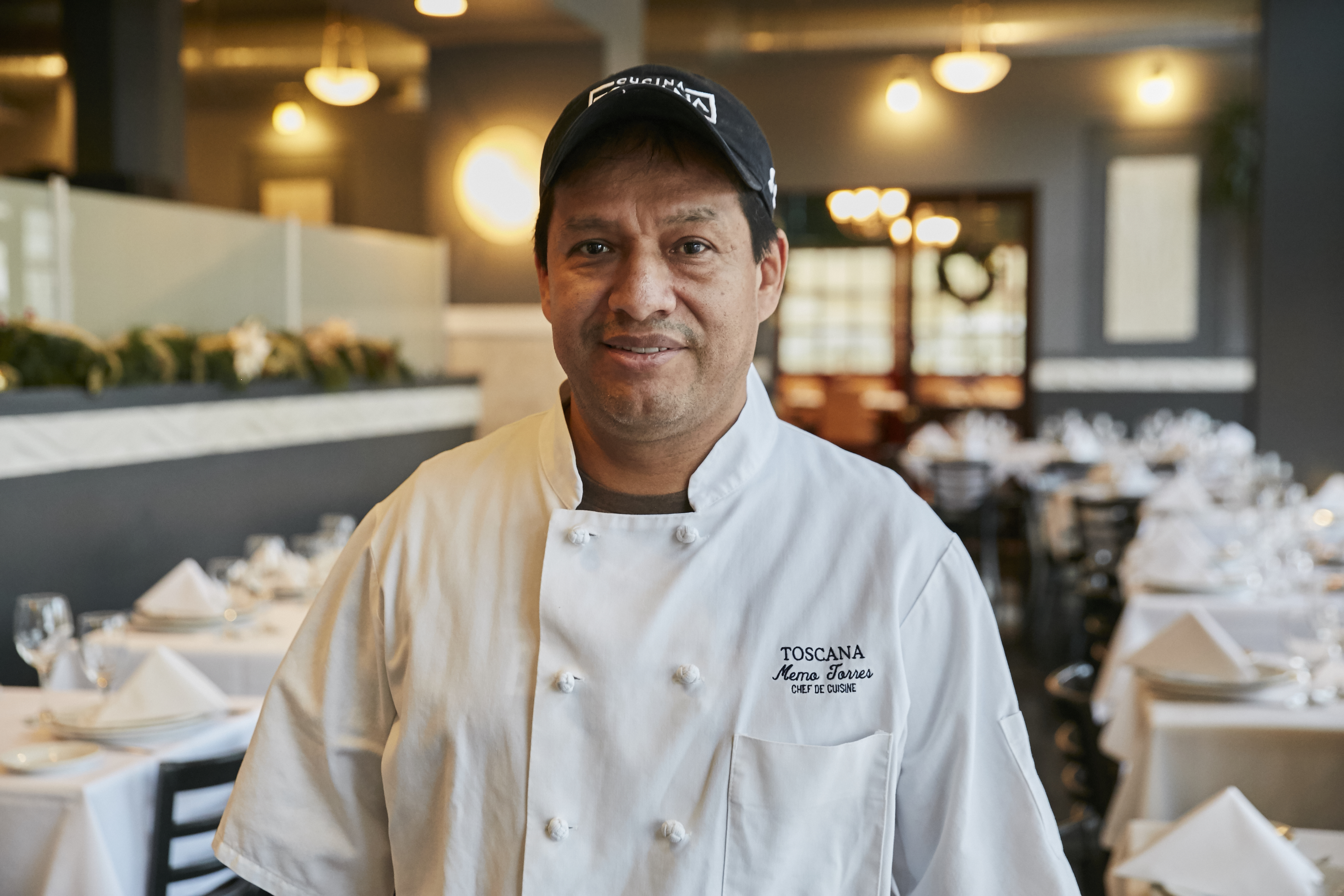
From the high pedestal Guillermo stands on now as the head chef at one of Salt Lake City’s finest Italian restaurants. Some might believe he studied at one of the best cooking schools, but in fact Guillermo, like many in his field, started at the very bottom
It all began in 1995. Guillermo Torres, originally from Guanajuato, Mexico, started working as a dishwasher at Al Forno Ristorante in Salt Lake City. Needing a second income, Guillermo also began working evenings at Il Sansovino for Valter Nassi, the well known Italian restaurateur and now owner of his Valter’s Osteria. While at Il Sansovino, Guillermo’s sole job was to make and cook pasta.
For two years, Guillermo continued working two jobs and learning everything Valter was willing to teach him. “I attribute my success to Valter. He taught me how to make authentic Italian food,” says Torres. In addition to teaching him the basics, Valter taught Guillermo how to create a memorable dish.
“One of the most important things I learned from Valter was to taste as you go. You need to learn when and how much of certain ingredients to add. The key is to use great ingredients and to incorporate the classic Italian ingredients like sage, basil, and rosemary,” Guillermo said.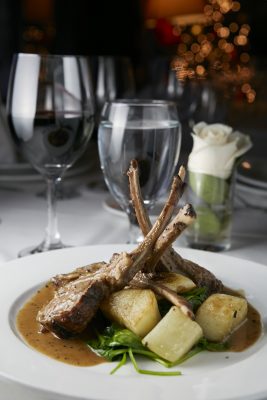
In 2002, Guillermo took what he learned at Il Sansovino and became head chef at Cucina Toscana. Guillermo always kept Valter in the back of his thoughts and continued with the same cooking methods and precision. “I still make sure every dish looks and tastes perfect. If it doesn’t, I send it back to have it made again.”
While he has mastered classic skills, he also enjoys putting his own spin on dishes, especially for nightly specials. The lamb rack, his favorite item, is marinated for three days in a puree of olive oil, garlic, parsley, and rosemary. The lamb is then roasted until perfectly cooked.
Another preferred dish of his is the chicken or seafood piccata. “The piccata sauce is what ties the dish together. It has capers, lemon juice, white wine and artichokes.” If pasta is more your food of choice, Guillermo makes a variety of homemade pasta dishes, such as la lasagna classica alla bolognese or homemade spinach and ricotta ravioli in butter, sage and tomato sauce.
Behind Guillermo’s love of cooking is a work ethic that surpasses most. “I work six days a week. I wouldn’t have it any other way. I love working here. Cooking Italian food is what I do.”
When asked why he works so hard, he answers, “I do it to make my customers happy. Seeing people smile after eating my food makes it worth it.”
Guillermo does not cook for recognition or to make a name for himself. Rather, he cooks to make his patrons happy. As the success of Cucina Toscana shows, that appears to be exactly what he is doing.